
 EN
EN
Original Equipment Manufacturers (OEMs) across industries increasingly recognize the strategic value of partnering with specialized water treatment manufacturers to enhance their product offerings and expand market reach. These collaborations enable OEMs to integrate advanced water purification technologies into their systems without investing heavily in research, development, and manufacturing infrastructure. By leveraging the expertise of established water treatment manufacturers, OEMs can deliver comprehensive solutions that meet stringent quality standards while maintaining competitive pricing and faster time-to-market advantages.
The partnership between OEMs and water treatment manufacturers creates a synergistic relationship where both parties capitalize on their core competencies to deliver superior products to end customers. This collaboration model has become particularly valuable in industries such as pharmaceuticals, food processing, electronics manufacturing, and healthcare equipment, where water quality directly impacts product performance and regulatory compliance. Understanding the specific benefits and implementation strategies of such partnerships enables OEMs to make informed decisions about their supply chain optimization and product development roadmap.
Strategic Advantages of Water Treatment Manufacturing Partnerships
Access to Specialized Technical Expertise
Collaborating with a water treatment manufacturer provides OEMs immediate access to decades of accumulated expertise in water purification technologies, membrane science, and filtration engineering. These specialized manufacturers possess deep knowledge of various treatment methodologies including reverse osmosis, ultrafiltration, ion exchange, and advanced oxidation processes. This expertise enables OEMs to integrate sophisticated water treatment capabilities into their products without requiring internal development of such specialized knowledge.
The technical expertise extends beyond basic water purification to include understanding of water chemistry, contaminant identification, and treatment system optimization for specific applications. Water treatment manufacturers continuously invest in research and development to stay current with emerging contaminants, regulatory requirements, and technological advances. This ongoing innovation ensures that OEM partners benefit from cutting-edge solutions that maintain competitive advantages in their respective markets.
Regulatory Compliance and Quality Assurance
Water treatment manufacturers maintain comprehensive understanding of regulatory requirements across multiple jurisdictions and industries, including FDA guidelines for pharmaceutical applications, NSF standards for drinking water systems, and ISO certifications for various industrial processes. This regulatory expertise helps OEMs ensure their integrated systems meet all applicable standards without investing significant resources in compliance research and documentation.
Quality assurance protocols established by experienced water treatment manufacturers include rigorous testing procedures, documentation systems, and traceability requirements that support OEM quality management systems. These established processes help OEMs maintain consistent product quality while reducing the risk of regulatory non-compliance that could result in costly recalls or market access restrictions.
Economic Benefits and Cost Optimization
Reduced Capital Investment Requirements
Partnership with a water treatment manufacturer eliminates the need for OEMs to establish dedicated manufacturing facilities, purchase specialized equipment, or hire technical personnel for water treatment component production. This approach significantly reduces capital expenditure requirements while enabling OEMs to allocate resources toward their core competencies and primary product development initiatives.
The cost savings extend beyond initial capital investment to include ongoing operational expenses such as equipment maintenance, facility overhead, and specialized personnel training. By leveraging the existing infrastructure and expertise of established water treatment manufacturers, OEMs can achieve economies of scale that would be difficult to realize through internal production, particularly for lower-volume specialty applications.
Enhanced Profit Margins Through Value Engineering
Experienced water treatment manufacturers bring value engineering capabilities that help optimize component specifications, material selection, and manufacturing processes to achieve target performance levels at optimal cost points. This collaboration enables OEMs to offer competitive pricing while maintaining healthy profit margins through efficient design and manufacturing approaches.
Value engineering collaboration often reveals opportunities for product differentiation through innovative features or enhanced performance characteristics that justify premium pricing in the marketplace. The combined expertise of OEM product knowledge and water treatment manufacturer technical capabilities frequently results in breakthrough products that establish new market segments or capture additional market share from competitors.
Market Expansion and Competitive Positioning
Accelerated Time-to-Market Advantages
Collaboration with established water treatment manufacturers significantly reduces product development cycles by leveraging proven technologies and manufacturing processes. Rather than developing water treatment capabilities from scratch, OEMs can integrate existing solutions and focus development efforts on system integration and application-specific optimization. This acceleration enables faster response to market opportunities and competitive threats.
The reduced development timeline also enables OEMs to capitalize on emerging market trends and regulatory changes more rapidly than competitors who rely solely on internal development capabilities. Quick market entry with proven water treatment technology provides first-mover advantages in new applications or geographic markets where water quality requirements create demand for integrated solutions.
Enhanced Product Portfolio Differentiation
Integration of advanced water treatment capabilities enables OEMs to differentiate their product offerings from competitors who provide basic equipment without comprehensive water quality solutions. This differentiation is particularly valuable in markets where water quality directly impacts equipment performance, product quality, or regulatory compliance requirements.
The enhanced product portfolio often enables OEMs to target higher-value market segments and justify premium pricing through superior performance characteristics. Additionally, comprehensive water treatment integration can create customer lock-in effects through proprietary consumables, maintenance services, and system optimization capabilities that generate recurring revenue streams beyond initial equipment sales.
Technical Integration and Innovation Opportunities
Customized Solution Development
Water treatment manufacturers possess the flexibility and expertise to develop customized solutions that address specific OEM application requirements and performance criteria. This customization capability enables OEMs to optimize their products for particular market segments, geographic regions, or regulatory environments without compromising overall product design integrity.
Customized development often involves collaborative engineering processes where water treatment manufacturer expertise combines with OEM application knowledge to create innovative solutions that neither party could develop independently. These collaborative innovations frequently result in intellectual property opportunities and competitive advantages that benefit both partners through exclusive licensing arrangements or joint patent ownership.
Advanced Monitoring and Control Integration
Modern water treatment manufacturers offer sophisticated monitoring and control technologies that can be seamlessly integrated into OEM equipment platforms. These capabilities include real-time water quality monitoring, predictive maintenance algorithms, and remote diagnostic systems that enhance overall product value and customer satisfaction.
Integration of advanced monitoring capabilities enables OEMs to offer value-added services such as remote monitoring, performance optimization, and preventive maintenance programs that generate recurring revenue and strengthen customer relationships. The data generated through these monitoring systems also provides valuable insights for product improvement and market development initiatives.
Risk Mitigation and Supply Chain Optimization
Supply Chain Reliability and Scalability
Established water treatment manufacturers maintain robust supply chains with multiple supplier relationships, inventory management systems, and quality control processes that provide OEMs with reliable component availability and consistent quality. This supply chain stability reduces the risk of production delays and quality issues that could impact OEM customer relationships and market reputation.
The scalability of established water treatment manufacturer operations enables OEMs to respond to market demand fluctuations without requiring significant internal capacity investments. This flexibility is particularly valuable for OEMs serving markets with seasonal demand patterns or experiencing rapid growth that would strain internal manufacturing capabilities.
Technology Risk Diversification
Partnership with water treatment manufacturers provides OEMs access to diverse technology platforms and treatment methodologies, reducing dependence on single-technology solutions that may become obsolete or face regulatory challenges. This technology diversification enables OEMs to adapt quickly to changing market requirements or regulatory standards without significant internal research and development investments.
The continuous innovation efforts of water treatment manufacturers ensure that OEM partners have access to emerging technologies and treatment approaches as they become commercially viable. This ongoing technology access helps OEMs maintain competitive positioning and avoid the risk of market disruption from breakthrough innovations developed by competitors or new market entrants.
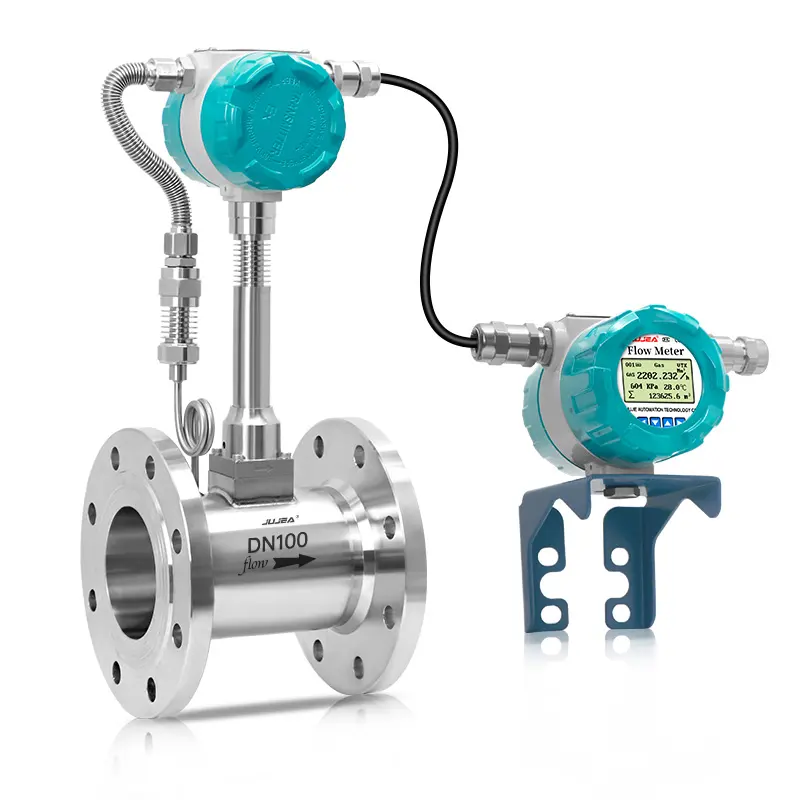
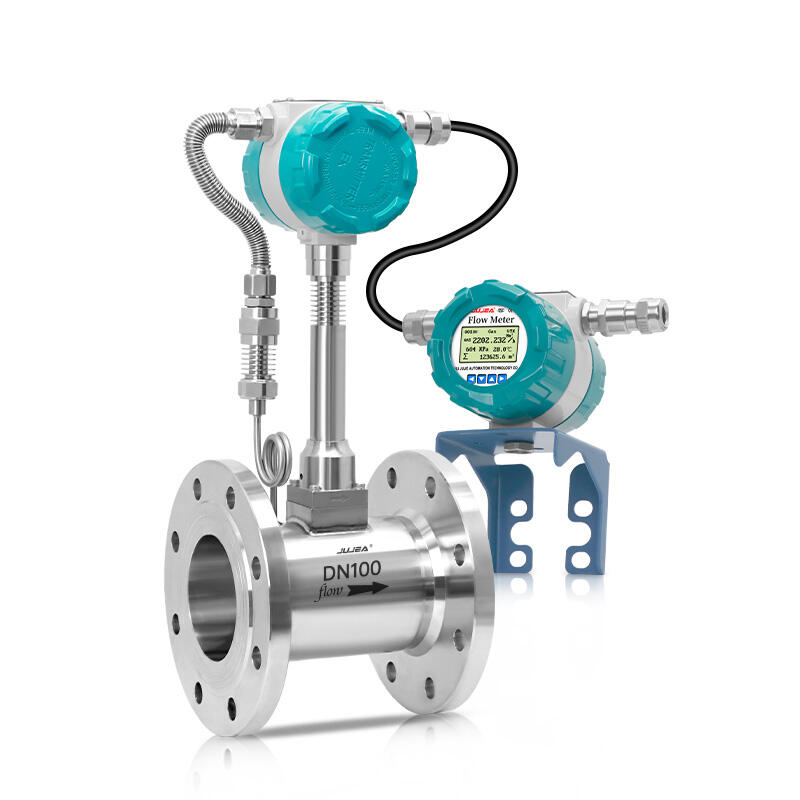
Partner with Jujie Company to enhance your OEM solutions. We provide certified flow meters and sensors with reliable quality and flexible customization—send your inquiry today.
FAQ
What are the primary selection criteria when choosing a water treatment manufacturer partner?
Key selection criteria include technical expertise relevant to your specific applications, regulatory compliance track record, manufacturing capacity and scalability, quality management systems, intellectual property policies, and cultural compatibility for collaborative development projects. Additionally, evaluate their customer support capabilities, geographic presence, and financial stability to ensure long-term partnership viability.
How can OEMs protect their intellectual property when collaborating with water treatment manufacturers?
Intellectual property protection requires comprehensive legal agreements that clearly define ownership rights for existing and jointly developed technologies, establish confidentiality requirements, and specify licensing terms for any shared innovations. Consider implementing separate development agreements for proprietary projects and ensure that your water treatment manufacturer partner has established IP protection policies and procedures.
What level of customization can typically be achieved through water treatment manufacturer partnerships?
Customization levels vary significantly depending on the water treatment manufacturer capabilities and partnership structure, ranging from basic parameter adjustments to complete custom solution development. Most established manufacturers can accommodate modifications to filtration specifications, system configurations, monitoring capabilities, and integration interfaces while maintaining cost-effectiveness and reliable supply chain support.
How do OEMs typically structure pricing agreements with water treatment manufacturers?
Pricing structures commonly include volume-based tiering, long-term supply agreements with price protection clauses, and development cost sharing arrangements for custom solutions. Many successful partnerships incorporate performance-based pricing models that align water treatment manufacturer incentives with OEM success metrics such as system reliability, customer satisfaction, or market share growth in target applications.
Table of Contents
- Strategic Advantages of Water Treatment Manufacturing Partnerships
- Economic Benefits and Cost Optimization
- Market Expansion and Competitive Positioning
- Technical Integration and Innovation Opportunities
- Risk Mitigation and Supply Chain Optimization
-
FAQ
- What are the primary selection criteria when choosing a water treatment manufacturer partner?
- How can OEMs protect their intellectual property when collaborating with water treatment manufacturers?
- What level of customization can typically be achieved through water treatment manufacturer partnerships?
- How do OEMs typically structure pricing agreements with water treatment manufacturers?