
 EN
EN
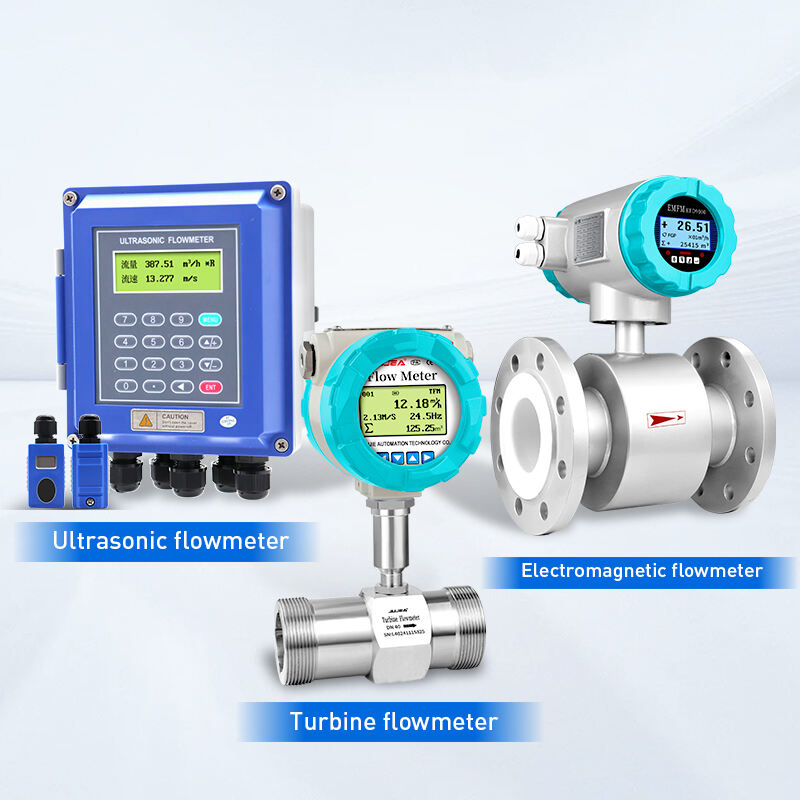
Industrial water treatment facilities demand precise measurement technologies to ensure compliance with stringent environmental regulations and operational efficiency standards. Modern liquid flow meter manufacturers have revolutionized the industry by developing advanced metering solutions that address the complex challenges of water treatment processes. These specialized measurement devices play a critical role in monitoring, controlling, and optimizing water flow throughout various treatment stages, from initial intake to final discharge.
The water treatment industry operates under increasingly strict regulatory frameworks that require accurate flow measurement and documentation. Leading liquid flow meter manufacturers understand these requirements and have invested heavily in research and development to create solutions that exceed industry standards. Their products must withstand harsh chemical environments, extreme temperatures, and varying pressure conditions while maintaining exceptional accuracy and reliability over extended operational periods.
Regulatory Compliance Requirements for Water Treatment Facilities
Environmental Protection Standards
Water treatment facilities must comply with comprehensive environmental protection regulations that govern discharge limits, quality parameters, and monitoring requirements. Liquid flow meter manufacturers design their products to meet these stringent standards by incorporating advanced sensing technologies and certified accuracy levels. These meters must provide consistent performance under varying operational conditions while maintaining traceability to national measurement standards.
The Environmental Protection Agency and similar international bodies require continuous monitoring of flow rates at critical control points throughout treatment processes. Modern flow measurement systems from reputable manufacturers include built-in diagnostics, data logging capabilities, and communication interfaces that facilitate regulatory reporting and compliance documentation. These features ensure that water treatment facilities can demonstrate adherence to environmental standards through accurate, verifiable flow data.
Quality Assurance Protocols
Industrial water treatment standards mandate rigorous quality assurance protocols that extend to all measurement instrumentation. Liquid flow meter manufacturers implement comprehensive quality management systems that encompass design, manufacturing, testing, and calibration processes. These protocols ensure that every meter meets specified accuracy requirements and maintains consistent performance throughout its operational lifecycle.
Certification processes require extensive testing under simulated operating conditions, including exposure to various chemicals, temperature cycles, and pressure variations. Manufacturers maintain detailed documentation of these tests, providing water treatment facilities with the necessary evidence to demonstrate compliance with regulatory requirements. This documentation includes calibration certificates, performance specifications, and long-term stability data that support facility audits and inspections.
Advanced Technologies in Modern Flow Measurement Systems
Electromagnetic Flow Measurement Technology
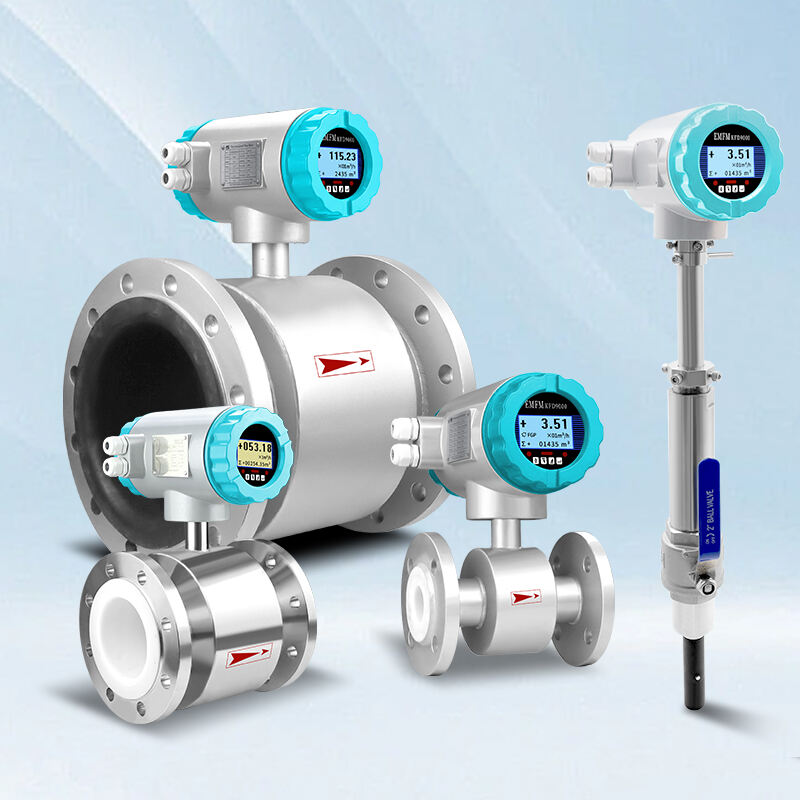
Electromagnetic flow meters have become the preferred choice for many water treatment applications due to their exceptional accuracy and minimal maintenance requirements. Liquid Flow Meter Manufacturers have refined this technology to provide superior performance in challenging water treatment environments. These meters utilize Faraday's law of electromagnetic induction to measure flow without any moving parts, eliminating wear and reducing maintenance costs.
The technology offers significant advantages in water treatment applications, including immunity to changes in fluid density, viscosity, and temperature. Modern electromagnetic flow meters feature advanced signal processing algorithms that compensate for electrical conductivity variations and provide stable measurements even in low-conductivity water conditions. This reliability makes them ideal for monitoring treated water discharge and recycled water systems.
Ultrasonic Flow Measurement Innovation
Ultrasonic flow measurement technology has evolved significantly, with liquid flow meter manufacturers developing both transit-time and Doppler-based systems for different water treatment applications. Transit-time ultrasonic meters excel in clean water applications, providing high accuracy measurements without pipe intrusion. These systems are particularly valuable for monitoring large diameter pipelines and temporary installations where pipe modification is not feasible.
Doppler ultrasonic meters serve applications involving water with suspended particles or bubbles, making them suitable for raw water intake monitoring and sludge processing applications. Advanced signal processing techniques allow these meters to distinguish between flow signals and noise, ensuring reliable measurements in challenging conditions. The non-intrusive nature of ultrasonic technology simplifies installation and reduces system downtime during meter implementation.
Manufacturing Excellence and Quality Control Processes
Precision Manufacturing Techniques
Leading liquid flow meter manufacturers employ state-of-the-art manufacturing processes that ensure consistent product quality and performance. Automated production lines utilize precision machining, advanced welding techniques, and computer-controlled assembly processes to minimize variations and maintain tight tolerances. These manufacturing capabilities are essential for producing meters that meet the demanding accuracy requirements of water treatment applications.
Quality control systems incorporate statistical process control methods, automated testing procedures, and comprehensive inspection protocols at every production stage. Each meter undergoes rigorous testing including flow calibration, pressure testing, electrical safety verification, and environmental conditioning. This systematic approach ensures that every product meets or exceeds specified performance criteria before shipment to water treatment facilities.
Calibration and Certification Standards
Calibration facilities operated by liquid flow meter manufacturers maintain traceability to national and international measurement standards through accredited reference systems. Primary flow standards provide the foundation for accurate calibration, while secondary standards enable routine verification and adjustment of production meters. These facilities undergo regular audits and participate in interlaboratory comparison programs to ensure measurement accuracy and reliability.
Certification processes follow internationally recognized standards such as ISO 9001 for quality management and specific flow measurement standards like ISO 4064 for water meters. These certifications provide water treatment facilities with confidence that their flow measurement systems will perform reliably and maintain accuracy over extended service periods. Regular recalibration services ensure continued compliance with regulatory requirements throughout the meter's operational life.
Application-Specific Solutions for Water Treatment Processes
Primary Treatment Flow Monitoring
Primary treatment processes require robust flow measurement solutions capable of handling raw water with high levels of suspended solids and debris. Liquid flow meter manufacturers have developed specialized meters with enlarged flow passages, self-cleaning mechanisms, and resistant materials to address these challenging conditions. These meters provide accurate flow measurement while minimizing maintenance requirements and operational disruptions.
Flow measurement in primary treatment applications often involves large diameter pipes and high flow rates, requiring meters with exceptional rangeability and low-pressure loss characteristics. Advanced signal processing algorithms compensate for the effects of entrained solids and provide stable measurements despite varying water quality conditions. Remote monitoring capabilities enable operators to track performance and identify potential issues before they impact treatment processes.
Secondary and Tertiary Treatment Applications
Secondary and tertiary treatment processes demand precise flow control for optimal chemical dosing, biological treatment, and filtration efficiency. Flow meters in these applications must provide high accuracy across wide flow ranges while maintaining stability under varying process conditions. Liquid flow meter manufacturers design specialized solutions that integrate seamlessly with process control systems and provide real-time feedback for automated control loops.
Advanced treatment processes such as membrane filtration and reverse osmosis require flow meters with exceptional accuracy and repeatability to ensure proper system operation. These applications often involve varying pressure conditions and temperature fluctuations that can affect measurement accuracy. Manufacturers address these challenges through advanced compensation algorithms and temperature-resistant materials that maintain performance under demanding operating conditions.
Digital Integration and Smart Technology Features
IoT Connectivity and Remote Monitoring
Modern water treatment facilities increasingly rely on digital technologies for operational efficiency and regulatory compliance. Liquid flow meter manufacturers have embraced Internet of Things connectivity, incorporating wireless communication capabilities, cloud-based data storage, and remote monitoring features into their products. These smart meters provide real-time flow data, diagnostic information, and predictive maintenance alerts that enhance facility operations.
Remote monitoring capabilities enable facility operators to track flow conditions from centralized control rooms or mobile devices, improving response times and reducing operational costs. Advanced analytics software processes flow data to identify trends, detect anomalies, and optimize treatment processes. This digital integration supports compliance reporting by automatically generating required documentation and maintaining comprehensive flow measurement records.
Advanced Data Analytics and Predictive Maintenance
Sophisticated data analytics platforms developed by liquid flow meter manufacturers provide valuable insights into system performance and maintenance requirements. Machine learning algorithms analyze historical flow data, environmental conditions, and operational parameters to predict potential issues before they occur. This predictive approach minimizes unplanned downtime and extends equipment service life while ensuring continued compliance with regulatory requirements.
Diagnostic capabilities built into modern flow meters monitor system health indicators such as signal strength, electrode condition, and measurement stability. These features provide early warning of potential problems and guide maintenance activities to prevent measurement errors or system failures. Comprehensive diagnostic data supports condition-based maintenance strategies that optimize resource utilization while maintaining measurement accuracy and reliability.
Environmental Considerations and Sustainability
Energy-Efficient Design Principles
Sustainability considerations have become increasingly important in water treatment facility operations, driving liquid flow meter manufacturers to develop energy-efficient measurement solutions. Low-power electronics, optimized sensor designs, and intelligent power management systems reduce energy consumption while maintaining measurement accuracy. These features contribute to overall facility sustainability goals and reduce operational costs over the meter's service life.
Solar-powered and battery-operated flow meters provide measurement capabilities in remote locations or temporary installations without requiring electrical infrastructure. Advanced power management systems automatically adjust operating modes based on measurement requirements and available power sources. These energy-efficient solutions support environmental stewardship while providing reliable flow measurement in challenging deployment scenarios.
Material Selection and Environmental Compatibility
Environmental compatibility is a critical consideration in flow meter design, with manufacturers selecting materials that minimize environmental impact while providing long-term durability. Corrosion-resistant alloys, advanced polymer compounds, and protective coatings ensure extended service life in aggressive water treatment environments. These material choices reduce replacement frequency and minimize waste generation throughout the meter's operational lifecycle.
Recycling programs implemented by liquid flow meter manufacturers support circular economy principles by recovering valuable materials from end-of-life meters. Design for disassembly principles facilitate material recovery and reduce disposal costs for water treatment facilities. These sustainability initiatives demonstrate manufacturer commitment to environmental responsibility while providing economic benefits to facility operators.
Future Trends and Technological Developments
Artificial Intelligence Integration
Artificial intelligence technologies are beginning to transform flow measurement applications in water treatment facilities. Liquid flow meter manufacturers are developing AI-powered systems that automatically optimize measurement parameters, detect measurement anomalies, and adapt to changing process conditions. These intelligent systems promise to improve measurement accuracy while reducing maintenance requirements and operational complexity.
Machine learning algorithms trained on extensive operational data can identify subtle patterns that indicate potential problems or optimization opportunities. These AI systems continuously learn from operating experience, improving their predictive capabilities and providing increasingly valuable insights to facility operators. The integration of AI technology represents a significant advancement in flow measurement capability and operational efficiency.
Enhanced Communication Protocols
Next-generation communication protocols being developed by liquid flow meter manufacturers will enable seamless integration with advanced process control systems and enterprise information networks. Enhanced cybersecurity features protect against potential threats while maintaining open communication capabilities. These protocols support standardized data formats and interoperability between different manufacturer systems.
Wireless mesh networking capabilities enable flexible installation configurations and redundant communication paths that improve system reliability. Advanced encryption and authentication mechanisms ensure data integrity and prevent unauthorized access to critical measurement systems. These communication enhancements support the evolution toward fully integrated smart water treatment facilities.
Partner with Jujie Company, a trusted liquid flow meter manufacturer with 10+ years of industrial automation expertise. Serving 160+ countries with 50,000+ customized solutions, we deliver certified, high-accuracy flow meters for water treatment and infrastructure applications. Visit www.jujea-tech.com to learn more.
FAQ
What accuracy levels do liquid flow meter manufacturers achieve for water treatment applications?
Leading liquid flow meter manufacturers typically achieve accuracy levels of ±0.2% to ±0.5% of reading for water treatment applications, depending on the specific technology and application requirements. Electromagnetic meters often provide the highest accuracy, while ultrasonic and other technologies may have slightly wider accuracy bands but still meet regulatory requirements. These accuracy specifications are maintained across the meter's specified flow range and operating conditions.
How do manufacturers ensure long-term reliability in harsh water treatment environments?
Manufacturers ensure long-term reliability through comprehensive material selection, robust design practices, and extensive environmental testing. Products undergo accelerated aging tests, chemical compatibility assessments, and thermal cycling to simulate years of operation in condensed timeframes. Additionally, manufacturers provide protective coatings, sealed electronics, and corrosion-resistant materials specifically chosen for water treatment applications. Regular calibration services and predictive maintenance capabilities further enhance long-term reliability.
What communication protocols do modern flow meters support for integration with treatment facility systems?
Modern flow meters from leading manufacturers support multiple communication protocols including Modbus RTU/TCP, HART, Profibus, Foundation Fieldbus, and Ethernet/IP. Many meters also incorporate wireless capabilities such as LoRaWAN, cellular, and Wi-Fi connectivity for remote monitoring applications. These diverse communication options ensure compatibility with existing facility infrastructure while providing flexibility for future system upgrades and expansions.
How do liquid flow meter manufacturers address cybersecurity concerns in connected devices?
Manufacturers address cybersecurity through multiple layers of protection including encrypted communication protocols, secure authentication mechanisms, and regular security updates. Many devices incorporate VPN capabilities, certificate-based authentication, and role-based access controls to prevent unauthorized access. Additionally, manufacturers follow industry cybersecurity standards and provide guidance on secure installation and configuration practices to help facilities maintain robust security postures.
Table of Contents
- Regulatory Compliance Requirements for Water Treatment Facilities
- Advanced Technologies in Modern Flow Measurement Systems
- Manufacturing Excellence and Quality Control Processes
- Application-Specific Solutions for Water Treatment Processes
- Digital Integration and Smart Technology Features
- Environmental Considerations and Sustainability
- Future Trends and Technological Developments
-
FAQ
- What accuracy levels do liquid flow meter manufacturers achieve for water treatment applications?
- How do manufacturers ensure long-term reliability in harsh water treatment environments?
- What communication protocols do modern flow meters support for integration with treatment facility systems?
- How do liquid flow meter manufacturers address cybersecurity concerns in connected devices?