
 EN
EN
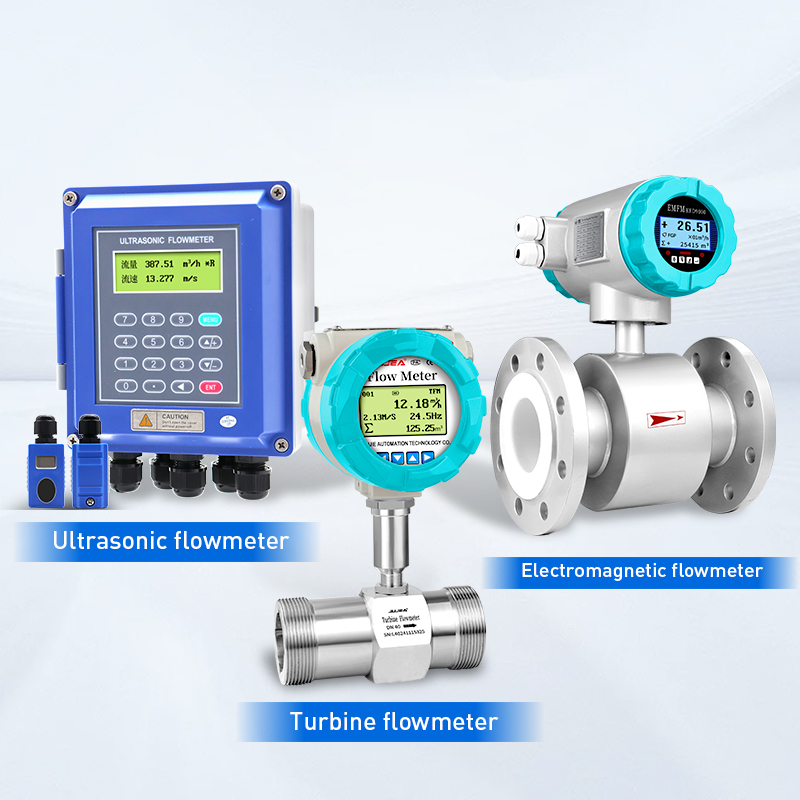
Partner with Jujie Company, a trusted water treatment instrumentation manufacturer with 10+ years of expertise. Our certified dissolved oxygen meters and monitoring solutions serve clients in 160+ countries, delivering accuracy, reliability, and long-term value. Contact us today to discuss your project needs.
Selecting the right water treatment manufacturer is a critical decision that can significantly impact operational efficiency and compliance standards. When evaluating potential partners, buyers must consider various technical specifications, quality assurances, and service capabilities that directly affect long-term performance. The choice becomes even more complex when specialized monitoring equipment like a dissolved oxygen meter is required for comprehensive water quality management systems.
Understanding the manufacturer's technological capabilities and industry expertise forms the foundation of any successful partnership. Modern water treatment facilities require precise monitoring solutions that can deliver accurate readings across various operational conditions. The integration of advanced instrumentation ensures optimal system performance while maintaining regulatory compliance throughout different industrial applications.
Technical Specifications and Equipment Standards
Instrumentation Accuracy and Calibration
The precision of monitoring equipment directly correlates with treatment system effectiveness and regulatory compliance. Manufacturing partners should demonstrate their ability to provide instruments that meet or exceed industry accuracy standards. A high-quality dissolved oxygen meter should offer measurement precision within acceptable tolerances while maintaining stability across extended operational periods.
Calibration procedures and maintenance requirements represent crucial considerations for ongoing operational costs. Manufacturers should provide detailed calibration protocols and specify the frequency of required adjustments. Advanced instruments often feature automatic calibration capabilities that reduce manual intervention while ensuring consistent performance throughout their operational lifespan.
Temperature compensation and pressure correction features enhance measurement reliability in varying environmental conditions. These technical capabilities become particularly important in industrial applications where operational parameters fluctuate regularly. The manufacturer's ability to explain these compensation mechanisms indicates their technical expertise and commitment to delivering reliable solutions.
Integration Compatibility and Communication Protocols
Modern water treatment systems require seamless integration between various monitoring components and control systems. Manufacturers should demonstrate their equipment's compatibility with existing infrastructure and popular communication protocols. Digital communication capabilities enable real-time data transmission and remote monitoring functionality that enhances operational efficiency.
Software integration capabilities allow operators to consolidate monitoring data from multiple instruments into centralized management systems. This integration simplifies data analysis and trending while supporting predictive maintenance strategies. A reliable dissolved oxygen meter should offer multiple communication options including analog outputs, digital interfaces, and wireless connectivity where applicable.
Expansion capabilities ensure that monitoring systems can accommodate future growth and additional instrumentation requirements. Forward-thinking manufacturers design their equipment with modular architectures that support system scaling without requiring complete infrastructure replacement. This flexibility provides long-term value and protects initial investments in monitoring technology.
Quality Assurance and Certification Standards
Manufacturing Standards and Quality Control
Manufacturing quality directly impacts equipment reliability and operational longevity. Reputable manufacturers maintain comprehensive quality management systems that encompass design, production, testing, and delivery processes. ISO certification and other recognized quality standards indicate a manufacturer's commitment to consistent product quality and continuous improvement practices.
Material selection and construction techniques significantly influence equipment durability and performance characteristics. Manufacturers should explain their component selection criteria and manufacturing processes that ensure product reliability in challenging operational environments. Corrosion resistance, temperature stability, and mechanical durability represent key performance indicators for water treatment instrumentation.
Testing protocols and validation procedures provide insight into manufacturing quality and product reliability. Comprehensive testing programs verify that each dissolved oxygen meter meets specified performance criteria before shipment. Factory testing documentation and performance certificates demonstrate the manufacturer's commitment to quality assurance and product reliability.
Regulatory Compliance and Industry Approvals
Regulatory compliance ensures that monitoring equipment meets applicable safety and performance standards for specific applications. Manufacturers should provide documentation of relevant certifications and approvals for their products. These certifications validate that equipment design and manufacturing processes comply with industry standards and regulatory requirements.
Application-specific approvals become critical in regulated industries where equipment must meet stringent performance and safety criteria. Drinking water applications, pharmaceutical manufacturing, and environmental monitoring often require specialized certifications that demonstrate equipment suitability for specific uses. Understanding these requirements helps buyers select appropriate instrumentation for their applications.
Traceability and documentation requirements support regulatory compliance and audit processes. Manufacturers should maintain detailed records of component sourcing, manufacturing processes, and quality testing results. This documentation becomes essential for regulatory submissions and compliance verification activities throughout the equipment's operational life.
Service and Support Capabilities
Technical Support and Training Resources
Comprehensive technical support ensures optimal equipment performance and minimizes operational disruptions. Manufacturers should provide multiple support channels including phone, email, and online resources that address technical questions and troubleshooting needs. Response time commitments and escalation procedures demonstrate the manufacturer's dedication to customer support.
Training programs help operators understand proper equipment use, maintenance procedures, and troubleshooting techniques. Effective training reduces operational errors and extends equipment lifespan while improving measurement accuracy. A dissolved oxygen meter manufacturer should offer training materials, documentation, and hands-on instruction that covers installation, operation, and maintenance procedures.
Remote diagnostic capabilities enable manufacturers to assist customers with troubleshooting and performance optimization without requiring on-site visits. Advanced monitoring systems can provide diagnostic data that helps technical support teams identify potential issues and recommend corrective actions. This remote capability reduces downtime and minimizes service costs for customers.
Maintenance and Replacement Parts Availability
Predictable maintenance requirements and parts availability ensure continuous system operation and controlled lifecycle costs. Manufacturers should provide detailed maintenance schedules and procedures that optimize equipment performance while minimizing operational disruptions. Clear documentation of required maintenance activities helps facilities plan resources and schedule maintenance windows effectively.
Replacement parts availability and delivery timeframes directly impact maintenance planning and system reliability. Manufacturers should maintain adequate inventory levels and provide guaranteed delivery schedules for critical components. Local parts distribution networks reduce delivery times and support rapid response to urgent maintenance needs.
Upgrade pathways and technology refresh options protect long-term investments in monitoring equipment. Forward-thinking manufacturers offer upgrade paths that extend equipment life and incorporate technological advances without requiring complete system replacement. These options provide flexibility for evolving operational requirements and technological improvements in dissolved oxygen meter technology.
Cost Analysis and Value Proposition
Total Cost of Ownership Considerations
Initial purchase price represents only one component of total ownership costs for water treatment monitoring equipment. Buyers should evaluate ongoing operational expenses including calibration services, replacement parts, maintenance requirements, and energy consumption. A comprehensive cost analysis provides accurate comparisons between different manufacturers and equipment options.
Operational efficiency improvements often justify higher initial investments in advanced monitoring equipment. More accurate and reliable instruments reduce process variability and waste while improving compliance performance. These operational benefits translate into measurable cost savings that offset equipment premiums over time.
Lifecycle planning helps buyers understand long-term equipment requirements and budget accordingly. Manufacturers should provide guidance on expected equipment lifespan, upgrade requirements, and technology evolution timelines. This information supports strategic planning and ensures that monitoring systems continue to meet operational needs throughout their expected service life.
Return on Investment and Performance Benefits
Performance improvements from advanced monitoring equipment generate measurable returns through enhanced process control and reduced operational costs. Accurate dissolved oxygen meter readings enable optimal chemical dosing and energy management while maintaining compliance with discharge regulations. These improvements translate into direct cost savings and operational efficiency gains.
Risk mitigation benefits provide additional value through reduced compliance exposure and operational disruptions. Reliable monitoring equipment helps facilities avoid regulatory violations and associated penalties while maintaining consistent treatment performance. Insurance and liability cost reductions often result from demonstrated commitment to operational excellence and environmental compliance.
Productivity enhancements from automated monitoring and data management capabilities reduce labor requirements and improve decision-making processes. Real-time data availability enables proactive process adjustments that optimize treatment efficiency and prevent operational problems. These productivity improvements contribute to overall operational excellence and cost reduction initiatives.
FAQ
How important is manufacturer experience in water treatment applications?
Manufacturer experience in water treatment applications is crucial for understanding specific operational challenges and regulatory requirements. Experienced manufacturers can provide valuable guidance on equipment selection, installation best practices, and operational optimization strategies. Their application knowledge helps ensure that monitoring systems perform reliably in demanding water treatment environments while meeting compliance objectives.
What warranty and service commitments should buyers expect?
Comprehensive warranty coverage should include both equipment defects and performance guarantees for specified periods. Service commitments should define response times, resolution procedures, and escalation processes for different types of issues. Reliable manufacturers offer dissolved oxygen meter products with robust warranty terms and demonstrate their confidence in product quality through comprehensive service support programs.
How can buyers evaluate manufacturer technical capabilities?
Evaluating manufacturer technical capabilities requires reviewing their engineering resources, research and development investments, and product innovation history. Buyers should assess the manufacturer's ability to provide custom solutions, technical documentation quality, and responsiveness to technical inquiries. References from similar applications and case studies demonstrate practical experience in addressing comparable operational challenges.
What role does local support play in manufacturer selection?
Local support capabilities significantly impact response times and service quality for ongoing equipment maintenance and troubleshooting needs. Manufacturers with regional service networks can provide faster response to urgent issues and reduce travel costs for service calls. Local support also facilitates better communication and understanding of specific regional requirements and regulatory standards that may affect equipment operation.