
 EN
EN
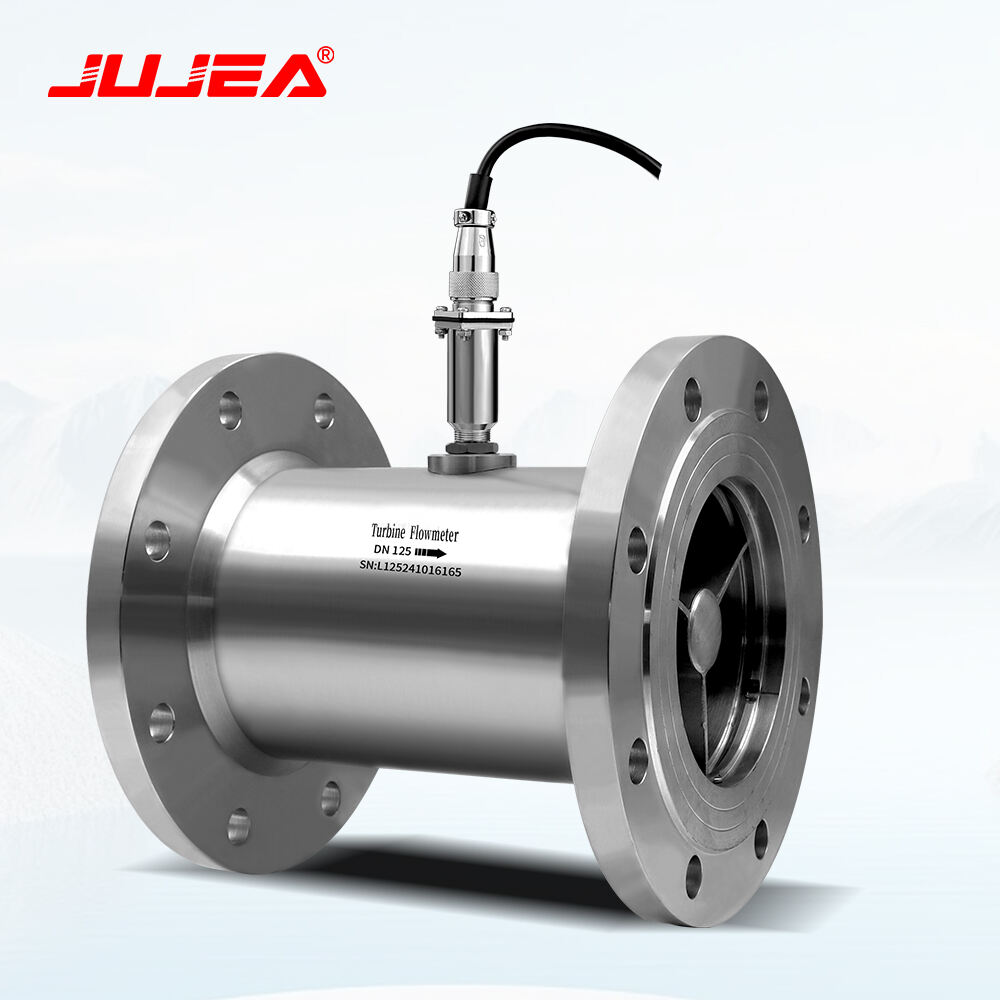
Industrial plants across manufacturing sectors face increasingly complex water quality challenges that demand specialized expertise, reliable equipment, and ongoing technical support. The decision to establish long-term partnerships with a water treatment manufacturer represents a strategic approach that goes beyond simple equipment procurement, addressing the critical need for consistent water quality, regulatory compliance, and operational efficiency that directly impacts production outcomes and bottom-line performance.
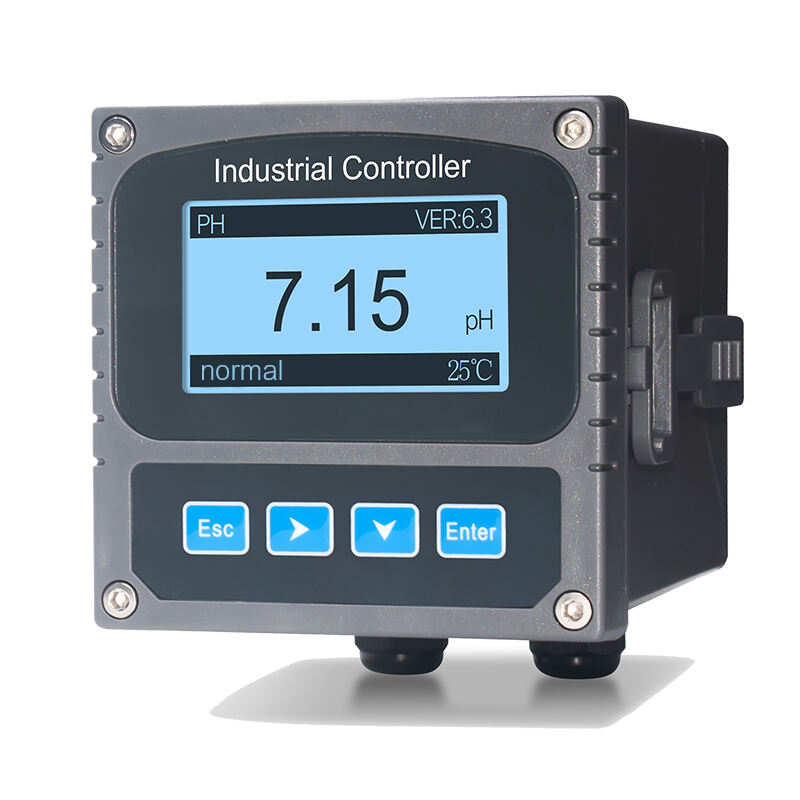
The rationale behind these long-term collaborations stems from the fundamental understanding that water treatment is not a one-time solution but an ongoing process requiring continuous monitoring, adjustment, and improvement. When industrial facilities commit to extended partnerships with a water treatment manufacturer, they gain access to comprehensive support systems, predictable cost structures, and technical expertise that evolves with their operational needs, ultimately creating sustainable competitive advantages in their respective markets.
Strategic Business Value of Long-Term Water Treatment Partnerships
Operational Continuity and Risk Mitigation
Industrial plants prioritize long-term partnerships with a water treatment manufacturer because operational continuity represents the cornerstone of profitable manufacturing operations. When water treatment systems fail or perform inconsistently, the downstream effects can shut down entire production lines, compromise product quality, and trigger costly regulatory violations that impact both immediate revenue and long-term market reputation.
A dedicated water treatment manufacturer partnership provides industrial facilities with immediate access to emergency support, replacement parts inventory, and technical expertise during critical situations. This relationship structure ensures that when equipment malfunctions or water quality parameters shift unexpectedly, plants receive priority response times and specialized knowledge that minimizes downtime and prevents cascading operational disruptions.
Risk mitigation extends beyond equipment reliability to encompass regulatory compliance assurance, where experienced water treatment manufacturers maintain current knowledge of evolving environmental regulations, discharge standards, and industry-specific requirements. This expertise protects industrial plants from costly penalties, legal exposure, and reputation damage that can result from non-compliance incidents.
Cost Predictability and Budget Optimization
Long-term contracts with a water treatment manufacturer enable industrial plants to transform variable water treatment costs into predictable operational expenses that support accurate budgeting and financial planning. Rather than facing unpredictable spikes in equipment replacement costs, emergency service calls, and regulatory compliance expenses, facilities can establish fixed or structured pricing that aligns with their financial cycles and capital planning processes.
These partnerships often include comprehensive service packages that bundle equipment maintenance, chemical supply, performance monitoring, and technical support into single monthly or annual fees. This approach eliminates the need for plants to maintain specialized water treatment expertise in-house, reducing personnel costs while ensuring access to current technical knowledge and proven best practices.
The economic value extends to energy efficiency improvements, where experienced water treatment manufacturers identify optimization opportunities that reduce power consumption, chemical usage, and waste disposal costs over the contract duration. These incremental savings often exceed the partnership fees, creating positive return on investment that justifies the long-term commitment.
Technical Expertise and Innovation Access
Specialized Knowledge and Skills Transfer
Industrial water treatment requires deep technical expertise that spans chemistry, engineering, microbiology, and regulatory knowledge domains that most manufacturing facilities cannot economically maintain in-house. Partnering with a water treatment manufacturer provides plants with immediate access to specialists who understand the complex interactions between water chemistry, process requirements, and equipment performance across diverse industrial applications.
This expertise transfer occurs through regular system evaluations, operator training programs, and collaborative problem-solving sessions that build internal plant capabilities while maintaining access to advanced technical support. Water treatment manufacturers bring experience from multiple industrial sectors, enabling them to apply proven solutions from other industries to specific plant challenges and opportunities.
The knowledge partnership extends to troubleshooting support, where experienced technicians can quickly diagnose complex water quality issues, identify root causes, and implement corrective actions that plant personnel might struggle to resolve independently. This rapid response capability prevents minor issues from escalating into major operational disruptions or quality problems.
Technology Evolution and Upgrade Pathways
Water treatment technology continues advancing rapidly, with new membrane materials, monitoring sensors, automation systems, and treatment processes emerging regularly. Long-term partnerships with a water treatment manufacturer ensure that industrial plants maintain access to these innovations without requiring internal research and development investments or technology evaluation expertise.
Manufacturers typically offer existing partners preferential access to new technologies, pilot program opportunities, and upgrade pathways that leverage existing infrastructure investments. This approach enables plants to adopt proven improvements incrementally rather than facing major capital expenditures for complete system replacements when technology advances occur.
The partnership structure also provides manufacturers with real-world testing environments and application feedback that drives continued innovation, creating mutual benefits where plants receive cutting-edge solutions while manufacturers gain valuable performance data and market insights that inform future product development.
Regulatory Compliance and Environmental Stewardship
Evolving Regulatory Landscape Management
Environmental regulations governing industrial water treatment continue becoming more stringent, with new discharge limits, monitoring requirements, and reporting obligations emerging at federal, state, and local levels. Industrial plants partner with water treatment manufacturers to navigate this complex regulatory environment through expertise that spans current requirements, pending changes, and compliance strategies that protect against violations.
Experienced water treatment manufacturers maintain dedicated regulatory affairs teams that monitor legislative developments, participate in industry standards committees, and develop compliance solutions before new requirements take effect. This proactive approach enables partner facilities to implement necessary changes during planned maintenance windows rather than scrambling to meet new mandates under emergency timelines.
The regulatory partnership extends to documentation support, where manufacturers help plants maintain required records, prepare regulatory reports, and respond to agency inquiries with technical data and compliance evidence. This support reduces the administrative burden on plant personnel while ensuring accurate and complete regulatory submissions.
Sustainability Goals and Environmental Performance
Corporate sustainability initiatives increasingly drive industrial plant operations, with water conservation, energy efficiency, and waste reduction targets becoming standard business objectives. Water treatment manufacturer partnerships align with these goals by providing expertise and solutions that optimize resource utilization while maintaining production requirements and quality standards.
Manufacturers bring experience with sustainable technologies such as water recycling systems, energy-efficient treatment processes, and chemical-free treatment alternatives that help plants achieve environmental performance goals. These solutions often require specialized design expertise and ongoing optimization that internal plant resources cannot provide effectively.
Long-term partnerships enable comprehensive sustainability assessments that identify optimization opportunities across entire water cycles, from intake through discharge, creating integrated solutions that maximize environmental benefits while maintaining operational efficiency and cost effectiveness.
Performance Optimization and Continuous Improvement
Data-Driven Performance Management
Modern water treatment systems generate extensive performance data through automated monitoring, chemical feed tracking, and quality measurement systems. Water treatment manufacturer partnerships provide the analytical expertise necessary to interpret this data, identify optimization opportunities, and implement improvements that enhance system efficiency and reliability over time.
Manufacturers typically maintain centralized data management systems that enable remote monitoring, trend analysis, and predictive maintenance capabilities that individual plants cannot economically develop internally. This data integration creates comprehensive performance visibility that supports proactive decision-making and prevents problems before they impact operations.
The performance partnership extends to benchmarking capabilities, where manufacturers can compare plant performance against industry standards and best practices from similar facilities, identifying specific improvement opportunities that deliver measurable operational and financial benefits.
Proactive Maintenance and System Optimization
Preventive maintenance represents a critical factor in water treatment system reliability, requiring specialized knowledge of equipment characteristics, wear patterns, and replacement intervals that vary based on water quality, operating conditions, and system design. Long-term partnerships with water treatment manufacturers ensure that maintenance activities follow manufacturer recommendations and industry best practices rather than generic facility maintenance procedures.
Manufacturers provide detailed maintenance schedules, replacement part specifications, and performance criteria that optimize equipment life cycles while minimizing unexpected failures. This proactive approach reduces emergency service costs, extends equipment operational life, and maintains consistent treatment performance that supports stable production operations.
System optimization extends beyond maintenance to include performance tuning, chemical program adjustments, and operational parameter modifications that improve efficiency and reduce costs. These improvements require deep understanding of treatment chemistry and equipment interactions that water treatment manufacturers possess through extensive experience across multiple installations and applications.
FAQ
What are the typical contract terms for long-term water treatment manufacturer partnerships?
Most long-term water treatment manufacturer partnerships involve contracts spanning 3-10 years, with typical agreements including equipment supply, maintenance services, chemical programs, and technical support. Contract terms often feature performance guarantees, cost escalation limits, and renewal options that provide predictability for both parties while allowing flexibility for changing operational requirements.
How do industrial plants measure the success of their water treatment manufacturer partnerships?
Success metrics typically include system uptime percentages, water quality consistency, regulatory compliance rates, energy consumption trends, and total cost of ownership comparisons. Many partnerships establish key performance indicators for response times, problem resolution rates, and cost savings achievements that provide objective measures of partnership value and effectiveness.
Can plants switch water treatment manufacturers during long-term contracts?
While long-term contracts create commitments, most agreements include provisions for termination due to performance failures, safety violations, or significant operational changes. However, switching manufacturers involves substantial transition costs, system modifications, and operational disruptions, making careful initial partner selection critical for successful long-term relationships.
What happens if a water treatment manufacturer discontinues support for specific equipment or technologies?
Reputable water treatment manufacturers typically provide advance notice of product discontinuations and offer migration pathways to updated technologies or alternative solutions. Long-term contracts often include technology evolution clauses that address obsolescence scenarios and ensure continued support through transition periods, protecting plant investments and operational continuity.
Table of Contents
- Strategic Business Value of Long-Term Water Treatment Partnerships
- Technical Expertise and Innovation Access
- Regulatory Compliance and Environmental Stewardship
- Performance Optimization and Continuous Improvement
-
FAQ
- What are the typical contract terms for long-term water treatment manufacturer partnerships?
- How do industrial plants measure the success of their water treatment manufacturer partnerships?
- Can plants switch water treatment manufacturers during long-term contracts?
- What happens if a water treatment manufacturer discontinues support for specific equipment or technologies?