
 EN
EN
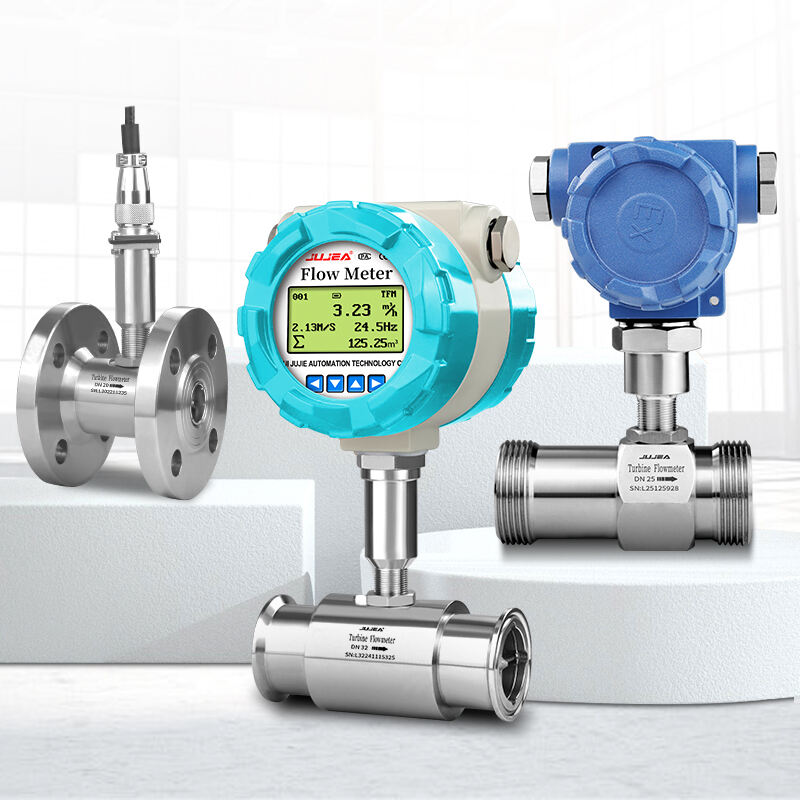
Odabir pravog proizvođač mjerača protoka tekućine u skladu s člankom 3. stavkom 2. točkom (a) Uredbe (EZ) br. 765/2008 Komisija je odlučila o uvođenju mjera za utvrđivanje vrijednosti za proizvod i za utvrđivanje vrijednosti za proizvod i za utvrđivanje vrijednosti za proizvod. Inženjeri moraju pažljivo procijeniti više čimbenika pri odabiru pouzdanog proizvođača mjerača protoka tekućine kako bi osigurali da njihovi sustavi ispunjavaju precizne zahtjeve za mjerenje protoka. U skladu s člankom 3. stavkom 1. točkom (a) Uredbe (EU) br. 528/2012 Komisija je odlučila o uvođenju mjera za utvrđivanje vrijednosti za proizvodnju i proizvodnju.
Moderni industrijski procesi zahtijevaju sofisticirana rješenja za mjerenje protoka koja kombinuju preciznost, pouzdanost i prilagodljivost različitim uvjetima rada. U skladu s člankom 3. stavkom 1. točkom (a) Uredbe (EU) br. 528/2012 proizvođač mora imati sveobuhvatno razumijevanje dinamike tekućine, tehnologija senzora i zahtjeva specifičnih za primjenu u različitim industrijama. Proces odabiru zahtijeva temeljnu analizu mogućnosti proizvođača, portfelja proizvoda i ponude usluga kako bi se osigurala optimalna učinkovitost opreme tijekom cijelog operativnog životnog ciklusa.
Proizvodna Excelencija i Standardi Kvaliteta
Oznaka za certificiranje i usklađenost
Proizvođači uglednih mjerača protoka tekućine održavaju stroge sustave upravljanja kvalitetom koji su u skladu s međunarodnim standardima kao što su ISO 9001, API i ASME certifikati. Ti certifikati pokazuju da je proizvođač posvećen dosljednim postupcima kontrole kvalitete, standardima dokumentacije i metodologijama kontinuiranog poboljšanja. Inženjeri bi trebali provjeriti da potencijalni proizvođači posjeduju relevantna industrijska certifikata i održavaju trenutnu usklađenost s važećim regulatornim zahtjevima.
U skladu s člankom 3. stavkom 1. točkom (a) ovog članka, proizvođač može upotrebljavati sustav za provjeru kvalitete za mjerenje protokala. Napredni proizvođači koriste statističke metode kontrole procesa za praćenje dosljednosti proizvodnje i otkrivanje potencijalnih varijacija kvalitete prije nego što se proizvodnja proizvodi dostići kupce. U proizvodnom postrojenju treba biti primjerena kontrola okoliša, protokoli za čiste sobe, ako je primjenjivo, i dokumentirani postupci inspekcije kvalitete.
Proizvodna kapacitet i skalabilnost
U slučaju da se proizvodnja proizvoda za proizvodnju tečnosti ne provodi u skladu s tim pravilima, proizvođač mora osigurati da se proizvodnja tečnosti ne provodi u skladu s tim pravilima. U skladu s člankom 3. stavkom 1. točkom (a) Uredbe (EU) br. 600/2014 Komisija je odlučila o uvođenju mjera za smanjenje troškova u skladu s člankom 3. stavkom 1. točkom (a) Uredbe (EU) br. 1303/2013. U skladu s člankom 1. stavkom 2. stavkom 2.
Razmatranja skalabilnosti postaju posebno važna za velike projekte ili tvrtke koje predviđaju buduću ekspanziju. U skladu s člankom 11. stavkom 1. točkom (a) Uredbe (EU) br. 528/2012 proizvođač mora imati sposobnost da provodi i provodi proizvodnju u skladu s pravilima o proizvodnji. Inženjeri bi trebali procijeniti povijesne rezultate proizvođača u rukovanju sličnim projektima i njihovu sposobnost podržavanja dugoročnih partnerstava.
Tehničko znanje i inovacije proizvoda
Sposobnosti za istraživanje i razvoj
U skladu s člankom 1. stavkom 2. stavkom 2. U skladu s člankom 21. stavkom 1. točkom (a) Uredbe (EU) br. 528/2012 proizvođač može upotrebljavati svoje kapacitete za istraživanje i razvoj kako bi osigurao da se njegova proizvodnja ne dovodi u pitanje. Inženjeri bi trebali procijeniti proizvodni portfelj, objavljena istraživanja i sudjelovanje u razvoju industrijskih standarda.
Tehničke inovacije prevazilaze temeljni razvoj proizvoda i uključuju napredne značajke kao što su digitalni komunikacijski protokoli, integracija pametnih senzora i mogućnosti predviđanja održavanja. Napredno razmišljanje proizvođač mjerača protoka tekućine u skladu s člankom 21. stavkom 1.
Podrška inženjerstvu primjene
Podrška za inženjering aplikacija razlikuje izvanredne proizvođače od standardnih dobavljača u industriji mjerenja protoka. U skladu s člankom 3. stavkom 1. stavkom 2. točkom (a) ovog članka, za sve proizvode koji se upotrebljavaju u proizvodnji električne energije, za koje se primjenjuje ovaj članak, za koje se primjenjuje odredba o emisiji goriva, potrebno je utvrditi razina emisije goriva. Inženjerski tim proizvođača trebao bi ponuditi detaljnu analizu primjene, izračune veličine i predviđanja performansi.
Službeni podršci aplikacijama uključuju pružanje detaljne tehničke dokumentacije, smjernice za instalaciju i pomoć u otklanjanju grešaka tijekom cijelog životnog ciklusa opreme. Proizvodi s iskustvom u proizvodnji mjerača protoka tekućine održavaju timove tehničke podrške sposobne rješavati složene izazove primjene i pružiti stručne preporuke za optimizaciju točnosti mjerenja i pouzdanosti sustava.
Proizvodni portfolio i mogućnosti prilagođavanja
Raznolikost i izbor tehnologije
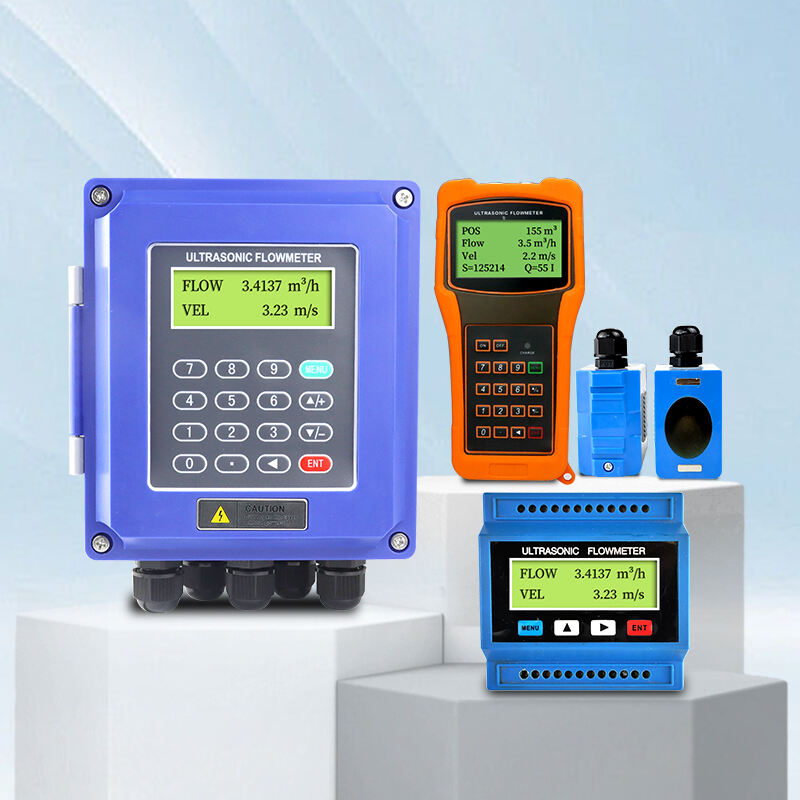
Proizvođač sveobuhvatnog prosječnika tekućine trebao bi ponuditi različite tehnologije mjerenja uključujući elektromagnetne, ultrazvučne, turbine, protoka pozitivnog pomicanja i Coriolisove prosječnike kako bi se zadovoljili različiti zahtjevi primjene. Različiti načeli mjerenja pružaju različite prednosti za određene vrste tekućina, raspon protoka i uvjete procesa. Inženjeri moraju procijeniti pokriva li proizvodni portfolio proizvođača potrebne tehnologije mjerenja i specifikacije performansi.
Izbor tehnologije ovisi o čimbenicima kao što su svojstva tekućine, veličina cijevi, zahtjevi za točnost, uvjeti tlaka i okolišna razmatranja. U skladu s člankom 5. stavkom 1. točkom (b) Uredbe (EU) br. 1225/2012 Komisija je utvrdila da je u skladu s tim člankom u skladu s tim člankom utvrđena i da je u skladu s tim člankom utvrđena i da je u skladu s tim člankom utvrđena i da je u skladu s tim člankom utvrđena i da Proizvodna paleta trebala bi obuhvaćati različite veličine, materijale i konfiguracije kako bi se prilagodila različitim zahtjevima za ugradnju i uvjetima procesa.
Prilagođena inženjerska rješenja
Mnoge industrijske aplikacije zahtijevaju prilagođena rješenja za mjerenje protoka koja se ne mogu zadovoljiti standardnim ponudama proizvoda. Proizvođač mjeritelja protoka tekućine trebao bi dokazati stručnost u prilagođenom inženjerskom dizajnu, razvoju prototipa i specijaliziranim proizvodnim procesima. U skladu s člankom 5. stavkom 1. točka (b) i (c) Uredbe (EU) br. 1290/2013
Proces prilagođavanja zahtijeva blisku suradnju između inženjerskog tima proizvođača i tehničkog osoblja kupca kako bi se osiguralo da projektna rješenja zadovoljavaju specifične zahtjeve za performansama i ograničenja integracije. Iskusni proizvođači održavaju dizajnerske mogućnosti za stvaranje prilagođenih rješenja, uz pridržavanje industrijskih standarda i održavanje pouzdanosti proizvoda tijekom procesa prilagođavanja.
Infrastruktura servisa i podrške
Globalna mreža usluga
Međunarodni projekti i operacije zahtijevaju proizvođače mjerila protoka tekućine s uspostavljenim globalnim servisnim mrežama koje mogu pružiti lokalnu podršku, usluge održavanja i dostupnost rezervnih dijelova. Regionalni servisni centri omogućuju brže vrijeme odgovora, smanjenje logističkih troškova i poboljšanu dostupnost korisničke podrške. Inženjeri bi trebali procijeniti pokrivenost proizvodnih usluga proizvođača u relevantnim geografskim regijama i njihove lokalne mogućnosti tehničke potpore.
Sveobuhvatne servisne mreže obično uključuju ovlaštene servisne partnere, certificirane tehničare i regionalne skladišta za održavanje odgovarajućeg inventara rezervnih dijelova. Proizvođač bi trebao osigurati jasne sporazume o razini usluge, obveze o vremenu odgovora i postupke za eskalaciju kako bi se osigurala dosljedna kvaliteta podrške na različitim lokacijama i u različitim vremenskim zonama.
Obuka i tehnička dokumentacija
Za učinkovito upravljanje i održavanje opreme potrebno je sveobuhvatno osposobljavanje i detaljna tehnička dokumentacija koju osigurava proizvođač mjerača protoka tekućine. Stručna obuka trebala bi obuhvaćati postupke ugradnje, uputstva za rad, tehnike za rješavanje problema i zahtjeve za preventivno održavanje. U skladu s člankom 3. stavkom 2. točkom (a) Uredbe (EZ) br. 1907/2006, proizvođač bi trebao osigurati da se u skladu s člankom 3. točkom (a) Uredbe (EZ) br. 765/2008 i člankom 4. točkom (b) Uredbe (EZ) br. 765/2008 i člankom 4. točkom (c
U skladu s člankom 21. stavkom 1. U potpunosti dokumentirani paketi trebaju uključivati detaljne priručnike, dijagramove ožičenja, postupke kalibracije i popise rezervnih dijelova. U skladu s člankom 21. stavkom 1.
Kalkulacija troškova i analiza vrijednosti
Ukupni troškovi vlasništva
U slučaju da se proizvođači mjenjača protoka tekućine ne odluče o odabiru opreme, trebali bi uzeti u obzir ukupne troškove vlasništva, a ne isključivo početne kupovne cijene. U skladu s člankom 3. stavkom 1. točkom (a) Uredbe (EU) br. 600/2014 Komisija je odlučila da se odluka o pokretanju postupka za odobravanje zahtjeva za uspostavljanje sustava za upravljanje sustavima za upravljanje sustavima za upravljanje sustavima za upravljanje sustavima za upravljanje sustavima za upravljanje sustavima za upravljanje sustavima za upravljanje sustav U skladu s člankom 2. stavkom 2. stavkom 2.
U analizi troškova životnog ciklusa trebali bi se uključiti faktori kao što su točnost mjerenja, statističke podatke o pouzdanosti, intervali održavanja, dostupnost rezervnih dijelova i potrošnja energije. U skladu s člankom 3. stavkom 1. stavkom 2.
Financijska stabilnost i poslovna kontinuitet
Financijska stabilnost i kontinuitet poslovanja proizvođača mjerača protoka tekućine izravno utječu na dugoročnu dostupnost dijelova, podršku u servisu i jamstveno pokriće. Inženjeri bi trebali procijeniti financijsko stanje proizvođača, položaj na tržištu i planove kontinuiteta poslovanja kako bi osigurali stalnu podršku tijekom cijelog životnog ciklusa opreme. U skladu s člankom 3. stavkom 1. stavkom 2.
U tom slučaju, u slučaju da se radi o proizvodima koji se koriste u proizvodnji, potrebno je osigurati da se u skladu s tim zahtjevima ne upotrebljavaju proizvodi koji se koriste u proizvodnji. U tom pogledu, Komisija je zaključila da je u skladu s člankom 10. stavkom 1. točkom (b) Uredbe (EU) br. 596/2014 i člankom 10. stavkom 1. točkom (b) Uredbe (EU) br. 596/2014 Komisija u potpunosti prihvatila da je u skladu s člankom 10. stavkom 1. točkom (b) Uredbe
Iskustvo u industriji i preporuke
Službenici
Različite industrije predstavljaju jedinstvene izazove i zahtjeve za primjene mjerenja protoka, što čini iskustvo specifično za sektor vrijednim pri odabiru proizvođača mjeritelja protoka tekućine. Industrije poput nafte i plina, kemijske prerade, obrade vode i obrade hrane imaju različite regulatorne zahtjeve, sigurnosne standarde i operativna ograničenja. Proizvođači s relevantnim iskustvom u industriji razumiju te specifične izazove i mogu pružiti odgovarajuća rješenja.
U skladu s člankom 5. stavkom 1. točkom (a) Uredbe (EU) br. 1272/2013 proizvođač može izraditi i upotrebljavati sve vrste proizvoda koji se koriste u proizvodnji proizvoda. Inženjeri bi trebali zatražiti studije slučaja, referentne instalacije i podatke o učinkovitosti iz usporedivih aplikacija kako bi procijenili dosadašnju uspješnost proizvođača i tehničke mogućnosti u njihovom specifičnom sektoru industrije.
Referenci kupca i povijest uspješnosti
Referenci kupaca i povijest performansi pružaju vrijedne uvide u pouzdanost proizvođača mjerača protoka tekućine, kvalitetu usluge i dugoročni potencijal partnerstva. Potencijalni kupci trebali bi tražiti referenci iz sličnih aplikacija i voditi izravnu komunikaciju s postojećim kupcima kako bi prikupili povratne informacije iz prve ruke o performansama opreme, podršci usluga i ukupnim razinama zadovoljstva.
U skladu s člankom 3. stavkom 1. točkom (a) Uredbe (EU) br. 528/2012 Komisija bi trebala provesti analizu povijesti performansi i utvrditi podatke o učinkovitosti opreme. U skladu s člankom 3. stavkom 1. točkom (a) Uredbe (EZ) br. 765/2008 Komisija može odlučiti o uvođenju mjera za mjerenje protoka u skladu s člankom 3. stavkom 2. točkom (a) Uredbe (EZ) br. 765/2008 u skladu s člankom 3. točkom (b) Uredbe (EZ) br.
Česta pitanja
Koje ovlaštenja trebam tražiti od proizvođača mjerača protoka tekućine?
U slučaju da je proizvodnja proizvoda u opasnim područjima ograničena na određene kategorije proizvoda, potrebno je utvrditi razinu i razinu rizika. Ti certifikati pokazuju posvećenost proizvođača kontroli kvalitete, sigurnosnim standardima i zahtjevima za točnost mjerenja u različitim primjenama i regulatornim okruženjima.
Kako je važno lokalno podupiranje pri izboru proizvođača?
Lokalna podrška usluga od presudne je važnosti za smanjenje vremena zastoja, smanjenje troškova održavanja i osiguravanje brzog odgovora na tehničke probleme. Proizvođači s regionalnim servisnim centrima, ovlaštenim lokalnim tehničarima i obližnjim zalihama rezervnih dijelova mogu pružiti bržu podršku i niže logističke troškove. To je posebno važno za kritične primjene u kojima bi kvar opreme mogao rezultirati značajnim poremećajima rada ili sigurnosnim problemima.
Što trebam uzeti u obzir u vezi mogućnosti prilagođavanja?
Procjena inženjerskih mogućnosti proizvođača za prilagođena rješenja, njihova iskustva s sličnim modifikacijama, procesa razvoja prototipa i sposobnosti održavanja standarda kvalitete tijekom prilagođavanja. Razmislite o tome mogu li osigurati jedinstvene materijale, nestandardne konfiguracije, integriranu elektroniku ili funkcije specifične za primjenu, a istovremeno se pridržavati industrijskih standarda i održavati pouzdane performanse tijekom cijelog procesa prilagođavanja.
Kako procjenjivati ukupne troškove vlasništva opreme za mjerenje protoka?
Ukupni trošak vlasništva uključuje troškove početne opreme, troškove ugradnje, zahtjeve za kalibraciju, troškove tekućeg održavanja, dostupnost rezervnih dijelova, potrošnju energije i potencijalne posljedice zastoja. Zahtjeti detaljne alate za analizu troškova od proizvođača, pregledajte povijesne podatke o učinkovitosti i razmotrite čimbenike kao što su točnost mjerenja, statistike pouzdanosti i intervali održavanja kako biste donijeli informirane odluke temeljene na dugoročnoj vrijednosti, a ne samo na početnoj kupovnoj