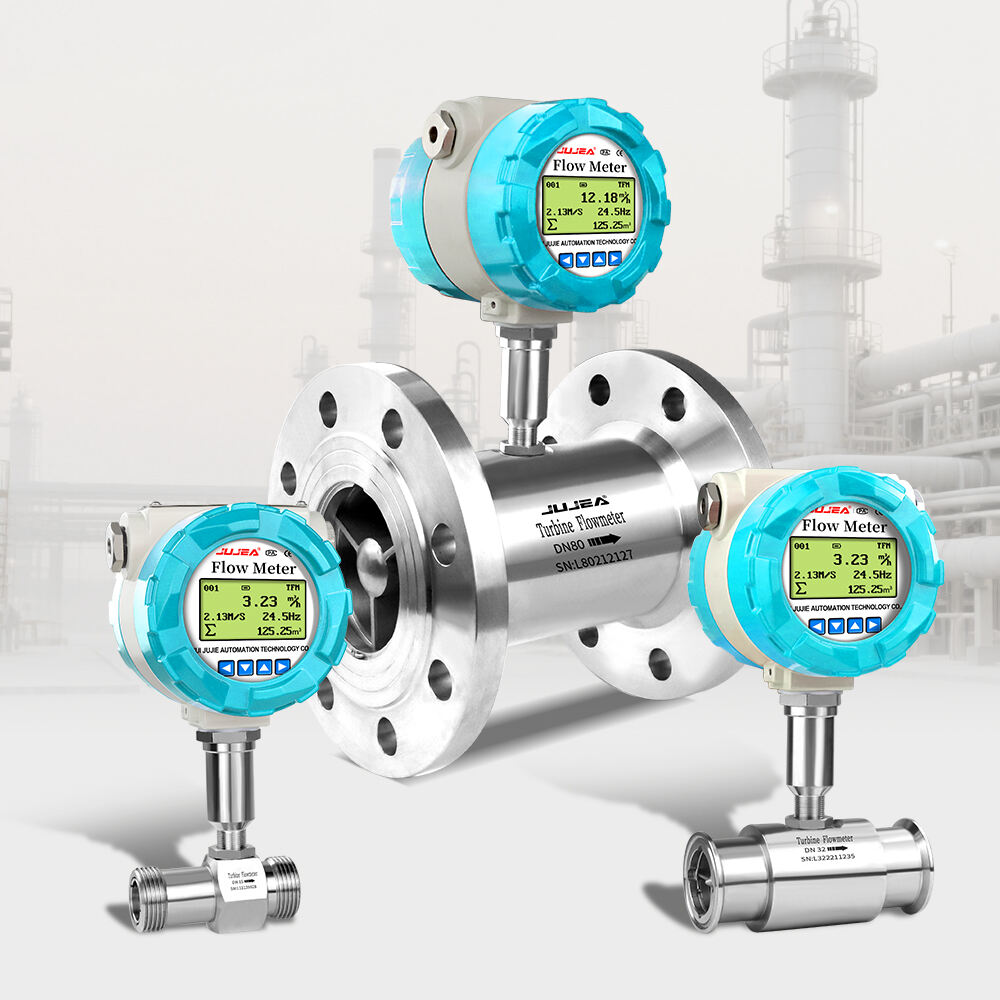
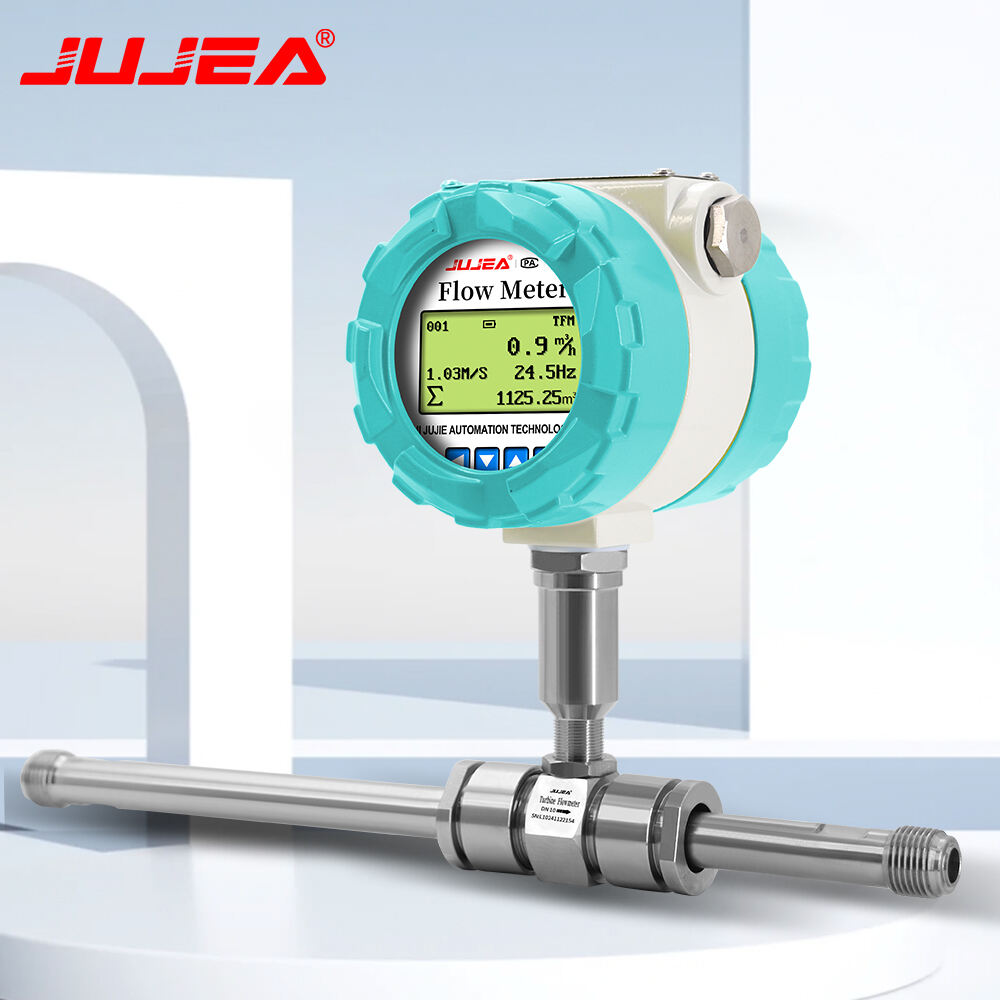
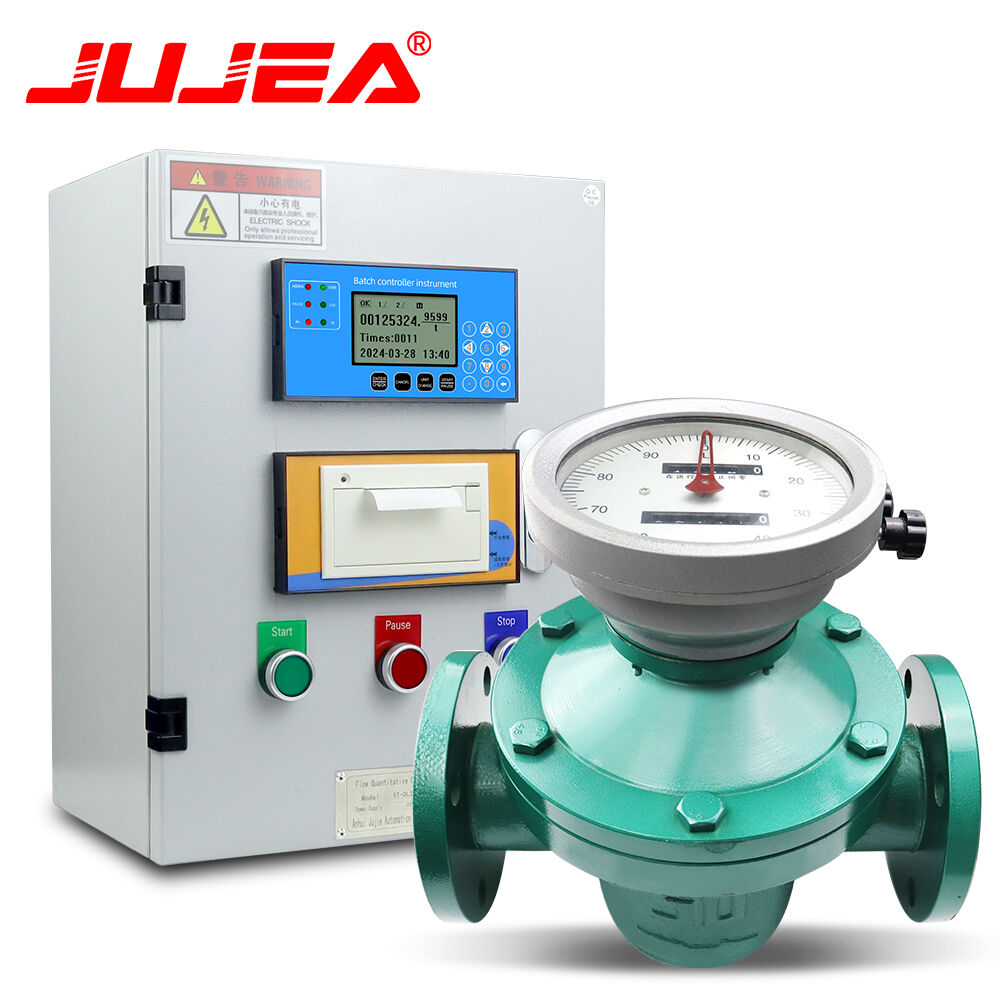
non contact flow sensor
A non contact flow sensor is an advanced measurement device designed to monitor fluid flow without making direct contact with the medium. By eliminating physical interaction, a non contact flow sensor ensures system cleanliness, prevents contamination, and enables accurate flow monitoring even in harsh or sensitive environments.
Using technologies such as ultrasonic, electromagnetic, or optical detection, a non contact flow sensor measures flow rates through methods like Doppler signal analysis, transit-time measurement, or electromagnetic induction. This contact-free approach makes it ideal for applications where traditional mechanical sensors may fail due to corrosion, abrasion, or contamination risks.
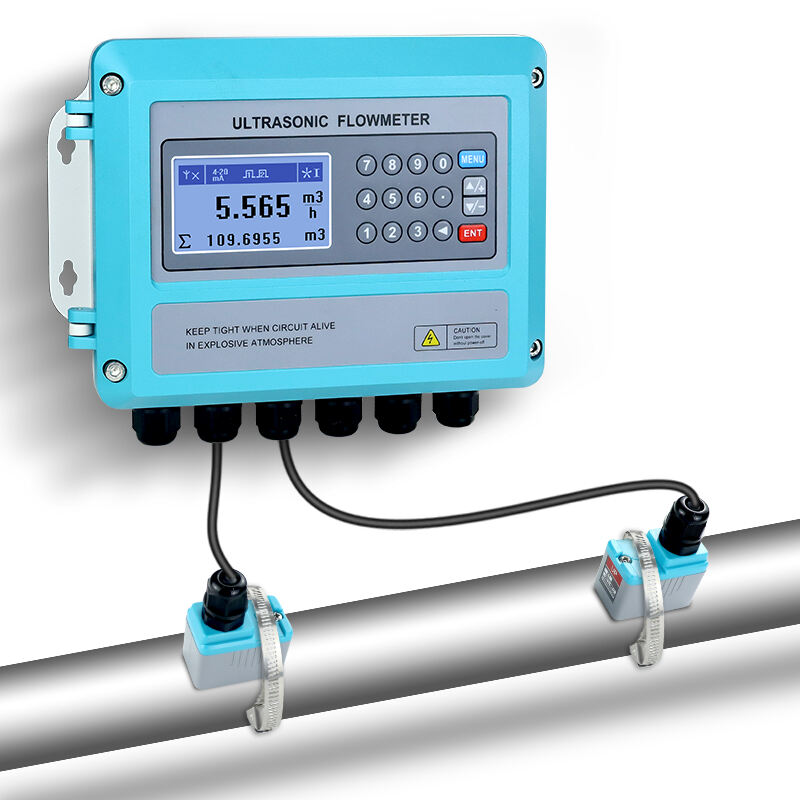
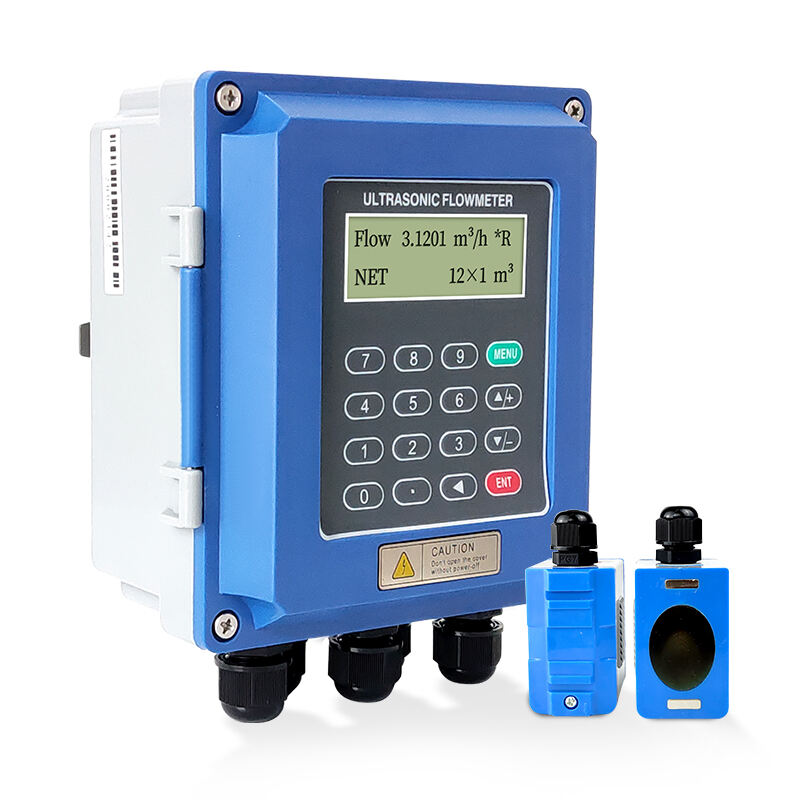
A typical non contact flow sensor features a transmitter–receiver configuration that measures flow parameters externally, ensuring uninterrupted fluid movement. This design is widely used in pharmaceutical production, food and beverage processing, chemical plants, and water treatment facilities—anywhere non-invasive, reliable flow measurement is required.
Modern non contact flow sensor models support real-time data output, digital communication interfaces, and integration with automation and control systems. With no moving parts exposed to the process media, a non contact flow sensor offers long service life, reduced maintenance, and stable performance across different operating conditions.

 EN
EN