
 EN
EN
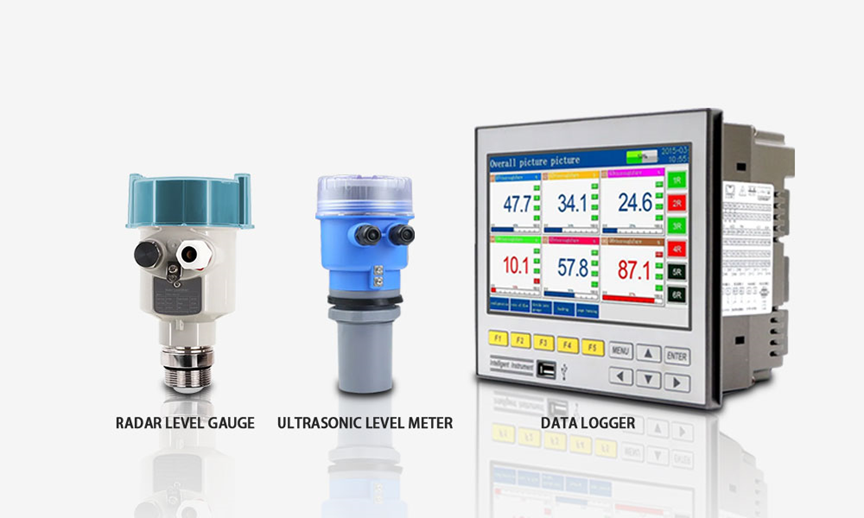
JUJEA, a manufacturer of flow meter equipment, plays a vital role in industrial wastewater treatment, enhancing efficiency and digitizing process data through electromagnetic flow meters, pH meters, metering control boxes, and paperless recorders.
Industrial wastewater treatment is crucial for protecting the environment and public health. The equipment and tools used in this process are essential for effectively removing contaminants from water to prevent wastewater from being discharged back into the natural environment. These systems are diverse, ranging from simple filtration devices to complex chemical treatment units.
Appropriate equipment is crucial to the effectiveness and efficiency of wastewater treatment. Wastewater treatment plants use a variety of tools and equipment to diagnose and resolve operational problems. Some commonly used tools include pumps, filters, clarifiers, bioreactors, and critical monitoring and control equipment such as electromagnetic flow meters, pH meters, metering control boxes, and paperless loggers. Each piece of equipment plays a specific role in the treatment process.
Proper maintenance of wastewater treatment equipment is crucial. Regular inspections and repairs help ensure smooth system operation and guarantee that treated water meets water quality standards before discharge. With technological advancements, new tools and methods are constantly emerging to improve industrial wastewater treatment.
Key points summary
Industrial wastewater treatment utilizes various specialized equipment to remove pollutants. Among them, monitoring equipment such as electromagnetic flowmeters and pH meters, along with control and recording equipment such as quantitative control boxes and paperless recorders, are key auxiliary facilities to ensure treatment effectiveness. Electromagnetic flowmeters can accurately measure wastewater flow, quantitative control boxes can achieve quantitative control of reagent dosing and other processes, pH meters can monitor water quality acidity and alkalinity, and paperless recorders can retain data throughout the entire process.
Regular maintenance of equipment is crucial for effective operation. Calibration of electromagnetic flowmeters, pH meter calibration, parameter verification of quantitative control boxes, and data backup of paperless recorders should all be included in the routine maintenance process to ensure accurate and reliable monitoring and control.
New technologies are improving the efficiency and effectiveness of wastewater treatment processes. The application of intelligent electromagnetic flowmeters, high-precision pH meters, integrated quantitative control boxes, and large-capacity paperless recorders is gradually becoming more widespread, further enhancing the accuracy and intelligence of treatment.
Overview of Industrial Wastewater Treatment
Industrial wastewater treatment is crucial for protecting the environment and public health. It involves removing harmful pollutants from water used in manufacturing and other industrial processes. Proper treatment ensures compliance with regulations and helps conserve water resources. In this process, electromagnetic flowmeters monitor wastewater volume in real time, providing flow data for process parameter adjustments; pH meters accurately control water acidity and alkalinity, preventing extreme pH values from affecting treatment effectiveness; quantitative control boxes use flow rate and other data to quantitatively regulate key steps such as reagent dosing, ensuring sufficient reaction; and paperless recorders completely store treatment data, supporting compliance traceability and process optimization. These four components together constitute the core monitoring and control system for wastewater treatment .
The Importance of Industrial Wastewater Treatment
Industrial wastewater treatment protects ecosystems and human health. Untreated wastewater harms aquatic life and contaminates drinking water sources. Proper treatment also allows industrial enterprises to reuse water resources, thereby reducing overall water consumption.
Many industries generate large amounts of wastewater, such as chemical manufacturing, food processing, and textile production. Treating this wastewater helps companies meet environmental standards and avoid fines. Data on discharge volumes recorded by electromagnetic flowmeters, water quality acidity/alkalinity monitored by pH meters, and historical operating data stored by paperless recorders are all important proof of a company's compliance with environmental regulations. The quantitative control box ensures that reagent dosing and other processes meet process requirements through precise quantitative control, consistently guaranteeing compliant treatment results .
Effective measures can improve a company’s public image, demonstrate its environmental responsibility and commitment to sustainable development, and help improve relationships with local communities and regulatory bodies.
Common pollutants in industrial wastewater
Industrial wastewater typically contains a variety of pollutants, including:
Heavy metals (lead, mercury, chromium)
organic compounds
oils and greases
Suspended solids
Nutrients (nitrogen, phosphorus)
Chemicals and solvents
The types of pollutants in wastewater vary across different industries. For example, food processing wastewater may contain high concentrations of organic matter. The metal surface treatment industry typically generates wastewater containing heavy metals.
Industrial wastewater can have extremely high pH values. Some wastewater is highly acidic, while others are highly alkaline. This necessitates special treatment to neutralize the pH before discharge. A pH meter monitors the wastewater's pH value in real time and transmits the data to a quantitative control box. Based on preset thresholds and the wastewater flow rate monitored by an electromagnetic flow meter, the control box automatically calculates and activates the acid/alkali dosing device for precise neutralization. A paperless recorder simultaneously records pH changes, wastewater flow rate, and dosing data, creating a complete treatment log .
Regulatory framework and standards
Industrial wastewater treatment is subject to strict regulations. In the United States, the Clean Water Act sets wastewater discharge standards. The Environmental Protection Agency (EPA) is responsible for enforcing these regulations.
Wastewater treatment plants must obtain permits to discharge treated wastewater. These permits specify the permissible levels of various pollutants. Failure to comply will result in fines and legal action. Regulations typically require companies to maintain complete wastewater treatment operation data; paperless recorders, with their large storage capacity and reliable data retention capabilities, have become core equipment for data preservation. Monitoring data from electromagnetic flow meters and pH meters must meet regulatory accuracy requirements, while quantitative control boxes enable precise control and data uploading of key parameters such as reagent dosing, facilitating compliant operations .
Many countries have similar regulatory frameworks. The EU's Water Framework Directive is one example. These regulations aim to protect water resources and public health.
Standards typically vary depending on the receiving water body. Discharges of pollutants into sensitive ecosystems may be subject to stricter restrictions. Industries must adapt their treatment processes to meet these specific requirements. For different discharge requirements, treatment parameters such as reagent dosage can be adjusted using a quantitative control box, combined with precise monitoring by electromagnetic flow meters and pH meters, to ensure that treated water quality meets specific standards. Historical data stored by paperless recorders can be readily verified by regulatory authorities, providing strong support for compliance .
Types of industrial wastewater treatment equipment
Industrial wastewater treatment employs a variety of equipment to remove pollutants. These systems utilize physical, chemical, biological, and advanced technologies to purify water for safe disposal or reuse. Electromagnetic flow meters, pH meters, quantitative control boxes, and paperless recorders serve as auxiliary equipment throughout the operation of various treatment devices. Electromagnetic flow meters provide flow data, pH meters monitor water acidity and alkalinity, quantitative control boxes enable precise regulation, and paperless recorders retain data, collectively ensuring the efficient and stable operation of the equipment .
Physical processing equipment
Screens and filters are used to remove large solids from wastewater. Bar screens trap debris, while finer screens retain smaller particles. Centrifuges are used to remove suspended solids.
Sedimentation tanks allow heavier particles to settle to the bottom. Oil-water separators use gravity to separate oil from water.
Dissolved air flotation devices remove lightweight particles by injecting air bubbles to float them to the surface. Membrane filtration, on the other hand, uses micropores to remove extremely small contaminants.
These physical methods are typically the first step in the treatment. They prepare the equipment for subsequent processing by removing visible solids and grease. Electromagnetic flow meters are installed at both the inlet and outlet of the physical treatment unit. By monitoring the difference in flow rates between the inlet and outlet, the blockage status of equipment such as screens and filters is determined. After the data is transmitted to the quantitative control box, the control box can automatically prompt for maintenance or initiate a backwashing procedure, achieving precise operational intervention. Paperless recorders store flow data in real time, providing a basis for equipment operation status analysis and maintenance plan development .
Chemical treatment equipment
The chemical dosing system alters the properties of wastewater by adding substances. The pH adjustment tank uses acids or alkalis to neutralize the water. A pH meter monitors the outlet water quality of the pH adjustment tank in real time and feeds the data back to the quantitative control box. The control box, combined with the wastewater flow rate entering the adjustment tank monitored by an electromagnetic flow meter, accurately calculates the acid/alkali dosage using a preset algorithm and adjusts the dosing pump flow rate to ensure stable neutralization. A paperless recorder records the correlation data between pH value, wastewater flow rate, and chemical dosage, providing data support for process optimization .
Chemicals are mixed in the coagulation and flocculation tanks to aggregate fine particles, making them easier to remove later. An electromagnetic flowmeter monitors the wastewater flow rate entering the coagulation tank and transmits the data to a quantitative control box. Based on the flow data and preset reagent ratios, the control box automatically adjusts the dosage of coagulant and flocculant, achieving precise matching between reagents and wastewater, avoiding reagent waste or incomplete treatment. A paperless recorder stores flow and dosing data, facilitating subsequent process parameter optimization and effect tracking .
Ion exchange devices use resin to exchange harmful ions with less harmful ions. This can soften water or remove specific contaminants.
Oxidation reactors use chemicals such as chlorine to decompose organic matter. Reduction reactors, on the other hand, remove substances such as chromium.
These chemical processes alter the properties of pollutants, making them easier to remove or less harmful. The quantitative control box coordinates the operation of equipment in all stages of chemical treatment, linking monitoring devices such as electromagnetic flowmeters and pH meters with execution devices such as dosing and stirring to ensure precise matching of parameters at each stage. The paperless recorder completely records various parameter data such as flow rate, pH value, and dosage during the treatment process, providing comprehensive support for process optimization and problem diagnosis .
biological treatment system
The activated sludge system utilizes bacteria to decompose organic matter. Large aeration tanks introduce oxygen into the wastewater, providing nutrients for beneficial microorganisms. Electromagnetic flow meters monitor the influent flow and aeration volume in the aeration tanks, while pH meters monitor the pH value of the wastewater. Both data are transmitted to a quantitative control box, which automatically adjusts the influent flow and aeration equipment operating parameters based on the optimal environmental parameters required for microbial growth, ensuring a stable environment within the tanks. Paperless recorders store key data such as flow rate, pH value, and dissolved oxygen, providing a basis for analyzing biological treatment effectiveness and optimizing the process .
The trickling filter sprays water onto a filter media layer covered with a biofilm. As the water flows downwards, bacteria decompose contaminants. An electromagnetic flowmeter precisely monitors the influent flow rate of the trickling filter and feeds the data back to a quantitative control box. The control box adjusts the operating frequency and spray volume of the spraying device based on the flow data to prevent excessive flow from eroding the biofilm or insufficient flow from causing low treatment efficiency. The flow data is simultaneously stored by a paperless recorder, providing data support for evaluating the equipment's operating status .
Anaerobic digesters decompose waste under anaerobic conditions, producing biogas, a useful byproduct. Electromagnetic flow meters monitor the wastewater flow rate entering the anaerobic digester, and a quantitative control box adjusts the digester's operating temperature and stirring frequency based on the flow data to ensure the anaerobic reaction proceeds fully. Paperless recorders store operating data such as flow rate and temperature, providing reliable data support for biogas production prediction and process optimization .
Sequencing batch reactors (SBRs) cycle different treatment stages within a single reactor. This saves space in small plants. The flow rates and time parameters for each stage of the SBR, including influent, reaction, and effluent, are preset and controlled via a quantitative control box. Electromagnetic flowmeters monitor the flow rate at each stage in real time and feed it back to the control box, ensuring precise and controllable operation. Paperless recorders record the operating data for each stage, facilitating process parameter optimization and traceability of treatment effects .
Biological systems utilize nature's own cleaning processes to effectively decompose many common industrial pollutants.
Advanced processing technology
Reverse osmosis technology uses pressure to force water through a very fine membrane. It can remove dissolved salts and other minute contaminants. Electromagnetic flow meters monitor the flow rates of the reverse osmosis system's feed water, concentrate, and permeate, calculating system recovery and desalination rates based on the flow data. A pH meter monitors the feed water's pH value to prevent damage to the reverse osmosis membrane from excessively acidic or alkaline conditions. A quantitative control box automatically adjusts system pressure and feed water pretreatment reagent dosage based on flow and pH data. A paperless recorder stores various operational data, providing a basis for system maintenance and performance evaluation .
Advanced oxidation technology utilizes ultraviolet light or ozone to decompose stubborn pollutants, breaking down chemicals that are difficult to remove using other methods. Electromagnetic flow meters control the flow rate of wastewater within the oxidation reactor, ensuring sufficient reaction time between pollutants and the oxidant. A quantitative control box adjusts the intensity of ultraviolet light or the amount of ozone generated based on flow data, achieving a precise match between the oxidant dosage and the wastewater flow rate. A pH meter monitors the pH value of the water after the reaction, and a paperless recorder stores data such as flow rate, reaction time, and pH value, providing support for process optimization .
The evaporation system evaporates moisture, leaving behind concentrated waste. This method is particularly suitable for waste with high salt or high organic content. An electromagnetic flowmeter monitors the feed flow rate of the evaporation system, and a quantitative control box adjusts the heating power and vacuum level of the evaporator based on the flow data to ensure stable evaporation efficiency. A paperless recorder stores data such as feed flow rate, heating temperature, and vacuum level, facilitating system operation status analysis and energy consumption optimization .
Electrocoagulation removes pollutants using electric current without the need for chemical additives. Due to its high efficiency, this method is becoming increasingly popular. An electromagnetic flowmeter monitors the flow rate of wastewater entering the electrocoagulation unit, and a quantitative control box adjusts the current intensity based on the flow data to ensure a balance between treatment effectiveness and energy consumption. A pH meter monitors the pH value of the treated water, and a paperless recorder stores data such as flow rate, current, and pH value, providing data support for optimizing process parameters .
These advanced methods can solve the most challenging wastewater treatment problems and produce high-quality water suitable for industrial production processes.
Industrial wastewater filtration system
Industrial wastewater filtration systems play a crucial role in removing contaminants from wastewater. These systems employ various methods to separate solids and other pollutants from water, ensuring that wastewater meets discharge standards or is usable in industrial production processes. Electromagnetic flow meters, metering control boxes, and other equipment play key roles in flow monitoring and operational control within the filtration system. Electromagnetic flow meters provide accurate flow data, metering control boxes enable quantitative regulation during backwashing and other processes, and paperless recorders retain operational data, supporting system optimization .
Precipitation and clarification equipment
Sedimentation tanks and clarifiers are key components of industrial wastewater treatment. These large tanks utilize gravity to settle solid particles to the bottom. This process separates suspended solids from the liquid, resulting in clearer water. Electromagnetic flow meters control the wastewater flow rate into the sedimentation tank, preventing excessive flow from disrupting the sedimentation process; a quantitative control box adjusts the sludge scraper's operating frequency based on flow data to ensure timely sludge removal; a paperless recorder stores flow rate and scraper operation data; and a pH meter monitors the pH value of the sedimentation tank effluent, ensuring stable influent for subsequent treatment processes .
Circular and rectangular clarifiers are common types. Circular clarifiers use rotating arms to collect sediment, while rectangular clarifiers typically employ chain and blade-type devices. Both types of clarifiers improve water quality by reducing suspended solids. The clarifier's return sludge flow rate is monitored by an electromagnetic flow meter, and the quantitative control box automatically adjusts the return ratio based on the return flow rate and effluent suspended solids concentration data to optimize the clarification effect; relevant data is stored by a paperless recorder, providing a basis for process optimization .
Advanced clarifiers may include plate settlers or tubular settlers. These devices increase the surface area for particle settling, thereby improving treatment efficiency in a smaller footprint. Electromagnetic flow meters precisely control the inlet flow rate of the plate or tubular settler, ensuring uniform water distribution within the device and improving settling efficiency; flow data is stored in real time by a paperless recorder, and the metering control box can fine-tune the inlet valve according to flow changes to maintain stable operation .
Media filtration technology
Media filtration utilizes multiple layers of materials to trap particulate matter generated during water flow. Commonly used media include sand, anthracite, and activated carbon. Each media targets different contaminants and particle sizes. Electromagnetic flow meters are installed at both the inlet and outlet of the media filter. The degree of filter clogging is determined by monitoring the difference in flow rates between the inlet and outlet. When the difference reaches a preset threshold, the quantitative control box automatically initiates the backwashing program and adjusts the backwash water volume and duration based on the flow data. A paperless recorder stores the flow data during filtration and backwashing, providing a reference for filter maintenance .
Rapid sand filters are widely used in industrial applications. They consist of a sand bed and remove fine particles from water. Backwashing cleans these filters regularly to maintain their efficiency. Electromagnetic flow meters monitor the filtration and backwash flow rates of the rapid sand filter. A metering control box intelligently sets the backwash cycle and duration based on the filtration flow rate and operating time, ensuring the filter maintains optimal filtration performance at all times. A paperless recorder stores relevant operating data, providing support for optimizing backwash parameters .
Multimedia filters combine different materials in multiple layers. For example:
Top layer: Anthracite
Intermediate layer: Sand
Bottom layer: Garnet
This arrangement allows for better filtration of particles of various sizes. An electromagnetic flowmeter monitors the inlet flow rate of the multimedia filter in real time, and a quantitative control box adjusts the inlet valve opening based on the flow data to ensure stable filtration velocity and prevent flow rate fluctuations from affecting the filtration effect. A paperless recorder stores the flow data, providing a basis for evaluating the filter's operating status .
Membrane filtration system
Membrane filtration uses semi-permeable membranes to separate contaminants from water. These systems can remove very small particles, dissolved solids, and even some molecules. Electromagnetic flow meters monitor the influent, permeate, and concentrate flow rates of the membrane filtration system, calculating membrane flux and recovery rate; pH meters monitor the influent pH value to prevent membrane corrosion; a metering control box automatically initiates the cleaning program and adjusts the cleaning agent dosage based on flow data and membrane pressure differential; and a paperless recorder stores various operating data, facilitating membrane performance analysis and maintenance planning .
Common membrane types include:
Microfiltration (MF)
Ultrafiltration (UF)
Nanofiltration (NF)
Reverse osmosis (RO)
Microfiltration (MF) and ultrafiltration (UF) remove larger particles and microorganisms. Nanofiltration (NF) and reverse osmosis (RO) remove dissolved salts and smaller molecules. Reverse osmosis is particularly suitable for producing high-quality water from industrial wastewater. All membrane filtration systems are equipped with electromagnetic flow meters and pH meters. A quantitative control box centrally regulates parameters such as influent flow rate and reagent dosing for each system, ensuring that operating parameters are matched. A paperless recorder integrates and stores data from all systems, providing support for overall process optimization .
Membrane bioreactors (MBRs) combine biological treatment with membrane filtration. Compared to traditional systems, this technology provides superior water quality and requires less floor space. Electromagnetic flow meters monitor the influent and aeration flow rates of the MBR system, while pH meters monitor the pH value of the water in the tank. A quantitative control box adjusts the influent, aeration, and membrane cleaning parameters based on this data to ensure stable system operation. Paperless loggers store critical data such as flow rate, pH value, and membrane pressure differential, providing support for system maintenance and performance optimization .
Evaporation and concentration of solutions
Evaporation and concentration processes play a crucial role in industrial wastewater treatment. These processes remove water from wastewater and concentrate pollutants for disposal or recovery of valuable components. Electromagnetic flow meters, quantitative control boxes, and paperless recorders are responsible for flow monitoring, operation control, and data storage during the evaporation and concentration process. Electromagnetic flow meters provide precise feed flow rates, quantitative control boxes regulate parameters such as heating and vacuum, and paperless recorders retain data to ensure efficient and stable processes .
Mechanical vapor compression
Mechanical vapor compression (MVC) is an energy-saving evaporation method. It utilizes a compressor to increase the pressure and temperature of steam, which then condenses and releases heat. An electromagnetic flowmeter monitors the feed flow rate of the MVC system, and a quantitative control box adjusts the compressor speed and feed pump frequency based on the flow data to ensure a stable liquid level in the evaporator and prevent dry burning or overload. A paperless recorder stores operating data such as feed flow rate, compressor speed, and steam temperature, providing a basis for system energy-saving optimization .
This heat is used to evaporate more wastewater, creating a self-sustaining cycle. MVC systems are capable of handling large volumes of wastewater, making them ideal for industries with high energy costs.
The main advantages of MVC include:
Low energy consumption
Compact design
High recovery rate
MVC evaporators are widely used in various industries, including chemical processing and food production. They can concentrate the solids content of solutions to 75%, thus effectively recovering valuable substances from waste liquids. Electromagnetic flow meters monitor the discharge flow rate of the concentrate and the output of distilled water, allowing for real-time calculation of the concentration ratio and recovery rate. After data is transmitted to the quantitative control box, the control box automatically adjusts the feed flow rate according to the concentration ratio, ensuring stable concentration results. A paperless recorder stores relevant data, facilitating product quality traceability .
Multi-stage flash evaporation
Multistage flash evaporation (MSF) is a heat treatment process that utilizes multiple stages of decreasing pressure. As wastewater flows through these stages, it rapidly boils or "flashes" into steam. Electromagnetic flow meters strictly control the feed flow rate of the MSF system, ensuring uniform water distribution across each flash stage and preventing excessive load on any stage from affecting evaporation efficiency. A quantitative control box adjusts the valve openings at each stage based on the feed flow rate and pressure data to maintain stable operation. A paperless recorder stores data such as flow rate, pressure, and temperature, providing support for system maintenance .
The steam is condensed to produce purified water, while contaminants remain in the concentrated brine. Multi-stage flash evaporation systems are particularly suitable for treating high-salinity wastewater.
Advantages of MSF evaporation:
High production capacity
The ability to handle water prone to scaling
Product quality has always been consistent.
Multistage flash evaporators are commonly used in seawater desalination plants and industrial sites treating large volumes of saline wastewater. They can achieve concentration ratios of up to 10 times the original solution. Monitoring the steam and concentrate flow rates at each stage using electromagnetic flowmeters allows for timely detection of scaling or leaks. Data feedback to the quantitative control box enables the control box to issue warnings and adjust operating parameters. Historical data stored in a paperless recorder supports troubleshooting .
Evaporation crystallizer
An evaporative crystallizer combines evaporation and crystallization processes to recover solids from wastewater. It is typically used when the goal is to produce dry solids rather than concentrated liquids. An electromagnetic flowmeter precisely controls the feed flow rate of the evaporative crystallizer, preventing excessively fast feed rates from causing poor crystallization or excessively slow feed rates from affecting production efficiency. A quantitative control box adjusts the evaporation temperature and stirring speed based on feed flow rate and solution concentration data to ensure uniform crystal size. A paperless recorder stores data such as feed flow rate, temperature, and crystallization time, providing a basis for crystal quality control .
These systems work by evaporating water until the solution becomes supersaturated. At this point, crystals form and can be separated from the remaining liquid.
Forced circulation evaporators are commonly used in crystallization processes. They allow for precise control of temperature and supersaturation, ensuring the formation of high-quality crystals. The circulation flow rate in the forced circulation system is monitored by an electromagnetic flowmeter, and a metering control box adjusts the circulation pump speed based on the flow rate to ensure uniform solution mixing and stable crystal growth. Relevant data is stored in real-time by a paperless recorder, providing data support for process optimization .
Evaporation crystallizers are of significant value in the following aspects:
Zero liquid discharge system
Recycling valuable minerals
Salt production from brine streams
These devices can achieve near-complete moisture removal, leaving only dry solids for disposal or reuse. By monitoring the crystal discharge flow rate and mother liquor return flow rate with an electromagnetic flow meter, and transmitting the data to the quantitative control box, crystallization process parameters can be optimized to improve product recovery rate. The production data stored by the paperless recorder enables batch traceability of products, ensuring controllable product quality .
Processing equipment operation and maintenance
The proper operation and maintenance of industrial wastewater treatment equipment are crucial to the system's efficiency and lifespan. Regular inspections, preventative maintenance, and rapid troubleshooting help ensure optimal equipment performance. Regular maintenance of electromagnetic flowmeters, pH meters, metering control boxes, and paperless recorders is an important part of system maintenance, directly impacting overall treatment effectiveness, and requires the establishment of a dedicated maintenance mechanism .
Routine inspections and monitoring
Routine inspections of industrial wastewater treatment equipment are crucial. Operators should monitor flow rate, pH value, and chemical dosage. Daily checks should include verifying the stability and accuracy of the electromagnetic flowmeter's readings, the pH meter's accuracy and calibration requirements, the indicator lights and display screen of the quantitative control box, ensuring all control parameters are within their set ranges, and the chemical dosage is precise. The paperless recorder should also be checked for proper data recording and sufficient storage capacity to ensure the monitoring and control functions of all equipment are functioning correctly .
Visual inspection can detect leaks, corrosion, or unusual noises. These signs usually indicate that a problem is developing. It is also necessary to check the sensors of the electromagnetic flowmeter and pH meter for dirt buildup, leaks at the mounting interfaces, loose wiring in the metering control box, adequate heat dissipation, and unobstructed reagent dosing lines to avoid affecting measurement and control accuracy due to hardware problems .
A checklist for specific equipment can guide a comprehensive inspection. For example, clarifiers require regular checks of sludge levels.
Automated monitoring systems can continuously track key parameters, enabling rapid responses to deviations from normal operating conditions. The quantitative control box, as the core of the automated monitoring system, integrates data from various sensors such as electromagnetic flowmeters and pH meters. When parameters deviate from thresholds, it automatically issues alarms and initiates corresponding adjustment measures, such as adjusting the dosage of chemicals or starting/stopping backwashing equipment. A paperless recorder simultaneously records alarm information and parameter change curves, providing a basis for fault analysis .
Record keeping is crucial. Checking and recording data helps identify trends and potential problems early. Paperless recorders automatically store real-time data from devices such as electromagnetic flow meters, pH meters, and quantitative control boxes, creating a historical database. Operators can analyze this data to identify trends in parameters such as flow rate, pH value, and reagent dosage, allowing for early prediction of equipment malfunctions or reduced treatment effectiveness .
Preventive maintenance strategy
Regular maintenance can prevent unexpected failures and extend the life of equipment. Recommended maintenance intervals are listed in the manufacturer's guidelines.
Lubricating moving parts such as pump bearings is a common task. Choosing the right type and amount of lubricant is crucial.
Filter replacement and membrane cleaning are crucial for separation equipment. Neglecting these tasks will lead to reduced efficiency.
Calibration of sensors and instruments ensures accurate readings. This is especially important for pH probes and flow meters. Electromagnetic flow meters need to be calibrated regularly according to the manufacturer's requirements, usually at least once a year, and the calibration process must record data such as calibration time and results. pH meters need to be calibrated regularly using standard buffer solutions to ensure measurement accuracy, and calibration data should be stored in a paperless recorder. Quantitative control boxes need to undergo regular parameter verification and program backup to check the accuracy of reagent dosing and ensure the stability and reliability of the control logic .
Providing employees with proper maintenance procedure training is crucial. Well-trained operators can identify and resolve problems before they escalate. Operators need to be trained in electromagnetic flowmeter calibration methods, pH meter calibration procedures, parameter settings and troubleshooting techniques for custom control boxes, as well as data export and analysis methods for paperless recorders, ensuring that maintenance work is standardized and effective .
Developing a maintenance calendar helps track when each piece of equipment needs maintenance, preventing any maintenance tasks from being missed. Maintenance items such as electromagnetic flowmeter calibration, pH meter calibration, wiring checks of custom control boxes, and data backup of paperless recorders should be clearly included in the maintenance calendar, with maintenance cycles and responsible personnel clearly indicated to ensure timely execution .
Troubleshooting
Quickly identifying and resolving problems minimizes downtime. Operators should be familiar with common issues for each equipment type.
Water pump failures are usually caused by cavitation or impeller wear. Checking for abnormal noise or vibration can help detect these problems early. If the electromagnetic flowmeter shows a sudden drop or excessive fluctuation in the pump's inlet and outlet flow rates, combined with abnormal pump noise, it can be preliminarily determined that the problem is due to pump cavitation or impeller wear. Checking parameters such as the pump's operating current through the customized control box can further confirm the fault. The historical flow and current data stored in the paperless recorder can help analyze the timing and cause of the fault .
Clarifier performance issues may stem from improper chemical dosing. Beaker tests can help determine the appropriate chemical ratio. If the pH meter shows an abnormal pH value in the clarifier effluent, or the electromagnetic flow meter shows an imbalance between the dosing flow rate and the wastewater flow rate, it may be due to improper chemical dosing causing a decrease in treatment efficiency. By retrieving historical flow and pH data using a paperless recorder, the root cause of the problem can be traced, and the dosing parameters can be readjusted using a customized control box .
Filter or membrane clogging typically leads to reduced flow. Backwashing or chemical cleaning can usually resolve this issue. By comparing the inlet and outlet flow rates of the filter or membrane monitored by the electromagnetic flowmeter, if the difference exceeds a set threshold, clogging can be identified. Operators can initiate backwashing or chemical cleaning procedures via a customized control box. Flow data during the cleaning process is stored by a paperless recorder for easy evaluation of cleaning effectiveness .
Electrical problems can affect multiple devices. In such cases, having a qualified electrician on standby is crucial. If multiple devices, such as electromagnetic flowmeters and pH meters, simultaneously show abnormal data or no display, it may be due to a fault in the power supply system or signal lines of the custom control box. The power supply and wiring of the control box need to be checked, and repairs should be performed by a professional electrician if necessary. The alarm records from the paperless recorder can help pinpoint the scope of the electrical fault .
Odor issues may indicate incomplete treatment. Checking the aeration system and biological treatment process can usually pinpoint the cause. If the pH meter shows an abnormal pH level in the biological treatment tank, or the electromagnetic flow meter shows insufficient aeration flow, it may indicate reduced microbial activity, resulting in incomplete treatment and odor. Adjusting the aeration flow and acid/alkali dosing parameters using a custom control box, with data stored in a paperless recorder, can verify the effectiveness of these adjustments .
Emerging technologies and future trends
New tools and methods are transforming how industries treat wastewater. These advancements aim to improve treatment efficiency and make it more environmentally friendly. Electromagnetic flow meters, pH meters, custom control boxes, and paperless recorders are also evolving towards intelligent and integrated solutions, supporting the upgrading of wastewater treatment technologies .
Innovation in filtration and purification technologies
The performance of industrial wastewater treatment filters is constantly improving. Nanomaterials and smart membrane technology are able to remove minute contaminants. These new filters remove more contaminants while reducing energy consumption.
Researchers are testing self-cleaning filters. This means less downtime and lower costs for factories. Some new filters can even extract valuable substances from wastewater.
Another exciting area is the use of living organisms to purify water. Algae and specialized bacteria can break down pollutants and transform them into harmless substances. Smart electromagnetic flow meters and pH meters can be integrated with new filtration and biological treatment equipment, enabling more precise operation control through customized control boxes. Paperless recorders can store key data such as pollutant removal efficiency, supporting technology optimization .
Sustainable wastewater management practices
Many companies are now trying to reduce water consumption at the source. They reuse treated wastewater as much as possible during the production process.