
 EN
EN
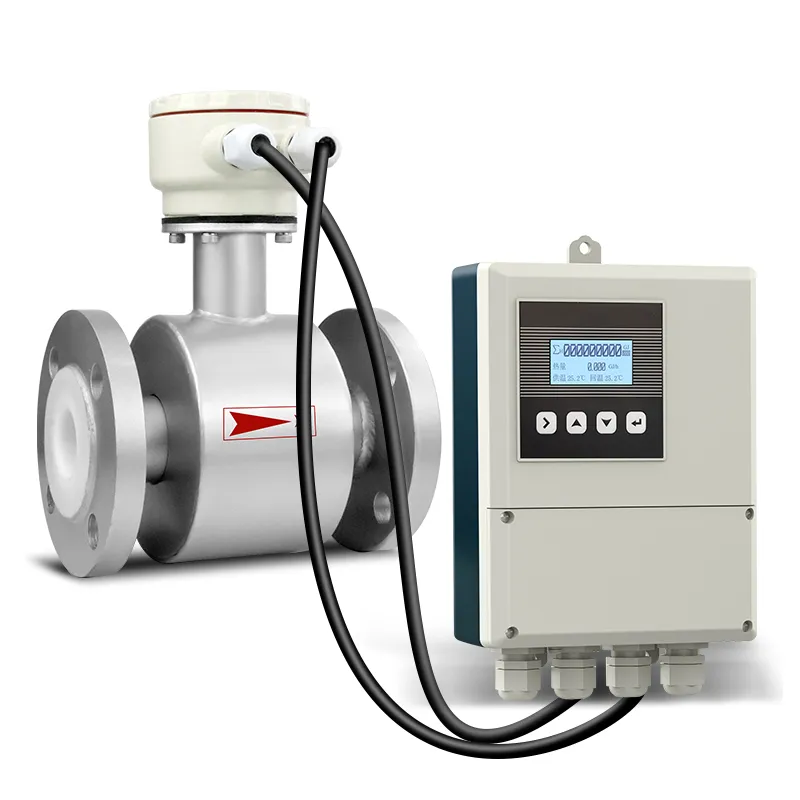
In today's competitive industrial landscape, selecting the right liquid flow meter supplier represents one of the most critical decisions that B2B buyers face. The process extends far beyond simple price comparisons, encompassing technical specifications, reliability standards, and long-term partnership potential. Companies across manufacturing, chemical processing, water treatment, and energy sectors understand that their choice of liquid flow meter supplier will directly impact operational efficiency, maintenance costs, and overall production reliability for years to come. This comprehensive evaluation process requires careful consideration of multiple factors, from technical capabilities to service excellence and financial stability.
Technical Capabilities and Product Portfolio Assessment
Comprehensive Flow Measurement Technology Range
B2B buyers prioritize suppliers who demonstrate expertise across multiple liquid flow meter technologies. A qualified supplier should offer electromagnetic, ultrasonic, turbine, positive displacement, and differential pressure flow meters to address diverse application requirements. This technological breadth ensures that buyers can source different types of liquid flow meter solutions from a single trusted partner, simplifying procurement processes and maintaining consistency in quality standards. Advanced suppliers also provide hybrid technologies and smart metering solutions that integrate with modern industrial automation systems.
The depth of technical knowledge becomes evident through the supplier's ability to recommend appropriate liquid flow meter technologies for specific applications. Professional suppliers conduct thorough application assessments, considering fluid properties, flow rates, pressure conditions, temperature ranges, and installation constraints. They provide detailed technical documentation, including performance curves, accuracy specifications, and compatibility matrices that help buyers make informed decisions. This consultative approach distinguishes experienced suppliers from mere product distributors.
Customization and Engineering Support Capabilities
Industrial applications often require customized liquid flow meter solutions that standard products cannot address adequately. Buyers evaluate suppliers based on their engineering capabilities, design flexibility, and willingness to develop application-specific solutions. This includes custom materials, specialized coatings, unique mounting configurations, and modified electronics to meet specific operational requirements. Suppliers with in-house engineering teams and manufacturing facilities typically offer superior customization options compared to trading companies or distributors.
The evaluation process includes reviewing case studies, reference installations, and technical success stories that demonstrate the supplier's problem-solving capabilities. Buyers seek partners who understand complex process requirements and can provide innovative liquid flow meter solutions that improve operational efficiency. This technical partnership approach creates significant value beyond the initial purchase, establishing a foundation for ongoing collaboration and continuous improvement initiatives.
Quality Standards and Certification Requirements
International Standards Compliance and Certifications
Quality assurance represents a fundamental evaluation criterion when selecting liquid flow meter suppliers. B2B buyers require comprehensive certification portfolios that demonstrate compliance with relevant international standards such as ISO 9001, API, ASME, NIST, and industry-specific regulations. These certifications provide confidence in product quality, manufacturing processes, and overall organizational competency. Suppliers with robust quality management systems typically offer better product consistency, reliability, and traceability throughout the manufacturing process.
Buyers also evaluate testing procedures, calibration standards, and quality control measures implemented throughout the liquid flow meter manufacturing process. This includes reviewing testing certificates, calibration reports, and quality documentation that accompanies each product shipment. Suppliers who maintain accredited calibration facilities and follow rigorous testing protocols demonstrate their commitment to accuracy and reliability. These quality assurance measures become particularly critical in applications where measurement accuracy directly impacts process efficiency, product quality, or regulatory compliance.
Manufacturing Standards and Process Control
The manufacturing environment and process control measures significantly influence product quality and long-term reliability. Buyers conduct facility audits or review detailed manufacturing documentation to assess production capabilities, quality control systems, and continuous improvement initiatives. Modern liquid flow meter manufacturers implement lean manufacturing principles, statistical process control, and automated testing systems that enhance product consistency and reduce defect rates.
Traceability throughout the manufacturing process enables buyers to track component origins, manufacturing dates, and quality test results for each liquid flow meter unit. This documentation becomes essential for maintenance planning, warranty claims, and regulatory compliance requirements. Suppliers with comprehensive traceability systems can quickly identify and address quality issues, minimizing potential impacts on customer operations and maintaining high standards of product reliability.
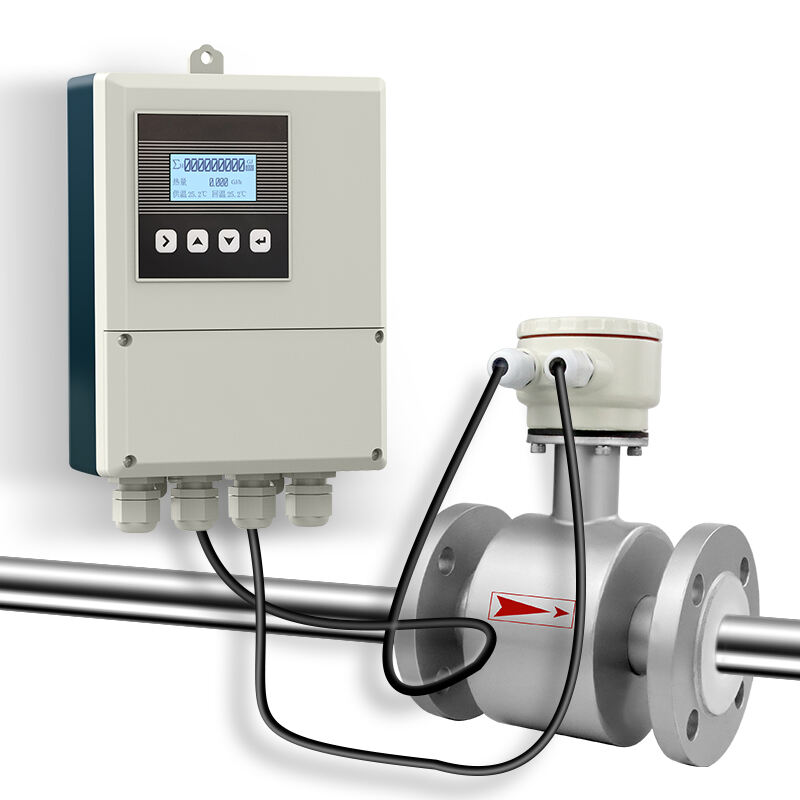
Service Excellence and Technical Support Evaluation
Pre-Sales Engineering and Application Support
Exceptional service begins during the initial evaluation and selection process. B2B buyers assess suppliers based on the quality of pre-sales technical support, application engineering assistance, and project consultation services. Professional liquid flow meter suppliers provide detailed application questionnaires, site surveys, and technical recommendations that ensure optimal product selection and installation success. This consultative approach demonstrates technical competency and commitment to customer success.
The pre-sales process should include comprehensive documentation, including technical specifications, installation drawings, wiring diagrams, and commissioning procedures. Buyers value suppliers who provide detailed project timelines, delivery schedules, and implementation support that facilitate smooth project execution. This level of pre-sales support indicates the supplier's commitment to long-term partnership success and operational excellence.
After-Sales Support and Maintenance Services
Long-term partnership success depends heavily on after-sales support quality and responsiveness. Buyers evaluate suppliers based on technical support availability, response times, field service capabilities, and maintenance program offerings. A comprehensive after-sales program includes troubleshooting assistance, calibration services, spare parts availability, and equipment upgrades that extend liquid flow meter operational life and maintain performance standards.
Training programs for maintenance personnel and operators represent another critical evaluation factor. Suppliers who offer comprehensive training courses, technical documentation, and ongoing education opportunities help buyers maximize equipment performance and minimize operational issues. This knowledge transfer creates internal expertise that reduces dependency on external support while improving overall system reliability and efficiency.
Financial Stability and Business Continuity Assessment
Financial Health and Market Position Analysis
B2B buyers must evaluate supplier financial stability to ensure long-term partnership viability and business continuity. This assessment includes reviewing financial statements, credit ratings, market position, and growth trajectory indicators. Financially stable liquid flow meter suppliers provide greater confidence in warranty fulfillment, spare parts availability, and ongoing technical support throughout the equipment lifecycle. Companies with strong financial foundations typically invest more heavily in research and development, quality improvements, and customer service excellence.
Market position analysis includes evaluating the supplier's reputation, customer base diversity, and competitive advantages. Established suppliers with broad customer bases across multiple industries demonstrate market acceptance and operational resilience. This diversification reduces risks associated with economic downturns or industry-specific challenges that might impact supplier viability. Buyers also consider the supplier's growth plans, expansion strategies, and investment priorities to assess long-term partnership potential.
Supply Chain Resilience and Risk Management
Modern supply chain disruptions have highlighted the importance of supplier resilience and risk management capabilities. Buyers evaluate liquid flow meter suppliers based on their supply chain diversity, inventory management strategies, and contingency planning procedures. Suppliers with multiple manufacturing locations, diverse supplier networks, and strategic inventory reserves can better navigate supply chain disruptions and maintain consistent delivery performance.
Risk management assessment includes reviewing the supplier's quality control procedures, business continuity plans, and insurance coverage. Companies with comprehensive risk management frameworks typically maintain better operational stability and can provide more reliable service delivery even during challenging circumstances. This resilience becomes particularly important for critical applications where liquid flow meter failures could result in significant operational disruptions or safety concerns.
Innovation and Technology Leadership
Research and Development Investment
Innovation leadership distinguishes exceptional liquid flow meter suppliers from commodity providers. Buyers evaluate suppliers based on their research and development investments, patent portfolios, and technology roadmaps. Companies that consistently invest in innovation typically offer more advanced products, better performance characteristics, and future-ready solutions that provide competitive advantages. This innovation focus ensures that buyers can access cutting-edge liquid flow meter technologies as they become available.
Technology leadership assessment includes reviewing recent product introductions, performance improvements, and technological breakthroughs. Suppliers who demonstrate consistent innovation often provide early access to new technologies, beta testing opportunities, and collaborative development programs. These partnerships can result in customized solutions that provide significant competitive advantages and operational improvements for forward-thinking buyers.
Digital Integration and Smart Technology Capabilities
Modern industrial environments require liquid flow meter solutions that integrate seamlessly with digital systems, IoT platforms, and advanced analytics applications. Buyers prioritize suppliers who offer smart metering technologies, wireless communication capabilities, and cloud-based data management solutions. These digital capabilities enable predictive maintenance, real-time monitoring, and advanced process optimization that improve operational efficiency and reduce maintenance costs.
Digital integration assessment includes evaluating communication protocols, data security measures, and software compatibility. Suppliers with comprehensive digital ecosystems can provide integrated solutions that simplify system architecture and reduce implementation complexity. This technological sophistication positions buyers to leverage Industry 4.0 benefits and maintain competitive advantages in increasingly connected industrial environments.
FAQ
What are the most important technical factors to consider when evaluating liquid flow meter suppliers
The most critical technical factors include the supplier's range of flow measurement technologies, accuracy specifications, pressure and temperature ratings, and material compatibility options. Buyers should also evaluate the supplier's engineering support capabilities, customization options, and ability to provide application-specific recommendations. Technical documentation quality, calibration procedures, and compliance with relevant industry standards represent additional important considerations that impact long-term performance and reliability.
How can buyers assess the long-term viability of a liquid flow meter supplier partnership
Long-term viability assessment requires evaluating financial stability, market position, and business continuity planning. Buyers should review financial statements, customer references, and market reputation indicators. Additionally, assessing the supplier's investment in research and development, manufacturing capabilities, and service infrastructure provides insights into their commitment to long-term partnership success. Supply chain resilience and risk management capabilities also indicate the supplier's ability to maintain consistent service delivery over extended periods.
What role does after-sales support play in supplier selection decisions
After-sales support significantly impacts total cost of ownership and operational success throughout the liquid flow meter lifecycle. Comprehensive support includes technical assistance, calibration services, spare parts availability, and maintenance programs. Buyers should evaluate response times, field service capabilities, and training programs that help maximize equipment performance. The quality of after-sales support often determines whether the partnership delivers expected value and operational benefits over the long term.
How important are digital capabilities and smart technology features in modern liquid flow meter selection
Digital capabilities have become increasingly important as industrial facilities adopt Industry 4.0 technologies and data-driven optimization strategies. Modern liquid flow meter solutions should offer communication protocols, remote monitoring capabilities, and integration with digital platforms. These features enable predictive maintenance, real-time performance monitoring, and advanced analytics that improve operational efficiency. Buyers should prioritize suppliers who demonstrate strong digital integration capabilities and provide comprehensive software solutions that support modern industrial requirements.
Table of Contents
- Technical Capabilities and Product Portfolio Assessment
- Quality Standards and Certification Requirements
- Service Excellence and Technical Support Evaluation
- Financial Stability and Business Continuity Assessment
- Innovation and Technology Leadership
-
FAQ
- What are the most important technical factors to consider when evaluating liquid flow meter suppliers
- How can buyers assess the long-term viability of a liquid flow meter supplier partnership
- What role does after-sales support play in supplier selection decisions
- How important are digital capabilities and smart technology features in modern liquid flow meter selection