
 EN
EN
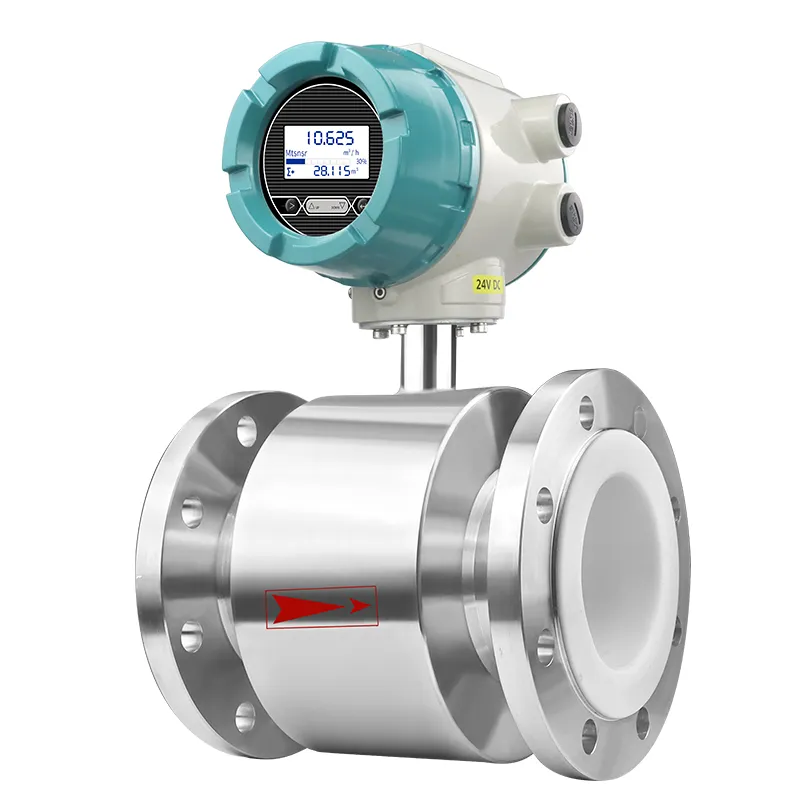
Industrial water projects demand precision, reliability, and long-term performance from every component, particularly when measuring and controlling fluid flows. The selection of a dependable liquid flow meter supplier represents a critical decision that impacts operational efficiency, regulatory compliance, and project success. Modern industrial facilities require accurate flow measurement systems that can withstand harsh operating conditions while delivering consistent, precise data for process optimization and quality control.
Choosing the right supplier involves evaluating multiple factors including technical expertise, product quality, service capabilities, and industry experience. A reliable supplier not only provides high-quality flow measurement equipment but also offers comprehensive support throughout the project lifecycle. This includes initial consultation, system design assistance, installation guidance, calibration services, and ongoing maintenance support to ensure optimal performance.
Technical Expertise and Product Range
Advanced Flow Measurement Technologies
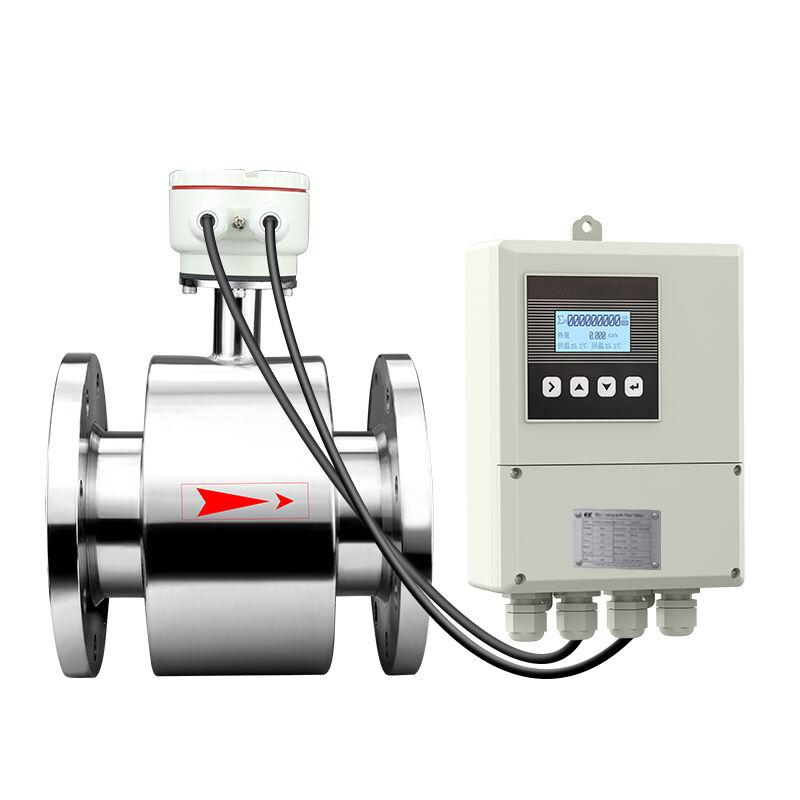
Leading liquid flow meter suppliers maintain extensive portfolios featuring multiple measurement technologies to address diverse industrial applications. Electromagnetic flow meters excel in measuring conductive fluids, offering high accuracy and minimal pressure drop characteristics. Ultrasonic flow meters provide non-invasive measurement capabilities, making them ideal for applications requiring sterile conditions or where pipe modifications are impractical.
Turbine flow meters deliver excellent repeatability for clean liquids, while positive displacement meters offer superior accuracy for custody transfer applications. Advanced suppliers understand that each liquid flow meter technology serves specific applications and can recommend the optimal solution based on fluid properties, flow rates, pipe configurations, and accuracy requirements. This technical depth ensures customers receive appropriate solutions rather than generic recommendations.
Customization and Engineering Capabilities
Industrial water projects often present unique challenges requiring customized flow measurement solutions. Reliable suppliers maintain in-house engineering teams capable of modifying standard products or developing entirely custom designs. This capability becomes essential when dealing with extreme temperatures, corrosive media, high pressures, or unusual installation constraints that standard products cannot accommodate.
Engineering expertise extends beyond product modification to include system integration capabilities. Experienced suppliers understand how liquid flow meter systems interact with broader process control networks, SCADA systems, and data management platforms. They provide detailed specifications, integration protocols, and communication standards ensuring seamless operation within existing infrastructure.
Quality Assurance and Certification Standards
Manufacturing Quality Control
Reputable liquid flow meter suppliers implement comprehensive quality management systems throughout their manufacturing operations. ISO 9001 certification represents a baseline requirement, but leading suppliers often maintain additional certifications specific to flow measurement equipment. These quality systems ensure consistent product performance, traceable calibration procedures, and rigorous testing protocols that validate accuracy specifications.
Advanced quality control includes environmental testing to verify performance across specified temperature ranges, vibration resistance testing, and long-term stability assessments. Suppliers should provide detailed quality documentation including calibration certificates, material certifications, and performance test results. This documentation becomes crucial for regulatory compliance and audit requirements in industrial water treatment facilities.
Industry Compliance and Approvals
Industrial applications require flow measurement equipment meeting specific regulatory standards and industry approvals. Hazardous area certifications such as ATEX or IECEx become mandatory for installations in potentially explosive atmospheres. Sanitary applications require 3-A or EHEDG approvals ensuring equipment meets hygienic design standards.
Water industry applications often require NSF certification for potable water contact, while custody transfer applications demand legal metrology approvals. A comprehensive liquid flow meter supplier maintains current certifications for their product lines and understands approval requirements for different jurisdictions and applications.
Service and Support Infrastructure
Pre-Sales Technical Support
Exceptional suppliers provide comprehensive pre-sales support including application analysis, product selection guidance, and system design assistance. This support begins with detailed discussions about process requirements, fluid characteristics, and performance objectives. Technical teams should conduct thorough application reviews considering factors such as fluid velocity profiles, installation constraints, and integration requirements.
Pre-sales support extends to providing detailed technical documentation, performance calculations, and installation drawings. Experienced suppliers often conduct site surveys to verify installation conditions and identify potential challenges before equipment delivery. This proactive approach minimizes installation delays and ensures optimal liquid flow meter performance from startup.
Installation and Commissioning Services
Professional installation and commissioning services distinguish leading suppliers from basic equipment vendors. Certified technicians understand proper installation procedures, calibration requirements, and system integration protocols. They ensure correct mechanical installation, electrical connections, and communication setup while verifying performance against specification requirements.
Commissioning services include initial calibration verification, system configuration, and operator training. Technicians should document installation procedures, provide as-built drawings, and deliver comprehensive operational manuals. This thorough approach ensures facility personnel understand system operation, maintenance requirements, and troubleshooting procedures for their liquid flow meter installations.
Long-Term Partnership and Maintenance
Ongoing Technical Support
Reliable suppliers establish long-term partnerships extending well beyond initial equipment delivery. They maintain technical support teams capable of addressing operational questions, troubleshooting issues, and providing application guidance as process requirements evolve. This ongoing support becomes particularly valuable as facilities expand or modify their operations.
Technical support should include remote diagnostic capabilities leveraging modern communication technologies. Advanced liquid flow meter systems often feature built-in diagnostics and remote monitoring capabilities enabling suppliers to identify potential issues before they impact operations. This proactive approach minimizes unplanned downtime and extends equipment service life.
Spare Parts Availability and Service Programs
Long-term reliability depends on spare parts availability and comprehensive service programs. Leading suppliers maintain extensive spare parts inventories ensuring rapid delivery when replacement components are required. They should provide detailed spare parts lists, recommended inventory levels, and predictive maintenance schedules based on operating conditions and usage patterns.
Comprehensive service programs include periodic calibration services, preventive maintenance contracts, and emergency repair capabilities. These programs ensure liquid flow meter systems maintain accuracy and reliability throughout their operational life while minimizing facility maintenance burdens. Service agreements should include guaranteed response times, performance warranties, and clear cost structures.
Innovation and Technology Leadership
Research and Development Capabilities
Leading liquid flow meter suppliers invest heavily in research and development to advance flow measurement technologies and address evolving industry needs. This commitment to innovation results in improved accuracy, enhanced reliability, and new capabilities that provide competitive advantages for industrial facilities. Suppliers should demonstrate ongoing technology development through patent portfolios, published research, and next-generation product introductions.
Innovation extends beyond core measurement technologies to include advanced diagnostics, predictive maintenance capabilities, and enhanced communication protocols. Modern liquid flow meter systems incorporate artificial intelligence and machine learning algorithms to optimize performance, detect anomalies, and predict maintenance requirements. These advances enable more efficient operations and reduced lifecycle costs.
Digital Integration and Industry 4.0 Capabilities
Industrial facilities increasingly require flow measurement systems capable of seamless integration with digital infrastructure and Industry 4.0 initiatives. Advanced suppliers develop products with comprehensive digital communication capabilities including Ethernet protocols, wireless connectivity, and cloud-based data management platforms.
Digital integration enables real-time data access, advanced analytics, and predictive maintenance capabilities that optimize facility operations. Liquid flow meter systems should provide standardized communication protocols, cybersecurity features, and scalable data management solutions. Suppliers should demonstrate expertise in digital technologies and provide guidance on implementing smart flow measurement strategies.
Cost Optimization and Value Delivery
Total Cost of Ownership Analysis
Reliable suppliers help customers evaluate total cost of ownership rather than focusing solely on initial equipment costs. This comprehensive analysis includes installation costs, ongoing maintenance requirements, energy consumption, and expected service life. Understanding these factors enables more informed purchasing decisions and better long-term financial planning.
Total cost analysis should consider accuracy benefits, reduced maintenance requirements, and enhanced reliability that premium liquid flow meter systems provide. Higher-quality equipment often delivers lower lifecycle costs through reduced downtime, fewer calibration requirements, and extended service intervals. Experienced suppliers provide detailed cost models demonstrating value propositions for different application scenarios.
Flexible Commercial Terms and Support Options
Leading suppliers offer flexible commercial arrangements accommodating diverse customer requirements and project constraints. This includes various payment terms, leasing options, and performance-based contracts that align supplier interests with customer success. Flexible arrangements enable customers to implement optimal solutions regardless of budget constraints or cash flow considerations.
Support options should include training programs, extended warranties, and comprehensive service agreements tailored to specific facility requirements. Suppliers should work collaboratively with customers to develop commercial structures that support long-term success while providing appropriate risk allocation and performance guarantees for liquid flow meter installations.
FAQ
What accuracy levels should I expect from industrial liquid flow meters?
Industrial liquid flow meter accuracy varies by technology and application requirements. Electromagnetic flow meters typically provide ±0.5% accuracy for water applications, while turbine meters can achieve ±0.25% accuracy under optimal conditions. Ultrasonic meters offer ±1-2% accuracy depending on installation conditions. Your supplier should specify accuracy under your specific operating conditions including temperature, pressure, and flow rate ranges.
How do I determine the right flow meter technology for my application?
Technology selection depends on fluid properties, accuracy requirements, installation constraints, and budget considerations. Electromagnetic meters work best with conductive fluids, ultrasonic meters suit applications requiring non-invasive installation, and turbine meters excel with clean liquids requiring high accuracy. A qualified supplier will evaluate your specific requirements and recommend the optimal liquid flow meter technology based on comprehensive application analysis.
What maintenance requirements should I expect for liquid flow meters?
Maintenance requirements vary significantly by technology and application conditions. Electromagnetic flow meters typically require minimal maintenance beyond periodic calibration verification, while mechanical meters like turbines may need more frequent inspection and component replacement. Your supplier should provide detailed maintenance schedules, spare parts recommendations, and training to ensure optimal performance throughout the equipment service life.
How important is local service support when selecting a flow meter supplier?
Local service support becomes critical for minimizing response times during emergencies and reducing travel costs for routine maintenance. While remote diagnostic capabilities help address many issues, complex troubleshooting and physical repairs require on-site technicians. Evaluate suppliers based on their local service network, response time commitments, and technician qualifications to ensure adequate support for your liquid flow meter installations.