
 EN
EN
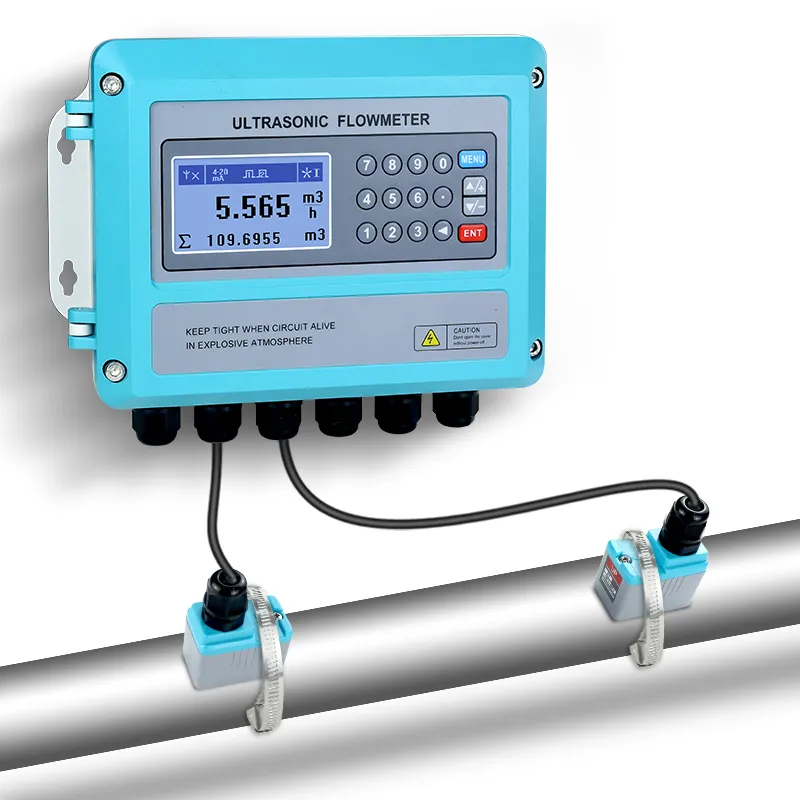
Water treatment systems rely heavily on precise measurement and monitoring capabilities to maintain optimal performance and regulatory compliance. A skilled liquid flow meter manufacturer plays a crucial role in developing instruments that deliver consistent accuracy across diverse operational conditions. These precision devices form the backbone of modern water treatment facilities, enabling operators to monitor flow rates, detect anomalies, and optimize system efficiency. The relationship between measurement accuracy and treatment effectiveness cannot be overstated, as even minor deviations can lead to significant operational challenges and compliance issues.
Engineering Precision in Flow Measurement Technology
Advanced Sensor Design Principles
The foundation of accurate flow measurement begins with sophisticated sensor technology that a professional liquid flow meter manufacturer incorporates into their designs. Modern ultrasonic sensors utilize advanced signal processing algorithms to eliminate noise interference and environmental factors that could compromise measurement integrity. These sensors employ multiple measurement points to create redundant data streams, ensuring reliability even when individual components experience temporary disruptions.
Temperature compensation mechanisms represent another critical aspect of sensor design that manufacturers must address. Water treatment systems often experience significant temperature variations throughout daily operational cycles, which can affect fluid density and viscosity properties. Leading manufacturers integrate automatic temperature correction features that continuously adjust readings based on real-time thermal conditions, maintaining accuracy across the full operational temperature range.
Calibration Methodologies and Standards
Rigorous calibration procedures ensure that each instrument meets exacting accuracy specifications before deployment in water treatment applications. A reputable liquid flow meter manufacturer establishes comprehensive calibration protocols that encompass multiple flow rates, pressure conditions, and fluid compositions. These procedures typically involve testing against certified reference standards traceable to national metrology institutes, providing documented evidence of measurement reliability.
Multi-point calibration techniques enable manufacturers to characterize instrument performance across the entire measurement range, identifying potential non-linearities or drift patterns that could affect long-term accuracy. This approach involves testing at minimum, medium, and maximum flow rates within the instrument's specification range, creating detailed performance maps that guide quality control decisions and customer application recommendations.
Quality Control Systems and Manufacturing Standards
Material Selection and Durability Testing
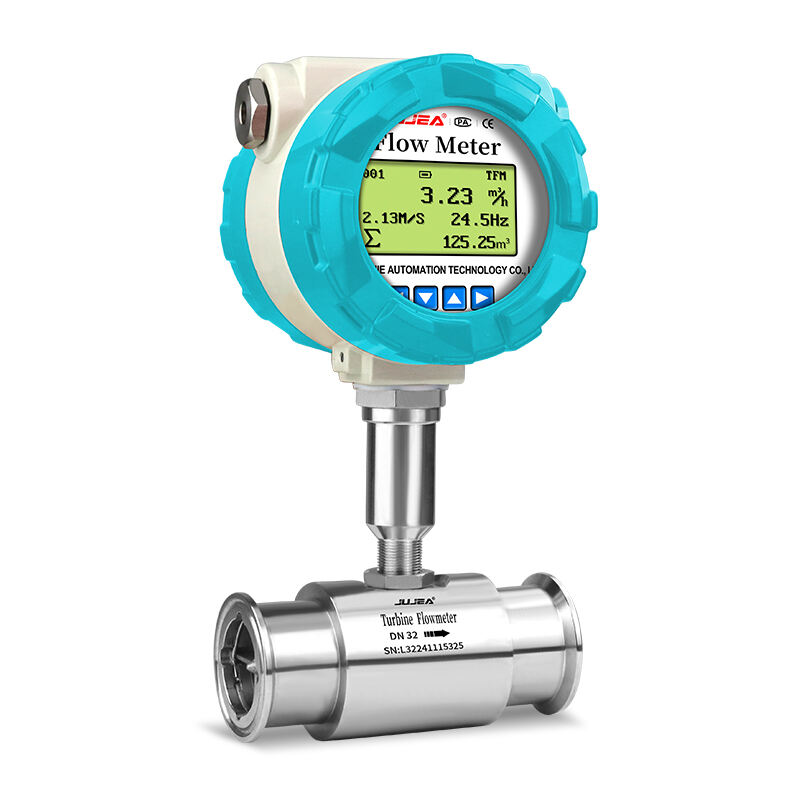
Component material selection significantly impacts long-term accuracy and reliability in demanding water treatment environments. Each liquid flow meter manufacturer must carefully evaluate materials for chemical compatibility, corrosion resistance, and mechanical stability under varying pressure and temperature conditions. Stainless steel housings, ceramic sensing elements, and specialized polymer seals represent common material choices that balance performance requirements with cost considerations.
Accelerated aging tests simulate years of operational exposure in compressed timeframes, allowing manufacturers to predict long-term performance characteristics and identify potential failure modes before products reach customer facilities. These comprehensive testing protocols include exposure to aggressive chemicals, thermal cycling, vibration stress, and pressure fluctuations that mirror real-world water treatment operating conditions.
Manufacturing Process Control
Statistical process control methods enable manufacturers to maintain consistent quality throughout production cycles while minimizing variation between individual units. Each stage of the manufacturing process incorporates specific measurement checkpoints that verify dimensional accuracy, electrical performance, and mechanical integrity. These quality gates prevent defective components from advancing through the production line, reducing warranty claims and enhancing customer satisfaction.
Automated testing equipment performs standardized verification procedures that eliminate human error and ensure reproducible results across different production shifts and facilities. These systems can execute complex test sequences involving multiple flow rates, pressure levels, and signal processing parameters, generating detailed documentation that supports traceability requirements and regulatory compliance obligations.
Application-Specific Design Considerations
Environmental Adaptation Features
Water treatment facilities present unique environmental challenges that require specialized design adaptations from a knowledgeable liquid flow meter manufacturer. High humidity conditions, chemical vapors, and electromagnetic interference from pumps and motors can all impact measurement accuracy if not properly addressed during the design phase. Sealed enclosures with appropriate ingress protection ratings prevent moisture and contaminant infiltration that could degrade internal components.
Electromagnetic compatibility measures ensure accurate operation in electrically noisy environments typical of water treatment plants. Shielded cables, filtered power supplies, and grounded enclosures work together to minimize interference effects that could introduce measurement errors or signal instability. These protective measures become particularly important when installing flow meters near variable frequency drives or high-power electrical equipment.
Integration with Control Systems
Modern water treatment facilities rely on sophisticated automation systems that require seamless integration with flow measurement devices. A forward-thinking liquid flow meter manufacturer develops products with multiple communication protocols and output options that accommodate diverse control system architectures. Digital communication capabilities enable remote diagnostics, parameter adjustment, and real-time data logging that enhance operational efficiency.
Standardized communication protocols such as Modbus, HART, or Ethernet-based systems facilitate integration with existing plant infrastructure while providing flexibility for future system upgrades. These digital interfaces also enable advanced diagnostic features that can predict maintenance requirements and identify potential accuracy drift before it affects treatment process performance.
Accuracy Validation and Maintenance Protocols
Field Verification Procedures
Regular field verification ensures that installed flow meters maintain their original accuracy specifications throughout their operational lifetime. Professional liquid flow meter manufacturer representatives often provide comprehensive verification procedures that plant operators can implement using portable calibration equipment. These procedures typically involve comparative measurements against certified reference standards or temporary bypass installations with traceable flow measurement devices.
Documentation requirements for verification activities support regulatory compliance and provide historical records that demonstrate measurement reliability over time. Detailed verification reports include environmental conditions, reference standard information, measurement results, and any corrective actions taken to address accuracy deviations. This documentation proves invaluable during regulatory audits and helps establish maintenance schedules that optimize instrument performance.
Predictive Maintenance Strategies
Advanced diagnostic capabilities enable predictive maintenance approaches that identify potential accuracy issues before they impact water treatment operations. Signal analysis techniques can detect fouling conditions, sensor degradation, or mechanical wear patterns that gradually affect measurement performance. Early detection allows maintenance teams to schedule corrective actions during planned outages rather than responding to unexpected failures.
Trend analysis of key performance indicators helps operators understand normal instrument behavior and recognize abnormal patterns that may indicate developing problems. Parameters such as signal strength, noise levels, temperature coefficients, and zero stability provide valuable insights into instrument health and remaining useful life estimates.
Regulatory Compliance and Standards Adherence
Industry Standards and Certifications
Compliance with recognized industry standards ensures that flow measurement equipment meets minimum performance requirements and safety specifications. A responsible liquid flow meter manufacturer pursues certifications from organizations such as the American Water Works Association, International Organization for Standardization, and relevant national metrology institutes. These certifications provide independent verification of product capabilities and manufacturing quality systems.
Hazardous area certifications become essential when flow meters operate in environments where explosive atmospheres may develop. Intrinsic safety designs and explosion-proof enclosures require specialized engineering expertise and rigorous testing protocols to achieve approval from recognized certification bodies. These safety features protect both personnel and equipment while maintaining measurement accuracy under challenging conditions.
Documentation and Traceability Requirements
Comprehensive documentation packages support installation, operation, and maintenance activities while providing evidence of regulatory compliance. Each liquid flow meter manufacturer must develop detailed technical manuals that include installation guidelines, calibration procedures, troubleshooting information, and performance specifications. These documents enable plant personnel to achieve optimal performance and maintain accuracy over extended operational periods.
Calibration certificates provide traceable evidence linking instrument accuracy to national measurement standards through an unbroken chain of comparisons. These certificates document uncertainty levels, environmental conditions, and reference equipment used during calibration activities, supporting quality assurance programs and regulatory reporting requirements.
FAQ
What factors most commonly affect flow meter accuracy in water treatment applications
Several environmental and operational factors can impact flow meter accuracy in water treatment systems. Temperature variations affect fluid properties and sensor performance, while chemical additives may cause fouling or corrosion that degrades measurement capabilities. Pressure fluctuations, air entrainment, and electromagnetic interference from nearby equipment also contribute to accuracy degradation. A qualified liquid flow meter manufacturer addresses these challenges through appropriate material selection, environmental protection features, and compensation algorithms that maintain accuracy across varying conditions.
How often should flow meters be calibrated or verified in water treatment facilities
Calibration frequency depends on application criticality, regulatory requirements, and historical performance data. Most water treatment facilities perform annual verification checks using portable reference standards, while full recalibration may occur every two to five years depending on instrument type and operating conditions. Critical applications may require more frequent verification schedules, particularly when accuracy directly impacts regulatory compliance or product quality. Manufacturers typically provide recommended calibration intervals based on extensive field experience and performance data.
What communication protocols are most suitable for integrating flow meters with water treatment control systems
Modern water treatment facilities commonly utilize Modbus RTU or Ethernet-based protocols for flow meter integration due to their reliability and widespread support. HART protocol provides additional diagnostic capabilities while maintaining compatibility with existing analog infrastructure. Industrial Ethernet protocols such as Profinet or EtherNet/IP offer high-speed communication and advanced networking features suitable for large facilities. The choice depends on existing control system architecture, required data update rates, and future expansion plans that a knowledgeable liquid flow meter manufacturer can help evaluate.
How do manufacturers ensure long-term accuracy stability in harsh water treatment environments
Manufacturers employ multiple strategies to maintain accuracy stability including robust material selection, environmental sealing, and temperature compensation features. Accelerated aging tests during development predict long-term performance characteristics, while statistical process control during manufacturing ensures consistent quality. Advanced diagnostic capabilities enable predictive maintenance that addresses accuracy drift before it affects operations. Regular field verification programs and comprehensive documentation support ongoing accuracy validation throughout the instrument lifecycle.
Table of Contents
- Engineering Precision in Flow Measurement Technology
- Quality Control Systems and Manufacturing Standards
- Application-Specific Design Considerations
- Accuracy Validation and Maintenance Protocols
- Regulatory Compliance and Standards Adherence
-
FAQ
- What factors most commonly affect flow meter accuracy in water treatment applications
- How often should flow meters be calibrated or verified in water treatment facilities
- What communication protocols are most suitable for integrating flow meters with water treatment control systems
- How do manufacturers ensure long-term accuracy stability in harsh water treatment environments