
 EN
EN
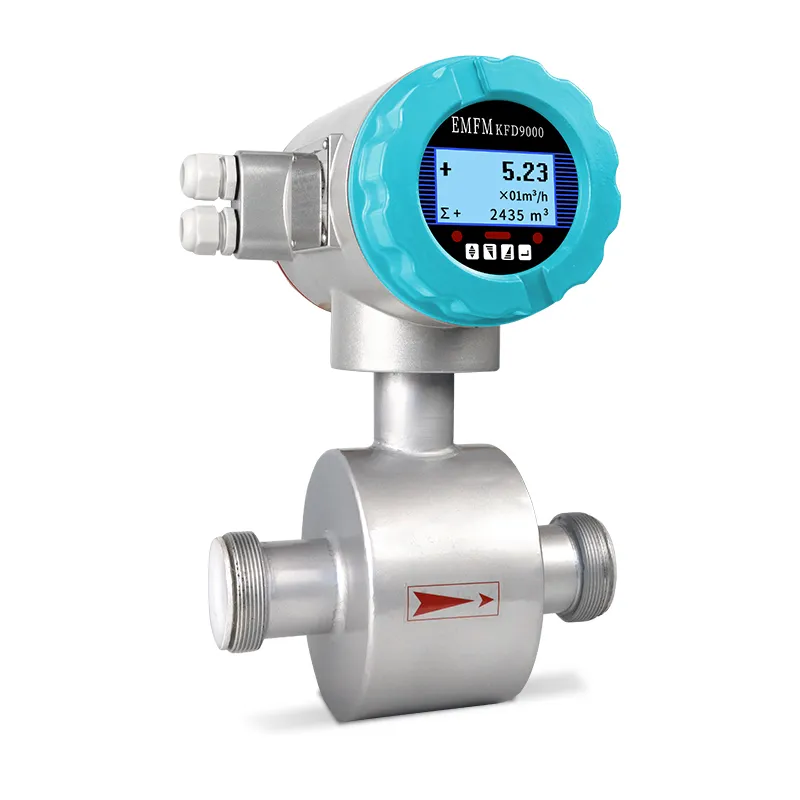
In today's competitive industrial landscape, distributors face mounting pressure to deliver reliable measurement solutions while maintaining consistent supply chains. When partnering with a Liquid Flow Meter Manufacturer, the stability of their supply chain becomes a critical factor that directly impacts distribution success, customer satisfaction, and long-term profitability. Understanding the intricate relationship between manufacturing stability and distribution efficiency enables informed decision-making that protects both immediate operations and future growth prospects.
Supply chain stability encompasses multiple dimensions that extend beyond simple product availability. Modern distributors must evaluate manufacturing partners based on their ability to maintain consistent production schedules, quality standards, and delivery commitments across varying market conditions. The complexity of liquid flow measurement technology requires sophisticated manufacturing processes, making supply chain resilience even more crucial for sustained business relationships.
Critical Components of Manufacturing Supply Chain Assessment
Production Capacity and Scalability Evaluation
Assessing production capacity involves examining both current manufacturing capabilities and future scalability potential of a Liquid Flow Meter Manufacturer. Distributors must understand whether their manufacturing partner can accommodate fluctuating demand patterns without compromising quality or delivery timelines. This evaluation includes analyzing facility size, equipment sophistication, workforce stability, and technological infrastructure that supports consistent production output.
Scalability assessment extends beyond immediate capacity to encompass the manufacturer's ability to adapt to market growth, seasonal variations, and unexpected demand surges. Understanding production flexibility helps distributors predict supply reliability during peak periods and plan inventory strategies accordingly. Manufacturers with robust scalability frameworks demonstrate better long-term partnership potential.
Raw Material Sourcing and Supplier Relationships
The foundation of any stable manufacturing operation lies in consistent raw material availability and quality. Distributors should investigate how their chosen Liquid Flow Meter Manufacturer manages supplier relationships, particularly regarding critical components like sensors, electronics, and specialized materials. Understanding supplier diversification strategies reveals potential vulnerability points that could affect product availability.
Examining the geographic distribution of suppliers provides insights into potential disruption risks from natural disasters, political instability, or transportation challenges. Manufacturers with diversified supplier networks across multiple regions demonstrate better resilience against supply chain interruptions. Additionally, evaluating long-term supplier contracts and relationship stability indicates the manufacturer's commitment to consistent material sourcing.
Quality Control Systems and Standards Compliance
Manufacturing Process Standardization
Standardized manufacturing processes ensure consistent product quality and reduce variability that could affect distributor relationships with end customers. Evaluating a Liquid Flow Meter Manufacturer's commitment to process standardization involves examining their quality management systems, certification standards, and continuous improvement protocols. Well-documented processes indicate better supply chain predictability and reduced risk of quality-related disruptions.
Process standardization also encompasses testing procedures, calibration protocols, and final inspection standards that ensure each product meets specified performance criteria. Manufacturers with comprehensive standardization demonstrate better ability to maintain consistent supply while meeting diverse customer requirements. This consistency becomes particularly important when distributors serve multiple market segments with varying quality expectations.
Certification and Regulatory Compliance
Regulatory compliance represents a fundamental aspect of supply chain stability that distributors cannot overlook. Understanding how a manufacturer maintains compliance with industry standards such as ISO certifications, environmental regulations, and safety requirements provides insight into their operational discipline and long-term viability. Non-compliance risks can lead to production shutdowns, product recalls, or market access restrictions.
Evaluating the manufacturer's approach to emerging regulations and standards updates reveals their commitment to maintaining market access and customer confidence. Proactive manufacturers who invest in compliance infrastructure demonstrate better long-term partnership potential and reduced risk of supply disruptions due to regulatory issues.
Financial Stability and Business Continuity Planning
Financial Health Assessment
Financial stability directly correlates with a Liquid Flow Meter Manufacturer's ability to maintain consistent operations, invest in improvements, and weather economic uncertainties. Distributors should evaluate key financial indicators including revenue stability, debt levels, cash flow management, and investment in research and development. Strong financial health indicates better capacity for sustained supply chain performance.
Understanding the manufacturer's financial resilience helps predict their ability to maintain operations during economic downturns or market disruptions. Companies with solid financial foundations can continue production, maintain quality standards, and honor distribution agreements even during challenging periods. This stability translates directly into reduced supply chain risks for distributor partners.
Risk Management and Contingency Planning
Comprehensive risk management demonstrates a manufacturer's preparedness for various disruption scenarios. Distributors should evaluate how their manufacturing partner identifies, assesses, and mitigates potential supply chain risks including natural disasters, equipment failures, labor disputes, and market volatility. Well-developed contingency plans indicate better ability to maintain supply continuity during unexpected events.
Effective contingency planning encompasses multiple response strategies including alternative production sites, backup supplier networks, emergency inventory management, and communication protocols for stakeholder notification. Manufacturers with robust contingency frameworks provide distributors with greater confidence in long-term supply security and partnership stability.
Technology Infrastructure and Innovation Capacity
Manufacturing Technology and Automation
Advanced manufacturing technology and automation levels significantly impact production consistency, quality control, and supply chain reliability. Distributors should assess their Liquid Flow Meter Manufacturer's investment in modern production equipment, automated quality control systems, and digital manufacturing processes. Higher automation levels typically correlate with better production predictability and reduced human error risks.
Technology infrastructure evaluation should include examining the manufacturer's approach to predictive maintenance, production monitoring systems, and data analytics capabilities. These technologies enable proactive identification of potential issues before they affect production schedules or product quality. Manufacturers with sophisticated technology infrastructure demonstrate better capacity for consistent supply chain performance.
Research and Development Investment
Ongoing investment in research and development indicates a manufacturer's commitment to product innovation, market competitiveness, and long-term viability. Distributors benefit from partnering with manufacturers who continuously improve their products, develop new solutions, and adapt to changing market requirements. Strong R&D capabilities also suggest better financial health and strategic planning.
Evaluating R&D investment involves examining patent portfolios, new product development timelines, and collaboration with research institutions or technology partners. Manufacturers with active R&D programs demonstrate better potential for sustained market relevance and continued growth, translating into more stable long-term distribution partnerships.
Communication and Partnership Management
Transparency and Information Sharing
Transparent communication forms the foundation of successful distributor-manufacturer relationships. Distributors should evaluate how their Liquid Flow Meter Manufacturer shares information about production schedules, quality issues, delivery timelines, and potential challenges. Open communication enables proactive problem-solving and helps distributors manage customer expectations effectively.
Information sharing protocols should encompass regular updates on manufacturing capacity, raw material availability, and any factors that might affect supply chain performance. Manufacturers who provide comprehensive visibility into their operations enable distributors to make informed inventory decisions and maintain customer satisfaction through accurate delivery commitments.
Technical Support and Training Programs
Comprehensive technical support and training programs indicate a manufacturer's commitment to distributor success and long-term partnership development. Distributors should evaluate the availability of technical resources, training materials, and support personnel who can assist with product applications, troubleshooting, and customer support activities. Strong support infrastructure enhances distributor effectiveness and customer satisfaction.
Training program evaluation should include examining the comprehensiveness of product knowledge resources, application engineering support, and ongoing education opportunities. Manufacturers who invest in distributor education demonstrate commitment to partnership success and provide competitive advantages in the marketplace.
Geographic Coverage and Logistics Capabilities
Distribution Network and Warehousing
Efficient distribution networks and strategic warehousing locations significantly impact supply chain performance and customer service levels. Distributors should assess their manufacturing partner's logistics infrastructure, including warehouse locations, inventory management systems, and shipping capabilities. Well-positioned distribution networks enable faster delivery times and reduced transportation costs.
Warehousing capabilities evaluation should encompass inventory management practices, order processing systems, and storage conditions that maintain product quality. Manufacturers with sophisticated logistics operations provide distributors with better service levels and competitive advantages in serving end customers efficiently.
International Trade and Compliance
For distributors involved in international markets, understanding a Liquid Flow Meter Manufacturer's experience with international trade regulations, export procedures, and cross-border compliance becomes crucial. Manufacturers with established international operations demonstrate better capability to support global distribution strategies while managing regulatory requirements effectively.
International compliance evaluation should include examining the manufacturer's familiarity with various country-specific standards, certification requirements, and documentation procedures. Strong international capabilities enable distributors to expand their market reach while maintaining supply chain efficiency and regulatory compliance.
Performance Monitoring and Continuous Improvement
Key Performance Indicators and Metrics
Establishing clear performance metrics enables distributors to monitor their Liquid Flow Meter Manufacturer's supply chain stability over time. Important indicators include on-time delivery rates, quality performance measurements, order accuracy levels, and response times for customer inquiries. Regular monitoring of these metrics provides early warning of potential supply chain issues.
Performance monitoring should encompass both quantitative metrics and qualitative assessments of partnership effectiveness. Tracking trends in performance indicators helps identify improvement opportunities and ensures that the manufacturing partnership continues to meet evolving distribution requirements and market expectations.
Feedback Integration and Process Improvement
Manufacturers who actively seek distributor feedback and implement process improvements demonstrate commitment to partnership excellence and supply chain optimization. Distributors should evaluate how their manufacturing partner incorporates feedback into operational improvements, addresses identified issues, and communicates resolution progress.
Continuous improvement processes should include regular review meetings, performance analysis sessions, and collaborative problem-solving initiatives. Manufacturers with strong improvement cultures provide distributors with confidence that partnership relationships will evolve and strengthen over time, supporting mutual business growth and success.
Partner with Jujie to streamline your OEM projects with precision-engineered flow measurement solutions—reach out today to share your specifications and let our team deliver a customized system built around your exact operational needs.
FAQ
What specific financial metrics should distributors examine when evaluating a Liquid Flow Meter Manufacturer's stability?
Distributors should focus on revenue consistency over multiple years, debt-to-equity ratios, cash flow stability, and working capital management. Additionally, examining the manufacturer's investment in capital equipment, R&D spending levels, and credit ratings provides insight into financial health. Strong financial metrics indicate better ability to maintain operations during economic uncertainties and invest in supply chain improvements.
How can distributors assess the resilience of a manufacturer's supplier network?
Evaluate supplier diversification across multiple geographic regions, the number of alternative sources for critical components, and the manufacturer's supplier qualification processes. Review supplier relationship duration, contract terms, and backup sourcing strategies. Manufacturers with robust supplier networks demonstrate better ability to maintain production during supply disruptions and typically provide more stable delivery performance.
What role does technology infrastructure play in manufacturing supply chain stability?
Modern technology infrastructure enables predictive maintenance, real-time production monitoring, and automated quality control systems that reduce unexpected disruptions. Advanced manufacturing execution systems provide better visibility into production schedules and potential issues. Manufacturers with sophisticated technology demonstrate higher production consistency and better ability to communicate supply chain status to distributor partners.
How frequently should distributors review their manufacturer partnerships for supply chain stability?
Conduct comprehensive annual reviews of manufacturer performance and supply chain stability, with quarterly assessments of key performance indicators. Monthly monitoring of delivery performance, quality metrics, and communication effectiveness helps identify emerging issues early. Additionally, trigger immediate reviews following significant events such as facility changes, ownership transitions, or market disruptions that could affect supply chain stability.
Table of Contents
- Critical Components of Manufacturing Supply Chain Assessment
- Quality Control Systems and Standards Compliance
- Financial Stability and Business Continuity Planning
- Technology Infrastructure and Innovation Capacity
- Communication and Partnership Management
- Geographic Coverage and Logistics Capabilities
- Performance Monitoring and Continuous Improvement
-
FAQ
- What specific financial metrics should distributors examine when evaluating a Liquid Flow Meter Manufacturer's stability?
- How can distributors assess the resilience of a manufacturer's supplier network?
- What role does technology infrastructure play in manufacturing supply chain stability?
- How frequently should distributors review their manufacturer partnerships for supply chain stability?