
 EN
EN
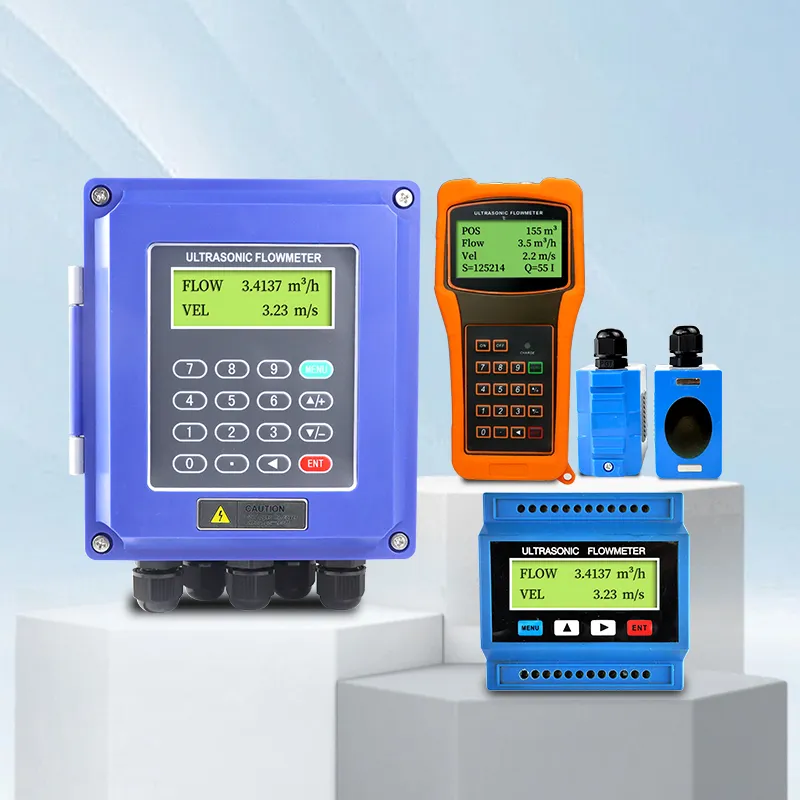
In today's competitive industrial landscape, OEM companies require precise fluid measurement solutions that integrate seamlessly into their existing systems. A professional Liquid Flow Meter Manufacturer understands that standard products rarely meet the unique specifications demanded by original equipment manufacturers. These specialized manufacturers have developed comprehensive customization capabilities to address the diverse requirements of OEM partners across multiple industries, from automotive and pharmaceutical to chemical processing and water treatment applications.
The customization process involves extensive collaboration between the Liquid Flow Meter Manufacturer and OEM clients to ensure optimal performance within specific operational parameters. This partnership approach enables manufacturers to deliver tailored solutions that enhance overall system efficiency while maintaining regulatory compliance and cost-effectiveness. Modern industrial applications demand flow measurement devices that can withstand harsh environmental conditions, provide accurate readings across varying temperature ranges, and integrate with existing control systems without requiring significant infrastructure modifications.
Understanding OEM Customization Requirements
Specific Application Parameters
Every OEM application presents unique challenges that require careful analysis by a qualified Liquid Flow Meter Manufacturer. These parameters include fluid viscosity characteristics, operating temperature ranges, pressure requirements, and chemical compatibility considerations. The manufacturer must evaluate the specific media being measured, whether it involves corrosive chemicals, high-temperature liquids, or fluids containing suspended particles that could affect measurement accuracy.
Flow rate ranges represent another critical customization aspect that directly impacts meter selection and configuration. Some applications require measurement of extremely low flow rates with high precision, while others involve high-volume industrial processes where durability and reliability take priority over ultimate accuracy. A professional Liquid Flow Meter Manufacturer maintains extensive databases of material properties and performance characteristics to recommend optimal solutions for each unique application scenario.
Integration and Interface Requirements
Modern OEM systems often require sophisticated integration capabilities that extend beyond basic flow measurement functionality. Digital communication protocols such as Modbus, Hart, or Profibus enable seamless data exchange with existing control systems and supervisory software platforms. The Liquid Flow Meter Manufacturer must ensure compatibility with various industrial communication standards while providing appropriate signal conditioning and output formatting options.
Physical integration considerations include mounting configurations, electrical connections, and space constraints within existing equipment designs. Custom bracket designs, specialized fittings, and modified housing configurations enable flow meters to fit within tight spaces or unusual orientations required by specific OEM applications. These mechanical customizations often require close collaboration between engineering teams to ensure proper functionality without compromising measurement performance or system reliability.
Engineering and Design Capabilities
Advanced Material Selection
Material compatibility represents a fundamental consideration for any Liquid Flow Meter Manufacturer supporting OEM customization requirements. Different industrial applications expose flow measurement devices to varying chemical environments, temperature extremes, and mechanical stresses that demand specific material properties. Stainless steel variants offer excellent corrosion resistance for food processing and pharmaceutical applications, while specialized alloys provide enhanced durability in chemical processing environments.
Polymer and composite materials have gained popularity for applications involving highly corrosive media or weight-sensitive installations. The Liquid Flow Meter Manufacturer must maintain expertise in material science principles to recommend appropriate wetted materials, gasket compounds, and protective coatings that ensure long-term reliability. This knowledge extends to understanding galvanic compatibility, thermal expansion characteristics, and chemical reaction potential between different materials used in custom configurations.
Precision Manufacturing Processes
Custom flow meter production requires sophisticated manufacturing capabilities that go beyond standard production techniques. Computer-controlled machining centers enable precise fabrication of custom housings, mounting brackets, and specialized fittings that meet exact OEM specifications. The Liquid Flow Meter Manufacturer must maintain quality control systems that ensure consistent performance across custom production runs while meeting delivery schedules that align with OEM production timelines.
Calibration procedures for custom configurations often require specialized test equipment and procedures that replicate actual operating conditions. This includes temperature compensation testing, pressure cycling verification, and long-term stability assessments under simulated field conditions. Advanced manufacturing facilities incorporate environmental chambers, precision flow calibration systems, and automated testing equipment that validate performance specifications before shipment to OEM customers.
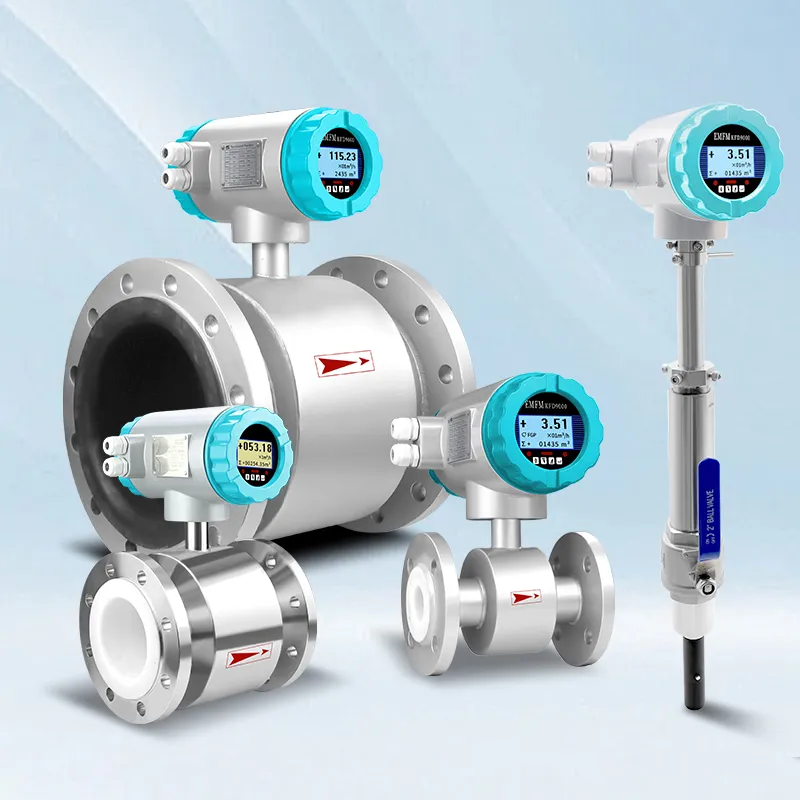
Quality Assurance and Testing Protocols
Comprehensive Validation Procedures
Quality assurance represents a critical aspect of OEM customization support provided by professional Liquid Flow Meter Manufacturer operations. Each custom configuration undergoes rigorous testing protocols that verify performance specifications under various operating conditions. These procedures include accuracy verification across the entire flow range, repeatability testing, and response time measurements that ensure compatibility with dynamic process conditions.
Environmental testing protocols simulate real-world conditions that custom flow meters will encounter in field applications. Temperature cycling tests verify proper operation across specified temperature ranges, while vibration and shock testing ensures mechanical integrity under transportation and operational stresses. The Liquid Flow Meter Manufacturer documents all testing results and provides comprehensive certification packages that support OEM quality documentation requirements and regulatory compliance needs.
Certification and Compliance Support
Regulatory compliance represents an increasingly important consideration for OEM applications, particularly in industries such as pharmaceuticals, food processing, and environmental monitoring. A qualified Liquid Flow Meter Manufacturer maintains current certifications for relevant industry standards including FDA compliance, ATEX certification for explosive environments, and ISO quality management system documentation that supports customer auditing requirements.
Traceability documentation provides detailed records of material sources, manufacturing processes, and calibration procedures that enable OEM customers to meet their own quality assurance obligations. This includes certificate packages that document accuracy specifications, material certifications, and testing results that demonstrate compliance with applicable industry standards and regulatory requirements.
Technical Support and Service Infrastructure
Engineering Collaboration Services
Successful OEM partnerships require ongoing technical support that extends beyond initial product delivery. The Liquid Flow Meter Manufacturer provides engineering consultation services that assist OEM customers with system integration challenges, troubleshooting support, and performance optimization recommendations. This collaborative approach helps identify potential improvements and ensures optimal performance throughout the product lifecycle.
Application engineering support includes computational fluid dynamics analysis for complex installation configurations, vibration analysis for rotating equipment applications, and thermal modeling for high-temperature environments. These advanced engineering services help OEM customers optimize system performance while minimizing installation and operational costs. Technical documentation packages include detailed installation instructions, maintenance procedures, and troubleshooting guides specifically tailored for each custom configuration.
Long-term Partnership Benefits
Establishing long-term relationships with a reliable Liquid Flow Meter Manufacturer provides OEM customers with numerous strategic advantages beyond initial product customization. Ongoing collaboration enables continuous improvement initiatives that enhance product performance, reduce costs, and incorporate new technology developments. This partnership approach often leads to preferred customer status that provides priority access to engineering resources and expedited delivery schedules for urgent requirements.
Technology roadmap discussions help OEM customers plan for future product developments and ensure compatibility with evolving industry standards. The Liquid Flow Meter Manufacturer can provide insights into emerging measurement technologies, regulatory changes, and market trends that influence product development decisions. This forward-looking collaboration ensures that custom solutions remain competitive and compliant with evolving industry requirements.
If you are looking for a reliable Liquid Flow Meter Manufacturer that can provide tailored OEM solutions with strong R&D support, certified quality standards, and proven experience in global industrial applications, contact Jujie today to discuss your requirements and submit your project details for a customized solution.
FAQ
What factors determine customization costs for OEM flow meter applications?
Customization costs depend on several key factors including the complexity of modifications required, production volumes, material specifications, and testing requirements. A qualified Liquid Flow Meter Manufacturer evaluates each project individually, considering engineering time, tooling requirements, special materials, and certification needs. Higher production volumes typically reduce per-unit costs, while specialized materials or extreme operating conditions may increase overall project expenses. Most manufacturers provide detailed cost breakdowns that help OEM customers make informed decisions about customization levels versus standard product alternatives.
How long does the custom flow meter development process typically take?
Development timelines vary significantly based on customization complexity and testing requirements. Simple modifications such as custom fittings or output signals may require 4-6 weeks, while comprehensive custom designs involving new materials or specialized calibrations can take 12-16 weeks or longer. The Liquid Flow Meter Manufacturer typically provides detailed project schedules that outline design phases, prototype development, testing procedures, and production timelines. Early involvement in OEM product development cycles helps minimize delays and ensures optimal integration with overall project schedules.
What documentation and support is provided for custom flow meter configurations?
Comprehensive documentation packages include detailed technical specifications, installation instructions, calibration certificates, material certifications, and maintenance procedures specific to each custom configuration. Most Liquid Flow Meter Manufacturer operations provide CAD drawings, performance curves, and integration guidelines that support OEM engineering activities. Ongoing technical support includes application assistance, troubleshooting guidance, and field service coordination when required. This documentation and support infrastructure ensures successful integration and long-term operational success.
Can existing standard flow meters be modified for specific OEM requirements?
Many standard flow meter platforms can be modified to meet specific OEM requirements through various customization approaches. Common modifications include custom fittings, specialized outputs, modified housings, and application-specific calibrations. However, the extent of possible modifications depends on the base product design and the specific requirements involved. A professional Liquid Flow Meter Manufacturer evaluates each modification request to determine feasibility, cost implications, and performance impacts. In some cases, completely custom designs may be more cost-effective than extensive modifications to standard products.
Table of Contents
- Understanding OEM Customization Requirements
- Engineering and Design Capabilities
- Quality Assurance and Testing Protocols
- Technical Support and Service Infrastructure
-
FAQ
- What factors determine customization costs for OEM flow meter applications?
- How long does the custom flow meter development process typically take?
- What documentation and support is provided for custom flow meter configurations?
- Can existing standard flow meters be modified for specific OEM requirements?