
 EN
EN
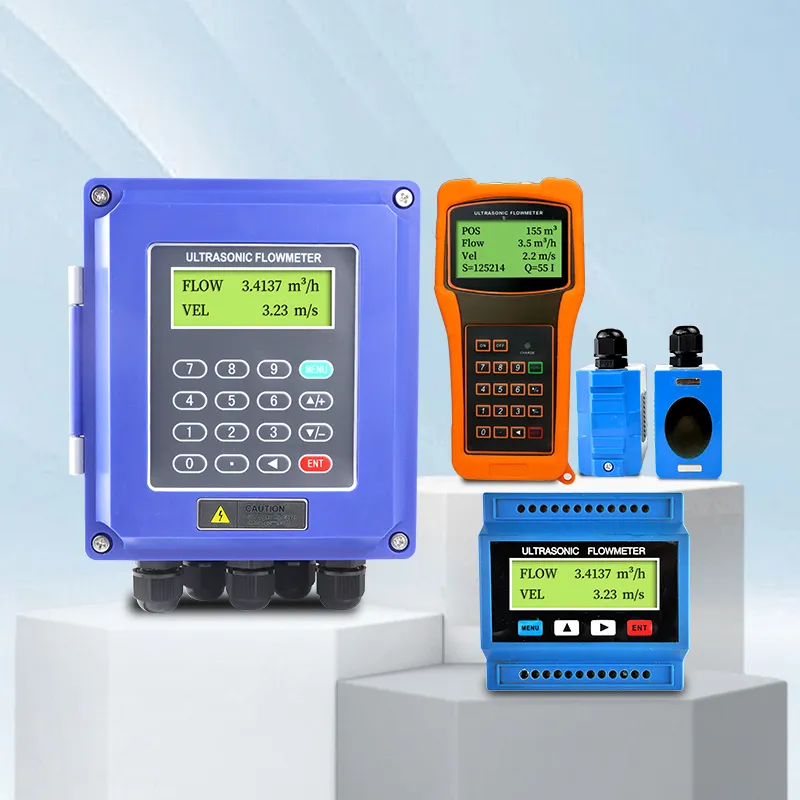
Partner with Jujie Company for complete electromagnetic flow solutions in water treatment. With over 10 years of experience, certified products, and 50,000+ customized projects delivered worldwide, we provide reliable instruments, expert support, and long-term service. Contact us today to upgrade your flow monitoring system.
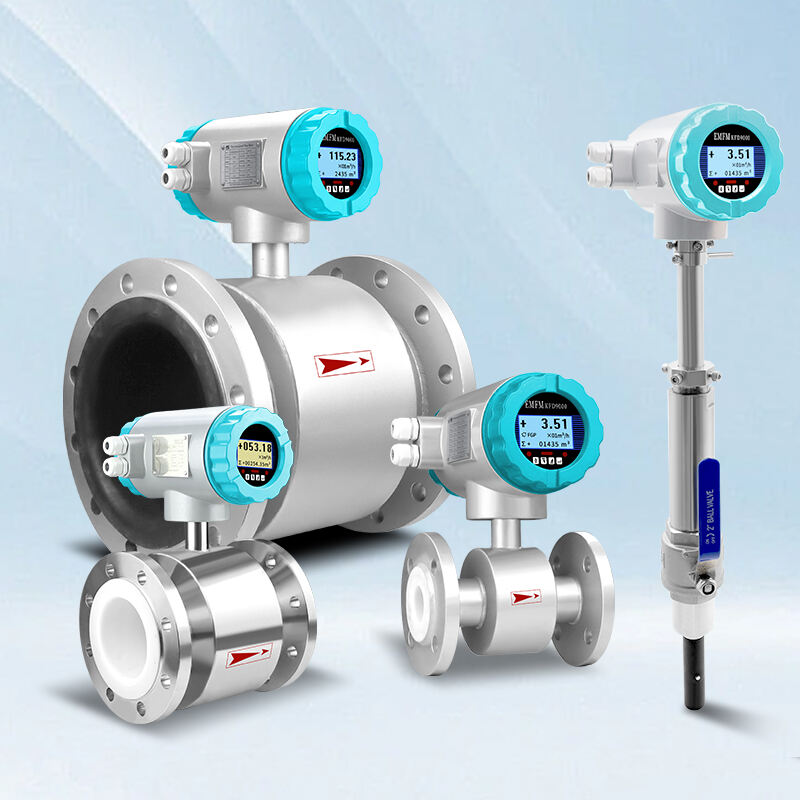
Water treatment suppliers face increasing demands for precise flow measurement solutions that deliver reliability, accuracy, and long-term performance. Modern industrial facilities require sophisticated monitoring systems that can handle diverse fluid types while maintaining consistent measurement precision. An electromagnetic flow meter represents a critical component in comprehensive water treatment operations, offering non-invasive measurement capabilities that traditional mechanical meters cannot match. These advanced instruments provide real-time data essential for optimizing treatment processes, ensuring regulatory compliance, and maintaining operational efficiency across various industrial applications.
Understanding Electromagnetic Flow Measurement Technology
Fundamental Operating Principles
The electromagnetic flow meter operates on Faraday's Law of electromagnetic induction, utilizing magnetic fields to measure conductive fluid velocity without physical contact with the flowing medium. This technology generates a magnetic field perpendicular to the flow direction, inducing voltage proportional to the fluid velocity as conductive liquids pass through the measurement area. Water treatment applications benefit significantly from this non-intrusive measurement approach, as it eliminates pressure drops and mechanical wear associated with traditional flow measurement devices.
Advanced electromagnetic sensors incorporate sophisticated electrode configurations that ensure accurate signal detection across varying conductivity levels. The measurement principle remains consistent regardless of fluid viscosity, density, or temperature variations within operational ranges. This reliability makes electromagnetic flow meters particularly suitable for water treatment processes where fluid characteristics may change throughout different treatment stages.
Technical Advantages in Water Treatment Applications
Water treatment suppliers recognize that electromagnetic flow meter technology offers superior accuracy compared to mechanical alternatives, typically achieving measurement precision within ±0.2% of reading across wide flow ranges. These instruments maintain consistent performance in challenging environments, including applications with suspended solids, varying pH levels, and fluctuating temperatures common in industrial water treatment facilities.
The absence of moving parts in electromagnetic flow meters eliminates maintenance requirements associated with mechanical components, reducing operational costs and minimizing system downtime. This design characteristic proves especially valuable in continuous water treatment operations where measurement interruptions can compromise process control and regulatory compliance. Advanced signal processing algorithms compensate for electromagnetic interference and fluid property variations, ensuring measurement stability under diverse operating conditions.
Comprehensive Solution Components for Water Treatment
Flow Measurement Infrastructure Requirements
Successful electromagnetic flow meter implementation requires comprehensive system design that addresses installation requirements, signal transmission, and data integration needs. Water treatment suppliers must consider pipe sizing, straight run requirements, and electrical grounding specifications to ensure optimal measurement performance. Professional installation practices include proper electrode positioning, magnetic field alignment, and electrical isolation to minimize interference from external sources.
Modern electromagnetic flow measurement systems integrate seamlessly with existing process control infrastructure through standardized communication protocols including analog outputs, digital communications, and wireless transmission capabilities. These connectivity options enable real-time data sharing with supervisory control systems, facilitating automated process adjustments and comprehensive monitoring across multiple measurement points throughout water treatment facilities.
Calibration and Validation Services
Professional calibration services ensure electromagnetic flow meter accuracy meets stringent water treatment industry standards and regulatory requirements. Certified technicians perform comprehensive validation procedures using traceable reference standards, documenting measurement performance across operational flow ranges. This calibration process includes verification of signal linearity, temperature compensation accuracy, and communication interface functionality.
Ongoing validation programs maintain measurement integrity through scheduled recalibration intervals, drift analysis, and performance trending. Water treatment suppliers benefit from documented calibration certificates that demonstrate compliance with quality management systems and regulatory audit requirements. Advanced calibration protocols address specific application challenges including low-conductivity measurements, high-temperature operations, and corrosive fluid handling.
Integration Strategies for Complete Flow Solutions
System Architecture and Communication Networks
Effective electromagnetic flow meter integration requires strategic planning of communication networks that support data collection, analysis, and reporting across distributed water treatment operations. Modern systems utilize industrial ethernet protocols, wireless mesh networks, and cloud-based data platforms to create comprehensive monitoring solutions. These integrated architectures enable centralized oversight of multiple measurement points while maintaining local control capabilities at individual treatment stages.
Data management systems collect and process flow measurement information alongside other process variables including pressure, temperature, chemical dosing rates, and water quality parameters. This integrated approach provides operators with comprehensive process visibility, enabling informed decision-making and proactive maintenance scheduling. Advanced analytics platforms identify measurement trends, detect anomalies, and generate predictive maintenance recommendations based on historical performance data.
Process Optimization and Control Integration
Smart electromagnetic flow meter systems contribute to process optimization through precise flow control that maintains optimal treatment conditions while minimizing energy consumption and chemical usage. Automated control algorithms utilize real-time flow measurements to adjust pump speeds, valve positions, and treatment chemical dosing rates in response to varying demand conditions. This dynamic control capability improves treatment efficiency while reducing operational costs and environmental impact.
Integration with advanced process control systems enables predictive modeling that anticipates treatment requirements based on incoming flow patterns and water quality characteristics. Machine learning algorithms analyze historical data to optimize treatment processes, reduce waste generation, and improve overall system efficiency. These intelligent control strategies rely on accurate flow measurement data provided by electromagnetic flow meter systems to maintain optimal performance across varying operating conditions.
Quality Assurance and Regulatory Compliance
Industry Standards and Certification Requirements
Water treatment electromagnetic flow meter installations must comply with comprehensive industry standards including ISO 9001 quality management systems, NIST traceability requirements, and environmental protection regulations. Professional suppliers maintain certification programs that demonstrate adherence to these standards through documented quality procedures, calibration protocols, and performance validation processes.
Regulatory compliance extends beyond initial installation to encompass ongoing maintenance, calibration verification, and documentation requirements. Water treatment facilities must maintain detailed records of flow measurement accuracy, calibration dates, and performance trends to satisfy regulatory audit requirements. These documentation standards ensure measurement integrity and support environmental reporting obligations across various regulatory jurisdictions.
Performance Monitoring and Maintenance Protocols
Comprehensive maintenance programs ensure electromagnetic flow meter systems maintain optimal performance throughout their operational lifecycle. Preventive maintenance schedules address electrode cleaning, signal cable inspection, and electronic component testing to prevent measurement drift and system failures. These proactive maintenance strategies minimize unplanned downtime while extending instrument service life.
Advanced diagnostic capabilities built into modern electromagnetic flow meters provide continuous system health monitoring, alerting operators to potential issues before they impact measurement accuracy. Predictive maintenance algorithms analyze performance trends to schedule maintenance activities during planned shutdown periods, minimizing operational disruptions while maintaining measurement integrity.
Cost-Effective Implementation Strategies
Total Cost of Ownership Analysis
Electromagnetic flow meter implementation requires comprehensive cost analysis that considers initial equipment costs, installation expenses, ongoing maintenance requirements, and long-term calibration needs. Professional water treatment suppliers provide detailed cost projections that account for system lifecycle expenses including energy consumption, spare parts availability, and technology obsolescence factors.
Return on investment calculations demonstrate the economic benefits of electromagnetic flow meter technology through reduced maintenance costs, improved process efficiency, and enhanced regulatory compliance capabilities. These financial analyses compare total ownership costs against alternative measurement technologies, highlighting the long-term value proposition of electromagnetic measurement solutions in water treatment applications.
Scalability and Future Expansion Planning
Successful electromagnetic flow meter implementations incorporate scalability considerations that accommodate future expansion requirements and technology upgrades. Modular system designs enable incremental capacity additions without requiring complete system replacements, protecting initial investment while supporting operational growth. These scalable architectures utilize standardized communication protocols and component interfaces that facilitate seamless integration of additional measurement points.
Technology roadmap planning ensures electromagnetic flow meter systems remain current with evolving industry standards and communication technologies. Suppliers provide upgrade pathways that incorporate new features and capabilities while maintaining compatibility with existing infrastructure investments. This forward-thinking approach protects long-term system viability while enabling adoption of emerging technologies that enhance measurement capabilities and operational efficiency.
FAQ
What factors determine electromagnetic flow meter accuracy in water treatment applications
Electromagnetic flow meter accuracy depends on proper installation practices, adequate straight pipe runs, appropriate grounding systems, and regular calibration maintenance. Water conductivity levels, temperature stability, and electrode condition significantly impact measurement precision. Professional installation and ongoing maintenance ensure optimal accuracy performance across varying operating conditions typical in water treatment facilities.
How do electromagnetic flow meters handle varying water quality conditions
Advanced electromagnetic flow meters incorporate adaptive signal processing algorithms that compensate for conductivity variations, suspended solids, and temperature fluctuations common in water treatment processes. Multiple electrode configurations and sophisticated filtering techniques maintain measurement stability across diverse water quality conditions while providing consistent accuracy regardless of fluid characteristics.
What communication options are available for electromagnetic flow meter integration
Modern electromagnetic flow meters support comprehensive communication protocols including 4-20mA analog outputs, digital fieldbus networks, Ethernet connectivity, and wireless transmission systems. These options enable seamless integration with existing process control systems, data historians, and supervisory control platforms used in water treatment facilities.
How often should electromagnetic flow meters be calibrated in water treatment applications
Calibration frequency depends on application criticality, regulatory requirements, and operational conditions. Most water treatment facilities schedule annual calibration verification with interim performance checks every six months. Critical applications may require more frequent validation, while stable operating conditions may extend calibration intervals based on documented performance trends and regulatory guidelines.
Table of Contents
- Understanding Electromagnetic Flow Measurement Technology
- Comprehensive Solution Components for Water Treatment
- Integration Strategies for Complete Flow Solutions
- Quality Assurance and Regulatory Compliance
- Cost-Effective Implementation Strategies
-
FAQ
- What factors determine electromagnetic flow meter accuracy in water treatment applications
- How do electromagnetic flow meters handle varying water quality conditions
- What communication options are available for electromagnetic flow meter integration
- How often should electromagnetic flow meters be calibrated in water treatment applications