
 EN
EN
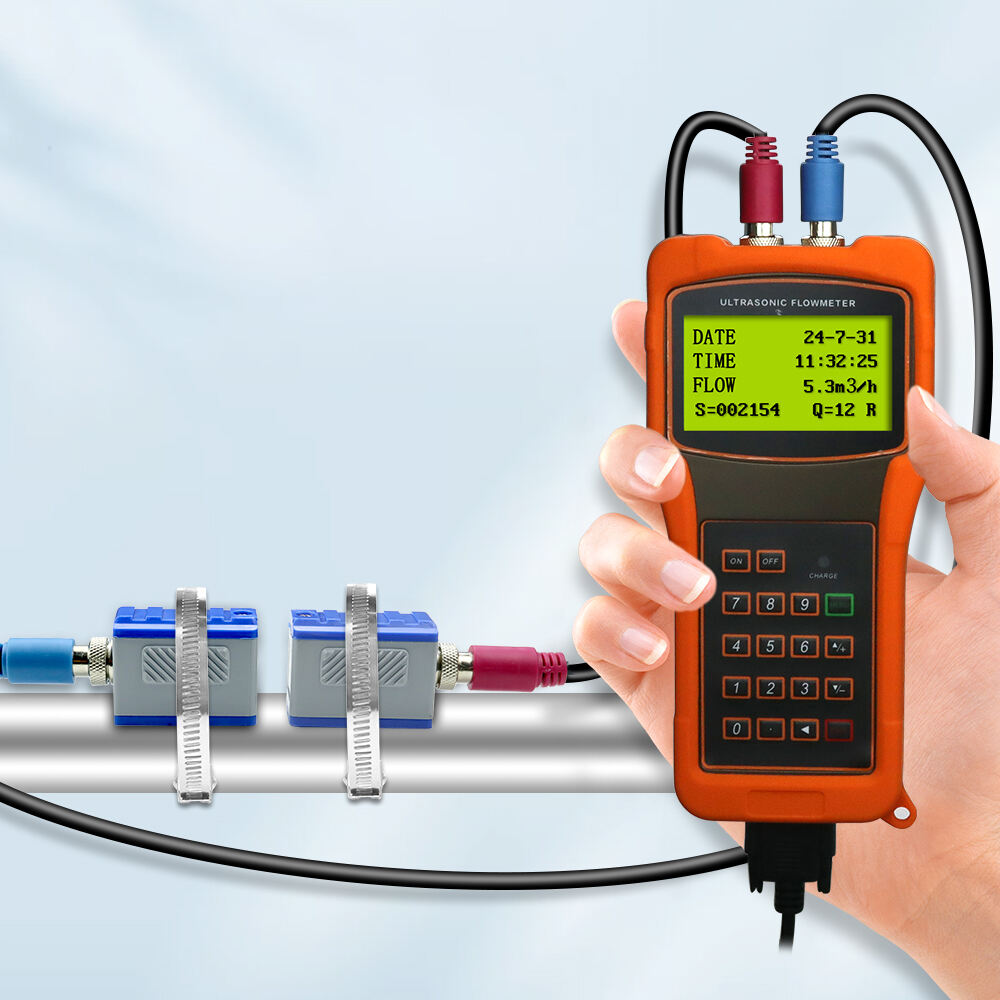
Industrial automation projects demand precision, reliability, and cutting-edge technology to achieve optimal performance. When selecting components for these critical applications, the choice of a Liquid Flow Meter Manufacturer can significantly impact project success. The manufacturing capabilities, technical expertise, and quality standards of flow meter producers directly influence measurement accuracy, system integration, and long-term operational efficiency. Understanding the essential capabilities that distinguish exceptional manufacturers from ordinary suppliers becomes crucial for engineers, project managers, and procurement specialists working in industrial automation environments.
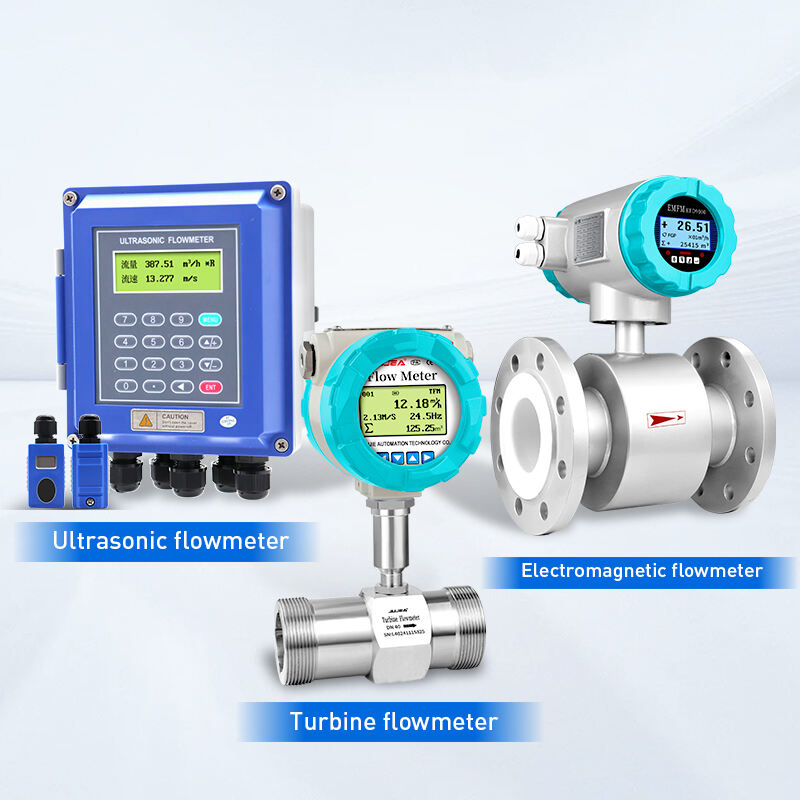
The complexity of modern industrial processes requires flow measurement solutions that can withstand harsh operating conditions while delivering consistent, accurate readings. A competent Liquid Flow Meter Manufacturer must possess comprehensive engineering capabilities, advanced manufacturing facilities, and proven expertise in addressing diverse industrial challenges. These manufacturers serve as strategic partners in automation projects, providing not just products but complete solutions that enhance operational efficiency and ensure regulatory compliance.
Advanced Manufacturing Capabilities and Quality Systems
Precision Engineering and Production Facilities
Leading manufacturers operate state-of-the-art production facilities equipped with precision machining centers, automated assembly lines, and advanced quality control systems. These facilities enable the production of flow meters with tight tolerances and consistent performance characteristics. The manufacturing infrastructure must support various flow meter technologies, including electromagnetic, ultrasonic, turbine, and differential pressure types, each requiring specialized equipment and expertise.
Quality management systems play a fundamental role in ensuring product reliability and consistency. ISO 9001 certification represents the minimum standard, while many top-tier manufacturers also maintain ISO 14001 environmental management systems and OHSAS 18001 occupational health and safety standards. These certifications demonstrate commitment to systematic quality control, continuous improvement, and responsible manufacturing practices that directly benefit industrial automation projects.
Advanced testing capabilities distinguish exceptional manufacturers from competitors. Comprehensive testing protocols include calibration verification, environmental stress testing, electromagnetic compatibility testing, and long-term reliability assessments. These testing procedures ensure that flow meters perform accurately across specified operating ranges and environmental conditions, reducing the risk of measurement errors and system failures in critical applications.
Material Science and Component Selection
The selection of materials and components significantly impacts flow meter performance and longevity. Reliable manufacturers maintain extensive knowledge of material properties, corrosion resistance, and compatibility with various process fluids. This expertise enables the development of flow meters suitable for challenging applications involving corrosive chemicals, high temperatures, extreme pressures, and abrasive media.
Component sourcing strategies reflect manufacturer reliability and quality commitment. Leading companies establish partnerships with reputable component suppliers, implement incoming inspection procedures, and maintain traceability throughout the supply chain. This approach ensures consistent component quality and enables rapid identification and resolution of any quality issues that may arise during production or field operation.
Technical Expertise and Application Knowledge
Industry-Specific Solutions
Different industrial sectors present unique challenges and requirements for flow measurement applications. A capable Liquid Flow Meter Manufacturer demonstrates deep understanding of various industry needs, including chemical processing, water and wastewater treatment, food and beverage production, pharmaceutical manufacturing, and oil and gas operations. This industry knowledge enables manufacturers to develop specialized solutions that address specific regulatory requirements, safety concerns, and operational challenges.
Application engineering support represents a critical capability that separates professional manufacturers from basic suppliers. Experienced application engineers work closely with customers to understand process requirements, fluid characteristics, installation constraints, and performance expectations. This collaborative approach ensures proper flow meter selection, optimal installation practices, and successful system integration within automation architectures.
Customization capabilities enable manufacturers to address unique application requirements that standard products cannot fulfill. This includes modified wetted materials, special electrical connections, custom communication protocols, and application-specific calibration procedures. The ability to provide customized solutions demonstrates manufacturing flexibility and technical competence in addressing complex industrial challenges.
Integration and Communication Technologies
Modern industrial automation systems rely on seamless communication between field devices and control systems. Leading manufacturers develop flow meters with advanced communication capabilities, including HART, Profibus, Foundation Fieldbus, Modbus, and Ethernet-based protocols. These communication technologies enable real-time data exchange, remote configuration, diagnostics, and predictive maintenance capabilities that enhance overall system performance.
Software development capabilities support advanced flow meter functionality and system integration. Sophisticated manufacturers provide configuration software, diagnostic tools, and integration utilities that simplify installation, commissioning, and maintenance procedures. These software tools often include features such as multi-point calibration, data logging, alarm management, and trend analysis capabilities.
Research and Development Capabilities
Innovation and Technology Advancement
Continuous research and development activities drive innovation and technology advancement in flow measurement solutions. Leading manufacturers invest significantly in R&D programs that explore new measurement principles, improve existing technologies, and develop solutions for emerging applications. These investments result in products with enhanced accuracy, improved reliability, and expanded application ranges.
Patent portfolios and intellectual property development indicate manufacturer commitment to innovation and competitive advantage. Companies with extensive patent holdings demonstrate ongoing investment in technology development and provide customers with access to cutting-edge solutions. This intellectual property also protects manufacturers and customers from potential infringement issues and ensures continued technology advancement.
Collaboration with research institutions, universities, and industry organizations enhances manufacturer capabilities and accelerates technology development. These partnerships provide access to advanced research facilities, expert knowledge, and emerging technologies that may not be available through internal resources alone. Such collaborations often result in breakthrough innovations that benefit the entire flow measurement industry.
Future-Ready Technologies
Digital transformation initiatives drive the development of smart flow meters with advanced diagnostic capabilities, predictive maintenance features, and cloud connectivity options. Forward-thinking manufacturers integrate these technologies into their product roadmaps, ensuring that customers have access to solutions that support Industry 4.0 initiatives and digital transformation strategies.
Artificial intelligence and machine learning technologies are increasingly integrated into flow measurement solutions. These technologies enable advanced data analysis, pattern recognition, and predictive capabilities that enhance measurement accuracy and system reliability. Manufacturers that successfully integrate these technologies provide customers with competitive advantages and improved operational efficiency.
Quality Assurance and Certification Standards
International Standards Compliance
Compliance with international standards ensures product quality, safety, and interoperability across global markets. Reliable manufacturers maintain certifications for relevant standards such as IEC 61010 for safety requirements, IEC 61326 for electromagnetic compatibility, and ATEX or IECEx for explosive atmosphere applications. These certifications demonstrate commitment to safety and regulatory compliance in industrial environments.
Calibration traceability to national and international standards provides confidence in measurement accuracy and legal metrology compliance. Manufacturers with accredited calibration facilities or partnerships with accredited calibration laboratories ensure that flow meters meet specified accuracy requirements and maintain traceability throughout the product lifecycle. This capability becomes particularly important in custody transfer, regulatory reporting, and quality control applications.
Third-party testing and validation programs provide independent verification of product performance and quality claims. Reputable manufacturers submit products for testing by independent laboratories and certification bodies, demonstrating transparency and confidence in product capabilities. These third-party validations provide customers with additional assurance regarding product performance and reliability.
Documentation and Compliance Support
Comprehensive documentation packages support proper installation, operation, and maintenance of flow meters throughout their operational lifecycle. Quality manufacturers provide detailed technical specifications, installation guides, operation manuals, troubleshooting procedures, and spare parts information. This documentation ensures that customers can maximize product performance and minimize operational disruptions.
Regulatory compliance support helps customers navigate complex industry regulations and standards. Knowledgeable manufacturers provide guidance on applicable regulations, assist with documentation requirements, and offer products that meet specific regulatory standards. This support reduces compliance risks and simplifies the approval process for industrial automation projects.
Service and Support Infrastructure
Global Service Network
Comprehensive service networks ensure that customers receive timely support regardless of geographic location. Leading manufacturers maintain service centers, authorized distributors, and field service capabilities that provide local support for installation, commissioning, maintenance, and repair services. This global presence reduces response times and ensures consistent service quality across different markets.
Training programs and technical support services enhance customer capabilities and ensure proper product utilization. Professional manufacturers offer comprehensive training courses covering installation procedures, operation principles, troubleshooting techniques, and maintenance best practices. These programs help customers maximize product performance and minimize operational issues through proper handling and maintenance procedures.
Spare parts availability and inventory management systems ensure rapid response to maintenance and repair requirements. Reliable manufacturers maintain strategic spare parts inventories, provide rapid delivery services, and offer parts availability guarantees that minimize equipment downtime. This capability becomes particularly critical in continuous process industries where equipment failures can result in significant production losses.
Technical Support and Consultation
Expert technical support services provide customers with access to specialized knowledge and problem-solving capabilities. Qualified manufacturers maintain teams of experienced engineers and technicians who can assist with application challenges, troubleshooting complex issues, and optimizing system performance. This technical expertise helps customers overcome operational challenges and achieve project objectives.
Remote diagnostic capabilities enable manufacturers to provide rapid support without requiring on-site visits. Advanced flow meters with communication capabilities allow remote monitoring, configuration changes, and diagnostic procedures that can resolve many issues quickly and efficiently. This capability reduces service costs and minimizes equipment downtime in critical applications.
FAQ
What certifications should I look for when selecting a Liquid Flow Meter Manufacturer
Key certifications include ISO 9001 quality management systems, industry-specific safety certifications such as ATEX or IECEx for hazardous areas, and relevant international standards compliance including IEC 61010 for safety and IEC 61326 for electromagnetic compatibility. Additionally, look for calibration laboratory accreditations and third-party performance validations that demonstrate commitment to quality and accuracy standards.
How important is customization capability when choosing a flow meter manufacturer
Customization capability is extremely important for industrial automation projects with unique requirements. A flexible Liquid Flow Meter Manufacturer should offer modifications such as special materials for corrosive applications, custom communication protocols for system integration, modified mechanical configurations for space constraints, and application-specific calibration procedures. This flexibility ensures optimal performance in specialized applications where standard products may not be suitable.
What role does research and development play in manufacturer selection
Strong research and development capabilities indicate a manufacturer's commitment to innovation and future technology advancement. Companies with active R&D programs are more likely to provide cutting-edge solutions, maintain product competitiveness, and offer long-term support for evolving industrial requirements. Look for manufacturers with patent portfolios, university partnerships, and proven track records of technology innovation.
How can I evaluate a manufacturer's service and support capabilities
Evaluate service capabilities by examining geographic coverage, response time commitments, technical support availability, training programs, and spare parts inventory. Request references from existing customers in similar applications and industries. Consider manufacturers with local service presence, comprehensive training offerings, and demonstrated expertise in your specific industrial sector to ensure reliable long-term support for your automation projects.
Table of Contents
- Advanced Manufacturing Capabilities and Quality Systems
- Technical Expertise and Application Knowledge
- Research and Development Capabilities
- Quality Assurance and Certification Standards
- Service and Support Infrastructure
-
FAQ
- What certifications should I look for when selecting a Liquid Flow Meter Manufacturer
- How important is customization capability when choosing a flow meter manufacturer
- What role does research and development play in manufacturer selection
- How can I evaluate a manufacturer's service and support capabilities