
 EN
EN
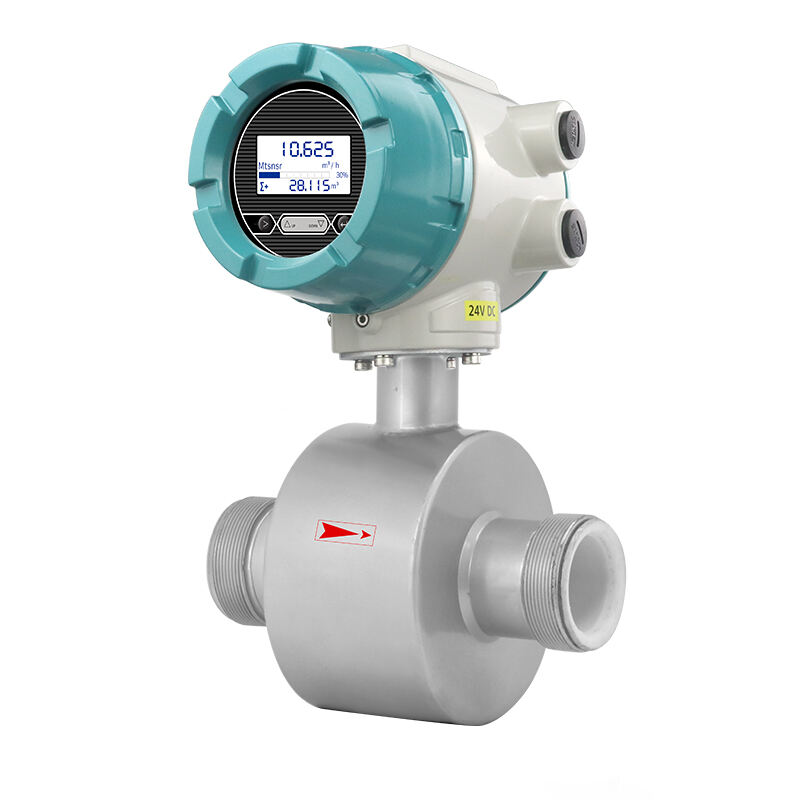
Industrial process optimization demands precise measurement solutions, and electromagnetic flow meters have emerged as critical instruments across diverse manufacturing sectors. These advanced devices provide accurate flow measurement for conductive liquids, enabling industries to maintain operational efficiency while meeting strict regulatory compliance standards. Manufacturing facilities worldwide rely on these sophisticated measurement systems to monitor everything from chemical processing streams to water treatment operations, ensuring both productivity and safety remain at optimal levels.
Understanding Industrial Flow Measurement Requirements
Complex Application Environments
Modern industrial facilities present unique challenges that require specialized measurement solutions tailored to specific operational conditions. Chemical processing plants, for instance, handle corrosive substances that demand materials resistant to aggressive media, while food and beverage manufacturers need instruments that meet stringent sanitary standards. The electromagnetic flow meter technology addresses these diverse requirements through customizable sensor designs and protective coatings that ensure long-term reliability in harsh environments.
Temperature variations, pressure fluctuations, and vibration levels further complicate measurement scenarios across different industrial sectors. Mining operations expose instruments to abrasive slurries, pharmaceutical facilities require validation-ready documentation, and power generation plants demand high-temperature capability. Each application environment necessitates careful consideration of mounting configurations, cable specifications, and housing materials to achieve optimal performance throughout the instrument lifecycle.
Precision Standards and Accuracy Demands
Industrial process control systems require measurement accuracy levels that often exceed standard instrument specifications, particularly in applications involving expensive raw materials or critical quality parameters. Custody transfer applications, where fluid quantities directly impact financial transactions, demand measurement uncertainties below 0.2% of reading. Similarly, batch processing operations rely on precise volume measurements to ensure consistent product quality and minimize material waste.
Regulatory compliance adds another layer of accuracy requirements, as industries like pharmaceuticals and food processing must demonstrate measurement traceability to national standards. Environmental monitoring applications also require certified accuracy levels to satisfy government reporting obligations. These demanding specifications drive the need for custom calibration procedures, enhanced signal processing algorithms, and specialized verification protocols that standard instruments cannot always provide.
Custom Engineering Capabilities in Flow Measurement
Specialized Sensor Design Modifications
Leading manufacturers invest heavily in engineering capabilities that enable sensor modifications beyond standard product offerings, allowing them to address unique measurement challenges across industrial applications. Custom electrode materials, including exotic alloys and specialized coatings, provide compatibility with aggressive chemicals that would damage conventional sensors. Liner materials can be selected from expanded material libraries to match specific process media characteristics, ensuring long-term measurement stability.
Mechanical design modifications encompass everything from non-standard flange configurations to specialized grounding ring assemblies that accommodate unique piping systems. Some applications require sensors with extended insertion lengths for large-diameter pipelines, while others need compact designs for space-constrained installations. Custom flow straightening profiles and electrode positioning can optimize measurement performance in challenging flow conditions where standard sensors might struggle to maintain accuracy.
Advanced Signal Processing Solutions
Modern electromagnetic flow measurement systems incorporate sophisticated digital signal processing capabilities that can be customized to address specific application requirements and environmental challenges. Advanced filtering algorithms help eliminate interference from variable frequency drives, welding equipment, and other electromagnetic noise sources common in industrial environments. Custom excitation frequencies can be programmed to avoid specific interference patterns unique to individual facilities.
Multi-parameter measurement capabilities allow single instruments to provide additional process insights beyond basic flow measurement, including conductivity monitoring, temperature compensation, and empty pipe detection. Custom diagnostic algorithms can be developed to monitor sensor condition, detect coating buildup, and predict maintenance requirements based on signal characteristics. These enhanced capabilities transform basic electromagnetic flow meter systems into comprehensive process monitoring solutions.
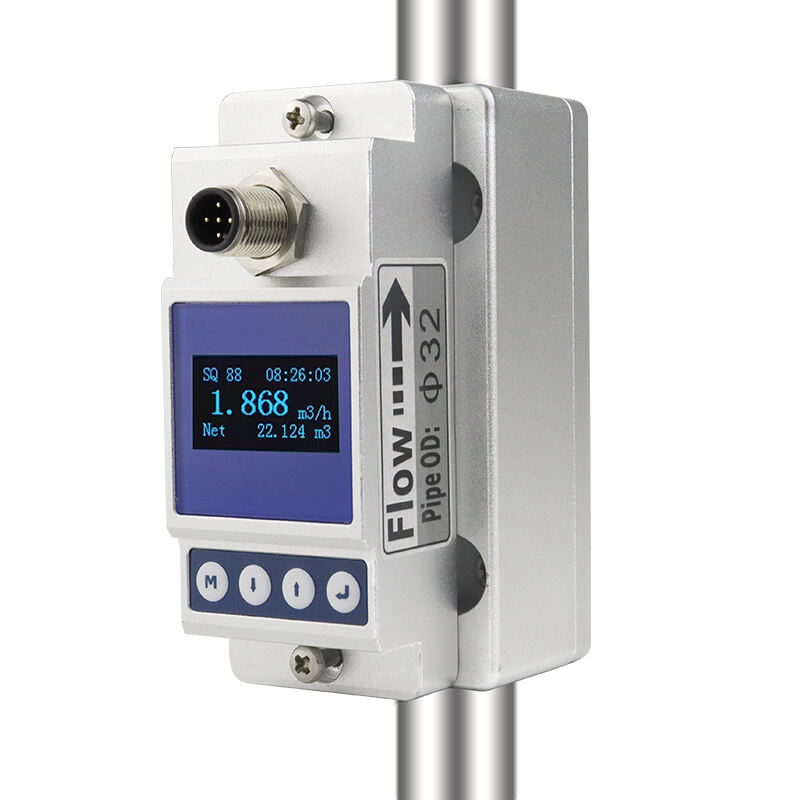
Integration with Industrial Control Systems
Communication Protocol Customization
Industrial facilities often employ legacy control systems that require specialized communication interfaces not available in standard instrument configurations. Custom protocol development enables electromagnetic flow meters to integrate seamlessly with proprietary control platforms, ensuring reliable data transmission without requiring expensive system upgrades. Protocol customization also addresses specific data formatting requirements, alarm handling procedures, and diagnostic information sharing that varies between different control system architectures.
Network security considerations have become increasingly important as industrial systems connect to corporate networks and cloud-based monitoring platforms. Custom cybersecurity implementations include encrypted communication protocols, secure authentication procedures, and network segmentation capabilities that protect critical process data while maintaining operational visibility. These security enhancements ensure that flow measurement data remains protected throughout the entire industrial network infrastructure.
User Interface and Display Customization
Operator interaction requirements vary significantly across different industrial applications, driving demand for customized user interfaces that present information in formats optimized for specific operational workflows. Custom display configurations can emphasize critical process parameters, provide trend information relevant to particular applications, and organize alarm information according to facility-specific priorities. Multi-language support and custom units of measurement ensure that operators can work efficiently regardless of their background or regional preferences.
Remote monitoring capabilities require customized web interfaces and mobile applications that provide secure access to flow measurement data from any location. Custom dashboard designs can consolidate information from multiple measurement points, present data in application-specific formats, and provide automated reporting capabilities that support operational decision-making. These user interface customizations transform complex measurement data into actionable information that drives improved process performance.
Quality Assurance and Validation Services
Custom Calibration and Testing Procedures
Specialized industrial applications often require calibration procedures that exceed standard factory testing protocols to ensure measurement accuracy under specific operating conditions. Custom calibration services include testing with actual process media, validation at operating temperature and pressure conditions, and verification of measurement performance across extended flow ranges. These comprehensive testing procedures provide documented evidence of instrument performance that supports regulatory compliance and quality management systems.
Traceable calibration certificates with extended uncertainty analysis help facilities demonstrate measurement accuracy to regulatory authorities and customers. Custom test procedures can simulate specific process conditions, validate measurement repeatability over time, and document instrument response to various flow disturbances. These detailed validation services provide the confidence necessary for critical measurement applications where accuracy directly impacts product quality or regulatory compliance.
Documentation and Compliance Support
Regulatory compliance in industries like pharmaceuticals, food processing, and nuclear power requires extensive documentation that demonstrates instrument qualification and ongoing performance validation. Custom documentation packages include detailed design specifications, material certifications, calibration procedures, and maintenance protocols tailored to specific regulatory frameworks. These comprehensive documentation sets support facility validation activities and regulatory inspections.
Change control procedures and configuration management services help facilities maintain measurement system integrity throughout the instrument lifecycle. Custom documentation systems track configuration changes, maintain calibration histories, and provide audit trails that demonstrate ongoing compliance with quality management standards. These services ensure that electromagnetic flow measurement systems continue to meet regulatory requirements while supporting continuous improvement initiatives.
Long-term Support and Maintenance Solutions
Predictive Maintenance and Monitoring
Advanced electromagnetic flow meter systems incorporate sophisticated diagnostic capabilities that enable predictive maintenance strategies, reducing unplanned downtime and optimizing maintenance resource allocation. Custom diagnostic algorithms analyze signal characteristics, electrode impedance trends, and communication patterns to identify potential issues before they impact measurement accuracy. These predictive capabilities allow maintenance teams to schedule interventions during planned outages rather than responding to emergency failures.
Remote monitoring services provide continuous oversight of instrument performance, alerting maintenance teams to developing issues and recommending specific corrective actions. Custom monitoring protocols can be tailored to individual facility requirements, providing detailed performance reports that support maintenance planning and budgeting activities. These services transform maintenance from reactive to proactive, significantly improving measurement system reliability and reducing total ownership costs.
Spare Parts and Component Availability
Custom electromagnetic flow measurement systems require dedicated spare parts management to ensure continued operation throughout extended service lives. Manufacturers provide comprehensive spare parts programs that include custom components, extended warranty coverage, and expedited delivery services for critical applications. These programs ensure that specialized components remain available even as standard product lines evolve, protecting long-term investment in custom measurement solutions.
Component obsolescence management services help facilities plan for technology transitions while maintaining measurement system performance. Custom upgrade paths can incorporate new technology capabilities while preserving existing calibrations and configuration data. These services ensure that electromagnetic flow measurement systems continue to provide reliable service throughout facility lifecycles, supporting long-term operational strategies and investment planning.
FAQ
What factors determine if a custom electromagnetic flow meter solution is necessary for an industrial application
The need for custom electromagnetic flow meter solutions typically arises when standard instruments cannot meet specific application requirements related to measurement accuracy, environmental conditions, or integration constraints. Factors include extreme temperature or pressure conditions, compatibility with aggressive chemicals, non-standard pipe sizes, specialized mounting requirements, or unique communication protocol needs. Regulatory compliance requirements, particularly in pharmaceutical or food processing applications, often drive customization needs for validation documentation and specialized materials.
How long does the development and delivery process typically take for custom electromagnetic flow meter solutions
Development timelines for custom electromagnetic flow meter solutions vary depending on the complexity of modifications required, ranging from 4-6 weeks for simple configuration changes to 12-16 weeks for extensive mechanical or electronic modifications. The process includes initial consultation and requirements analysis, custom design and engineering, prototype development and testing, final validation, and manufacturing. Rush delivery options may be available for critical applications, though extended lead times should be planned when possible to ensure thorough testing and validation.
What ongoing support services are available for custom electromagnetic flow meter installations
Comprehensive support services for custom electromagnetic flow meter systems include remote diagnostic monitoring, predictive maintenance programs, calibration services, spare parts management, and technical support from specialized engineering teams. Many manufacturers offer service contracts that provide regular maintenance visits, performance verification, and documentation updates to maintain regulatory compliance. Training programs for maintenance personnel and operators ensure proper system operation and troubleshooting capabilities throughout the instrument lifecycle.
How do manufacturers ensure measurement accuracy and reliability in custom electromagnetic flow meter designs
Manufacturers maintain accuracy and reliability in custom designs through rigorous testing protocols that include flow calibration with multiple reference standards, environmental stress testing, and long-term stability verification. Custom designs undergo the same quality assurance procedures as standard products, with additional validation specific to application requirements. Traceable calibration certificates, material certifications, and comprehensive documentation ensure that custom instruments meet or exceed accuracy specifications while maintaining compliance with relevant industry standards and regulations.
Table of Contents
- Understanding Industrial Flow Measurement Requirements
- Custom Engineering Capabilities in Flow Measurement
- Integration with Industrial Control Systems
- Quality Assurance and Validation Services
- Long-term Support and Maintenance Solutions
-
FAQ
- What factors determine if a custom electromagnetic flow meter solution is necessary for an industrial application
- How long does the development and delivery process typically take for custom electromagnetic flow meter solutions
- What ongoing support services are available for custom electromagnetic flow meter installations
- How do manufacturers ensure measurement accuracy and reliability in custom electromagnetic flow meter designs