
 EN
EN
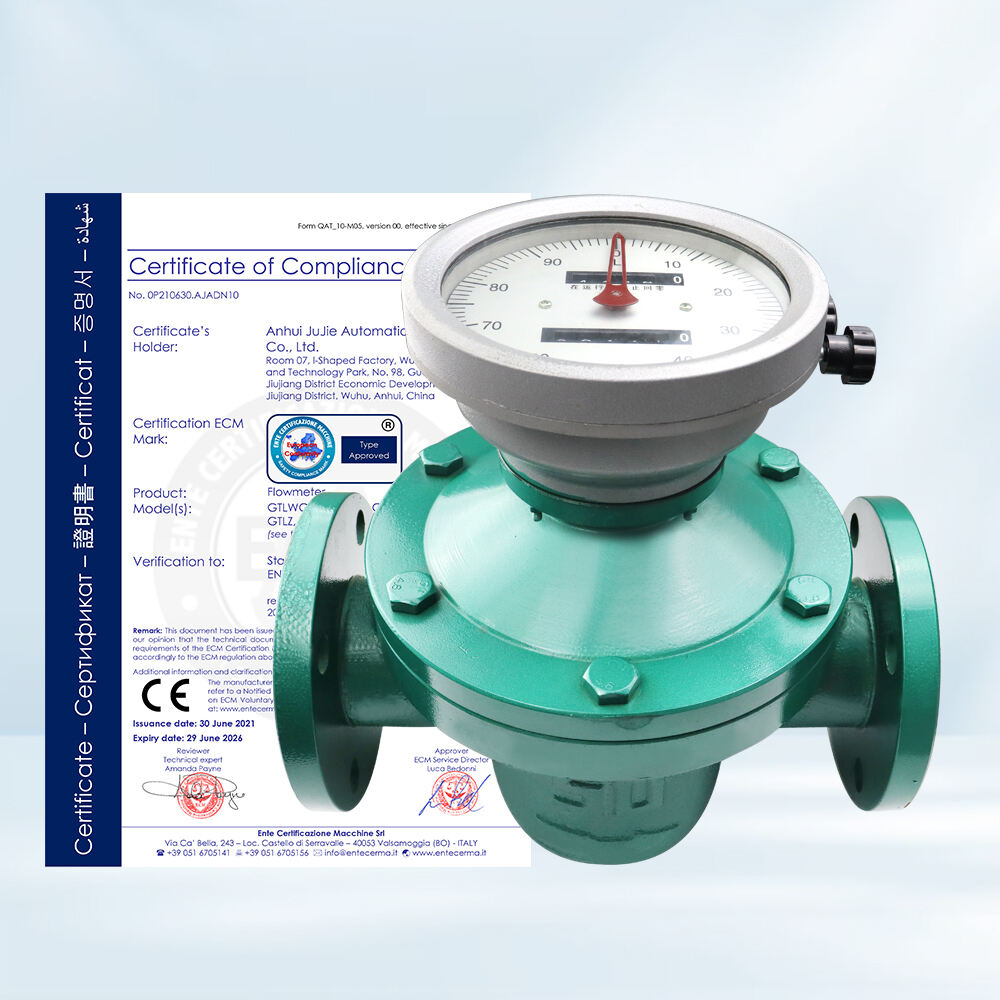
The industrial landscape demands precise measurement solutions, particularly when dealing with hydraulic systems that power critical machinery across manufacturing, construction, and automotive sectors. Hydraulic oil flow meter manufacturers face increasing pressure to deliver customized solutions that meet specific client requirements while maintaining accuracy and reliability standards. Understanding how these manufacturers approach customization reveals the intricate balance between technical innovation and practical application in modern industrial environments.
Understanding Client Requirements in Hydraulic Flow Measurement
Industry-Specific Performance Demands
Manufacturing companies operating heavy machinery require hydraulic oil flow meter solutions that can withstand extreme operating conditions while delivering consistent accuracy. These environments often involve temperature fluctuations, pressure variations, and contamination levels that standard meters cannot handle effectively. Manufacturers must evaluate each client's operational parameters to determine the appropriate sensor technology, housing materials, and calibration requirements.
Construction equipment operators face unique challenges related to mobile applications and harsh environmental conditions. Their hydraulic oil flow meter needs typically include compact designs, wireless connectivity options, and rugged construction capable of withstanding vibrations and impact forces. Understanding these specific requirements enables manufacturers to develop targeted solutions that enhance equipment performance and reduce maintenance costs.
Technical Specification Alignment
Flow rate ranges represent a critical customization factor that manufacturers must address during the design phase. Some applications require measurement capabilities spanning from milliliters per minute to thousands of liters per hour, necessitating different sensor technologies and signal processing approaches. Precision requirements vary significantly across industries, with some applications demanding accuracy within 0.1 percent while others accept broader tolerance ranges.
Pressure ratings constitute another essential specification that influences meter design and material selection. High-pressure hydraulic systems operating above 5000 PSI require specialized components and testing protocols to ensure safety and reliability. Manufacturers must balance cost considerations with performance requirements to deliver optimal solutions that meet client expectations without exceeding budget constraints.
Material Selection and Component Customization
Housing and Wetted Parts Engineering
Stainless steel grades offer excellent corrosion resistance for standard hydraulic applications, but specialized environments may require exotic alloys or coating treatments. Manufacturers evaluate fluid compatibility, temperature exposure, and chemical resistance requirements to select appropriate materials for meter construction. Some applications involve synthetic hydraulic fluids or bio-based alternatives that exhibit different chemical properties compared to traditional petroleum-based oils.
Seal materials require careful consideration based on fluid types, temperature ranges, and pressure conditions. Manufacturers maintain extensive compatibility charts to guide material selection and prevent premature failure due to chemical degradation. Custom seal configurations may be necessary for applications involving rapid pressure cycling or extreme temperature variations that exceed standard component capabilities.
Sensor Technology Adaptation
Positive displacement meters provide excellent accuracy for clean hydraulic fluids but may require modifications for applications involving contaminated oils or varying viscosity conditions. Manufacturers can adjust gear ratios, clearances, and materials to optimize performance for specific fluid characteristics. Some clients require hydraulic oil flow meter solutions with multiple output options to interface with different control systems simultaneously.
Turbine-based sensors offer advantages for high-flow applications but require customization for low-viscosity fluids or applications with significant temperature variations. Manufacturers can modify rotor designs, bearing materials, and magnetic coupling arrangements to enhance sensitivity and reduce maintenance requirements. Electronic signal conditioning may require adjustment to accommodate different pulse rates and output signal formats specified by clients.
Electronic Integration and Communication Capabilities
Output Signal Customization
Modern hydraulic oil flow meter applications often require multiple simultaneous output signals to support different monitoring and control functions. Manufacturers can configure meters to provide analog voltage or current signals alongside digital pulse outputs, enabling integration with legacy systems and modern programmable controllers. Some clients require custom scaling factors or linearization curves to match specific system requirements.
Communication protocol support represents an increasingly important customization area as industrial facilities adopt advanced monitoring systems. Manufacturers must accommodate various fieldbus standards, wireless protocols, and cloud connectivity requirements while maintaining measurement accuracy and reliability. Custom firmware development may be necessary to support proprietary communication protocols or specialized data formatting requirements.
Display and User Interface Modifications
Local display requirements vary significantly based on installation environments and operator preferences. Some applications require large, high-contrast displays for outdoor visibility, while others benefit from compact designs with backlit screens for indoor use. Manufacturers can customize display units to show specific engineering units, totalized values, or diagnostic information based on client preferences.
User interface customization extends beyond basic display functions to include alarm thresholds, data logging capabilities, and configuration access levels. Advanced applications may require password protection, audit trails, or integration with existing plant security systems. Manufacturers must balance functionality with cost considerations while ensuring compliance with relevant industry standards and safety requirements.
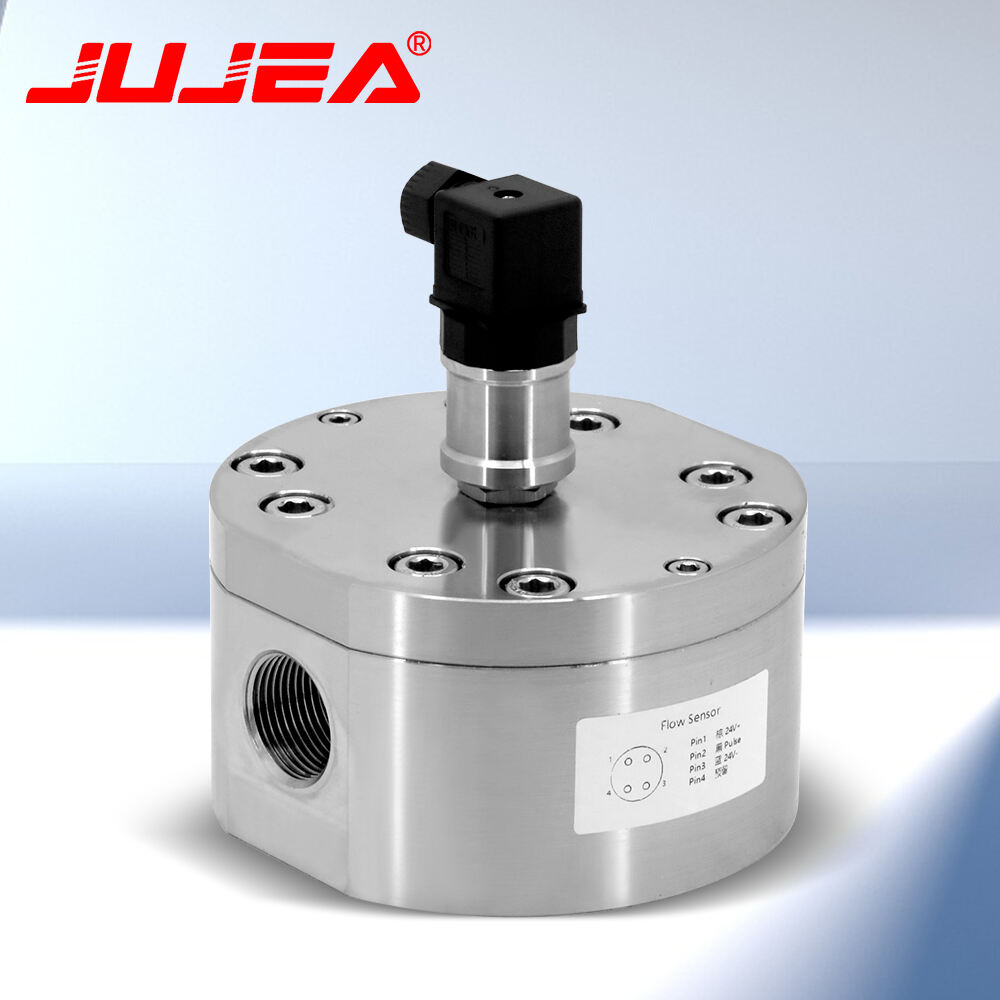
Testing and Validation Protocols
Calibration Standard Development
Custom hydraulic oil flow meter solutions often require specialized calibration procedures that account for specific fluid properties and operating conditions. Manufacturers establish traceability to national standards while accommodating client-specific accuracy requirements and measurement uncertainty budgets. Some applications require field calibration capabilities or remote calibration verification to minimize downtime during maintenance activities.
Temperature compensation algorithms may require adjustment based on the specific hydraulic fluid formulations and operating temperature ranges encountered in client applications. Manufacturers conduct extensive testing to characterize thermal effects and develop appropriate correction factors. Pressure compensation considerations become critical for applications involving significant pressure variations that could affect measurement accuracy.
Environmental Testing Adaptations
Vibration testing protocols must reflect the actual operating conditions encountered in client applications, which may exceed standard industrial specifications. Manufacturers design custom test fixtures and procedures to validate performance under realistic conditions. Shock testing requirements vary based on mobile versus stationary applications, with construction equipment requiring more stringent qualification criteria.
Electromagnetic compatibility testing ensures proper operation in electrically noisy environments common in industrial facilities. Custom shielding solutions or filtering circuits may be necessary to maintain measurement accuracy in the presence of variable frequency drives, welding equipment, or radio frequency interference sources. Manufacturers must balance EMC performance with cost and size constraints while meeting applicable regulatory requirements.
Installation and Maintenance Considerations
Mounting Configuration Flexibility
Space constraints in hydraulic systems often necessitate custom mounting solutions that accommodate existing piping layouts and accessibility requirements. Manufacturers can modify meter orientation, connection types, and overall dimensions to facilitate installation in challenging locations. Some applications require removable sensors or hot-tap installation capabilities to avoid system shutdown during meter installation or replacement.
Piping integration considerations include flow conditioning requirements, straight-run specifications, and turbulence minimization strategies. Custom flow straighteners or inlet/outlet configurations may be necessary to achieve specified accuracy in installations with limited straight pipe runs. Manufacturers must evaluate upstream and downstream effects while maintaining measurement performance and minimizing pressure losses.
Maintenance Access and Serviceability
Predictive maintenance capabilities represent an increasingly important customization area as facilities adopt condition-based maintenance strategies. Hydraulic oil flow meter manufacturers can integrate diagnostic sensors, trend monitoring functions, and remote health assessment capabilities to optimize maintenance scheduling. Custom maintenance procedures and training programs ensure proper long-term performance while minimizing operational disruptions.
Component accessibility modifications may be necessary for applications in remote locations or hazardous environments where maintenance activities face significant constraints. Manufacturers can design modular architectures that enable field replacement of key components without removing the entire meter assembly. Special tools or procedures may be developed to support maintenance activities while ensuring personnel safety and system integrity.
FAQ
What factors influence the cost of custom hydraulic oil flow meter solutions?
Custom hydraulic oil flow meter pricing depends on several key factors including material specifications, sensor technology complexity, electronic integration requirements, and production quantities. Exotic materials or specialized coatings increase costs significantly compared to standard stainless steel construction. Advanced electronic features such as wireless connectivity, multiple output signals, or custom communication protocols require additional development and testing investments that affect overall pricing.
How long does the customization process typically take from initial consultation to delivery?
The customization timeline for hydraulic oil flow meter solutions varies based on the complexity of modifications required and current production schedules. Simple customizations such as different connection sizes or output signal configurations may require 4-6 weeks from order placement to delivery. Complex modifications involving new materials, custom electronics, or extensive testing protocols can extend the timeline to 12-16 weeks or longer depending on engineering requirements and validation activities.
Can manufacturers provide field testing services to validate performance before full implementation?
Many hydraulic oil flow meter manufacturers offer field testing services to validate custom solutions under actual operating conditions before committing to full-scale implementation. These services typically include temporary installation, performance monitoring, and data analysis to ensure the customized meter meets specified requirements. Field testing helps identify potential issues and allows for final adjustments before production quantities are manufactured and deployed.
What documentation and support services accompany custom hydraulic oil flow meter solutions?
Comprehensive documentation packages typically accompany custom hydraulic oil flow meter solutions, including detailed specifications, installation procedures, calibration certificates, and maintenance guidelines. Many manufacturers provide ongoing technical support, training programs, and spare parts availability to ensure long-term success of customized installations. Documentation often includes custom drawings, material certificates, and test reports specific to the client's application requirements and quality standards.
Table of Contents
- Understanding Client Requirements in Hydraulic Flow Measurement
- Material Selection and Component Customization
- Electronic Integration and Communication Capabilities
- Testing and Validation Protocols
- Installation and Maintenance Considerations
-
FAQ
- What factors influence the cost of custom hydraulic oil flow meter solutions?
- How long does the customization process typically take from initial consultation to delivery?
- Can manufacturers provide field testing services to validate performance before full implementation?
- What documentation and support services accompany custom hydraulic oil flow meter solutions?