
 EN
EN
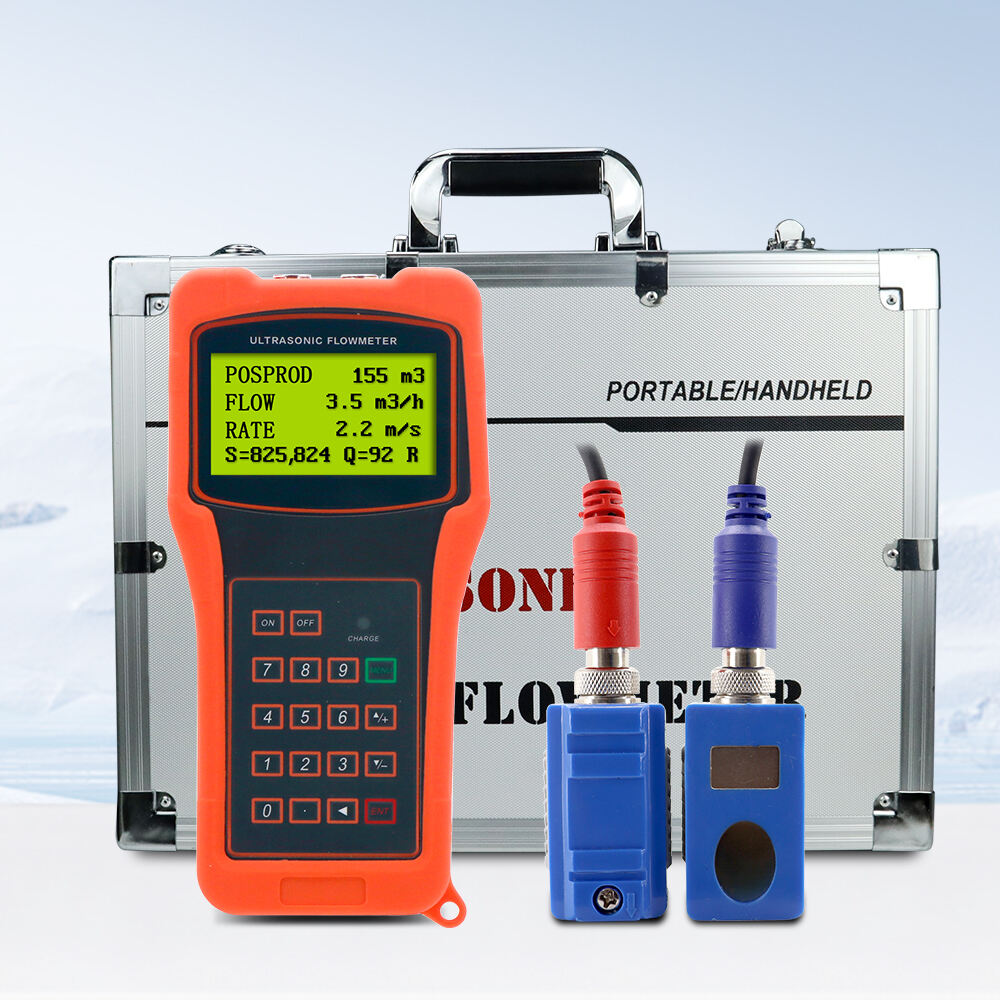
The success of industrial flow measurement projects depends heavily on choosing the right equipment and receiving comprehensive support throughout the implementation process. Modern manufacturing facilities, water treatment plants, and energy sectors rely on precise flow measurement technologies that require expert guidance from installation through ongoing maintenance. Professional ultrasonic flow meter suppliers have evolved beyond simple product vendors to become strategic partners offering comprehensive technical support services that ensure optimal system performance and long-term reliability.
Industrial flow measurement systems represent significant capital investments that require careful planning, precise installation, and ongoing technical support to deliver expected returns. The complexity of modern ultrasonic flow measurement technology demands specialized knowledge that goes beyond basic installation procedures. Leading suppliers understand this challenge and have developed comprehensive support frameworks that address every aspect of system implementation and operation.
Pre-Installation Planning and Site Assessment Services
Comprehensive Site Evaluation Protocols
Professional ultrasonic flow meter suppliers begin their support process with detailed site assessments that evaluate existing infrastructure, piping systems, and environmental conditions. These evaluations identify potential challenges before installation begins, allowing engineering teams to develop customized solutions that address specific site requirements. Experienced suppliers conduct thorough pipe condition assessments, examining wall thickness variations, internal scaling, and material composition to determine optimal sensor placement and configuration parameters.
Site evaluation protocols typically include detailed measurements of pipe diameters, wall thicknesses, and material specifications that directly impact ultrasonic signal transmission. Suppliers utilize advanced diagnostic equipment to assess pipe conditions and identify areas where special installation considerations may be required. Environmental factors such as ambient temperature variations, electromagnetic interference sources, and accessibility constraints are carefully documented to inform installation planning and equipment selection decisions.
Application-Specific Configuration Planning
Leading suppliers work closely with facility engineers to understand specific measurement requirements and develop configuration strategies that optimize system performance for intended applications. This planning process considers fluid characteristics, flow patterns, measurement accuracy requirements, and integration needs with existing control systems. Suppliers provide detailed application analysis that examines fluid properties, expected flow ranges, and operational parameters to ensure selected equipment configurations will deliver required performance levels.
Configuration planning encompasses sensor selection, mounting hardware specifications, and signal processing parameter optimization based on specific application requirements. Ultrasonic flow meter suppliers utilize sophisticated modeling software to predict system performance under various operating conditions and recommend configuration adjustments that maximize measurement accuracy and system reliability. This proactive approach helps prevent common installation issues and ensures systems meet performance expectations from initial startup.
Installation Support and Technical Guidance
On-Site Installation Supervision
Experienced suppliers provide on-site installation supervision services that ensure proper equipment mounting, sensor positioning, and system configuration according to manufacturer specifications and industry best practices. Installation supervisors bring specialized knowledge of ultrasonic flow measurement technology and can identify potential issues before they impact system performance. These professionals work directly with facility maintenance teams to transfer installation knowledge and establish proper procedures for future maintenance activities.
Installation supervision includes verification of mounting hardware integrity, sensor alignment accuracy, and signal cable routing that minimizes interference potential. Supervisors conduct comprehensive system checks during installation to verify proper sensor coupling, signal quality parameters, and measurement accuracy across expected operating ranges. This hands-on support ensures installations meet manufacturer specifications and provides facility personnel with practical experience in system operation and basic troubleshooting procedures.
Commissioning and Calibration Services
Professional commissioning services ensure ultrasonic flow measurement systems operate at peak performance levels from initial startup through long-term operation. Suppliers conduct detailed calibration procedures that verify measurement accuracy across full operating ranges and document system performance parameters for future reference. Commissioning activities include comprehensive system testing, parameter optimization, and performance verification that confirms systems meet specified accuracy requirements.
Calibration services encompass both initial system setup and ongoing verification procedures that maintain measurement accuracy over time. Suppliers provide detailed calibration documentation that includes measurement uncertainty analysis, traceability certificates, and recommended calibration intervals based on application requirements and operating conditions. Advanced suppliers offer remote calibration verification services that enable periodic accuracy checks without requiring on-site visits, reducing maintenance costs while ensuring continued measurement reliability.
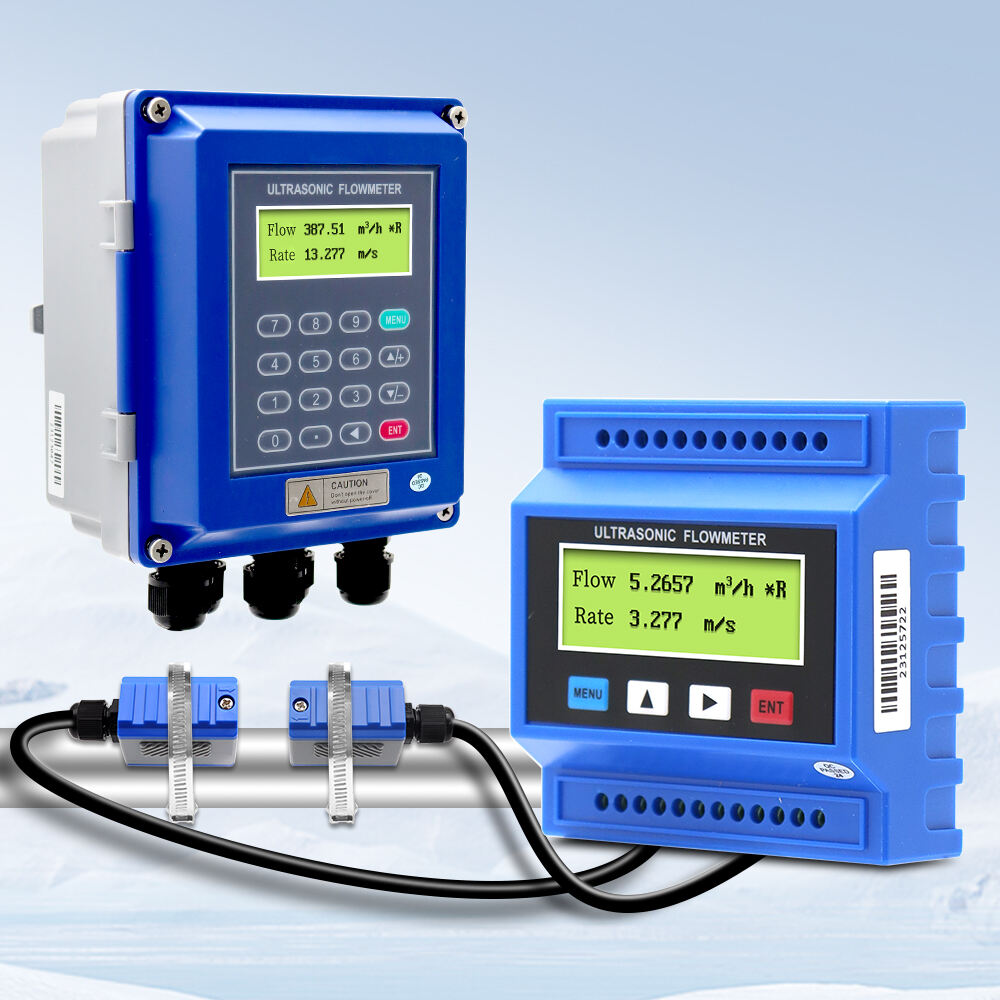
Technical Training and Knowledge Transfer
Operator Training Programs
Comprehensive operator training programs ensure facility personnel can effectively operate, monitor, and maintain ultrasonic flow measurement systems throughout their operational life. Training programs cover system operation procedures, routine maintenance requirements, basic troubleshooting techniques, and performance monitoring protocols that help operators identify potential issues before they impact measurement accuracy. Structured training curricula address different skill levels and operational responsibilities within facility organizations.
Training programs typically include hands-on experience with actual equipment, simulation exercises that demonstrate various operating scenarios, and comprehensive documentation that serves as ongoing reference material. Suppliers often provide multiple training formats including on-site instruction, remote training sessions, and self-paced learning modules that accommodate different learning preferences and scheduling requirements. Advanced training programs include certification components that verify operator competency and provide continuing education opportunities as technology evolves.
Maintenance Team Development
Specialized maintenance training programs prepare facility personnel to perform routine maintenance procedures, conduct periodic calibration checks, and address common system issues without requiring external service support. These programs focus on preventive maintenance techniques, diagnostic procedures, and repair methods that maximize system uptime and reliability. Maintenance training encompasses both mechanical and electronic aspects of ultrasonic flow measurement systems.
Maintenance training includes detailed instruction on sensor cleaning procedures, cable inspection techniques, and electronic component testing methods that help identify wear patterns before they cause system failures. Suppliers provide specialized diagnostic equipment and training on its use, enabling maintenance teams to conduct sophisticated system analysis and performance verification. This knowledge transfer reduces dependence on external service providers and enables faster response to system issues when they occur.
Ongoing Technical Support and System Optimization
Remote Monitoring and Diagnostics
Modern ultrasonic flow meter suppliers leverage advanced communication technologies to provide remote monitoring services that continuously assess system performance and identify optimization opportunities. Remote monitoring systems collect operational data, analyze performance trends, and alert suppliers to potential issues before they impact measurement accuracy or system reliability. These services enable proactive maintenance scheduling and performance optimization without requiring frequent on-site visits.
Remote diagnostic capabilities include real-time signal quality monitoring, measurement accuracy verification, and system health assessment that provides continuous insight into equipment condition and performance trends. Suppliers utilize sophisticated analysis software to identify subtle changes in system behavior that may indicate developing issues or optimization opportunities. This proactive approach helps prevent unexpected downtime and ensures systems continue operating at peak performance levels throughout their operational life.
Performance Optimization Services
Ongoing performance optimization services help facilities maximize the value of their ultrasonic flow measurement investments through continuous improvement initiatives and technology upgrades. Suppliers conduct periodic performance reviews that identify opportunities to enhance measurement accuracy, expand system capabilities, or integrate new technologies that improve operational efficiency. These services ensure systems evolve with changing facility requirements and take advantage of technological advances.
Optimization services include software updates, configuration adjustments, and hardware upgrades that enhance system capabilities without requiring complete equipment replacement. Suppliers provide detailed cost-benefit analysis for proposed improvements and help facilities prioritize optimization initiatives based on operational impact and return on investment. This ongoing partnership approach ensures ultrasonic flow measurement systems continue delivering value throughout their operational life and adapt to changing facility requirements.
Emergency Support and Rapid Response Services
Emergency Response Protocols
Professional ultrasonic flow meter suppliers maintain comprehensive emergency response protocols that provide rapid technical support when system issues threaten operational continuity. Emergency support services include 24-hour technical hotlines, rapid response field service teams, and emergency equipment replacement programs that minimize downtime during critical situations. These services ensure facilities can quickly restore measurement capabilities when unexpected issues occur.
Emergency response protocols typically include detailed troubleshooting procedures that can be conducted remotely, expedited parts delivery services, and priority scheduling for field service visits when on-site support is required. Suppliers maintain emergency inventory levels of critical components and replacement equipment to ensure rapid response capabilities. Advanced emergency support includes temporary equipment installation services that maintain measurement continuity while permanent repairs are completed.
Field Service and Technical Support
Comprehensive field service programs provide on-site technical support for complex troubleshooting, major maintenance procedures, and system upgrades that require specialized expertise. Field service teams bring advanced diagnostic equipment and deep technical knowledge that enables rapid problem resolution and system optimization. These services complement facility maintenance capabilities and provide access to specialized expertise when needed.
Field service support includes preventive maintenance programs, system health assessments, and performance optimization services that help facilities maximize equipment reliability and operational efficiency. Service technicians receive continuous training on latest technologies and diagnostic techniques, ensuring they can address both current and emerging technical challenges. This ongoing support relationship helps facilities optimize their ultrasonic flow measurement investments and achieve maximum operational value.
FAQ
What initial information do suppliers need for proper system design and installation planning?
Suppliers typically require detailed information about pipe specifications including material type, diameter, wall thickness, and installation location. Process parameters such as fluid characteristics, temperature and pressure ranges, expected flow rates, and accuracy requirements are essential for proper system configuration. Site conditions including ambient environment, power availability, communication requirements, and accessibility constraints also influence installation planning and equipment selection decisions.
How long does typical installation and commissioning take for ultrasonic flow measurement systems?
Installation timeframes vary depending on system complexity, site conditions, and integration requirements, but typical installations range from one to three days for standard applications. Complex installations involving multiple measurement points, extensive integration requirements, or challenging site conditions may require additional time. Commissioning and calibration activities typically add one to two days to ensure proper system operation and performance verification before handover to facility personnel.
What ongoing support services are typically included with equipment purchases?
Most professional suppliers include initial training, basic technical support, and warranty coverage with equipment purchases. Extended support packages often include remote monitoring services, periodic performance reviews, preventive maintenance programs, and priority technical support access. The scope of included services varies among suppliers, so facilities should carefully evaluate support offerings when making equipment selection decisions to ensure they receive appropriate ongoing support for their specific requirements.
How do suppliers help facilities maintain measurement accuracy over time?
Suppliers provide calibration verification services, performance monitoring programs, and maintenance training that help facilities maintain measurement accuracy throughout equipment life. Remote monitoring capabilities enable continuous performance assessment and early identification of drift or degradation issues. Regular calibration checks, proper maintenance procedures, and timely component replacement help ensure continued accuracy, while suppliers provide guidance on optimization opportunities and technology updates that enhance long-term performance.
Table of Contents
- Pre-Installation Planning and Site Assessment Services
- Installation Support and Technical Guidance
- Technical Training and Knowledge Transfer
- Ongoing Technical Support and System Optimization
- Emergency Support and Rapid Response Services
-
FAQ
- What initial information do suppliers need for proper system design and installation planning?
- How long does typical installation and commissioning take for ultrasonic flow measurement systems?
- What ongoing support services are typically included with equipment purchases?
- How do suppliers help facilities maintain measurement accuracy over time?