
 EN
EN
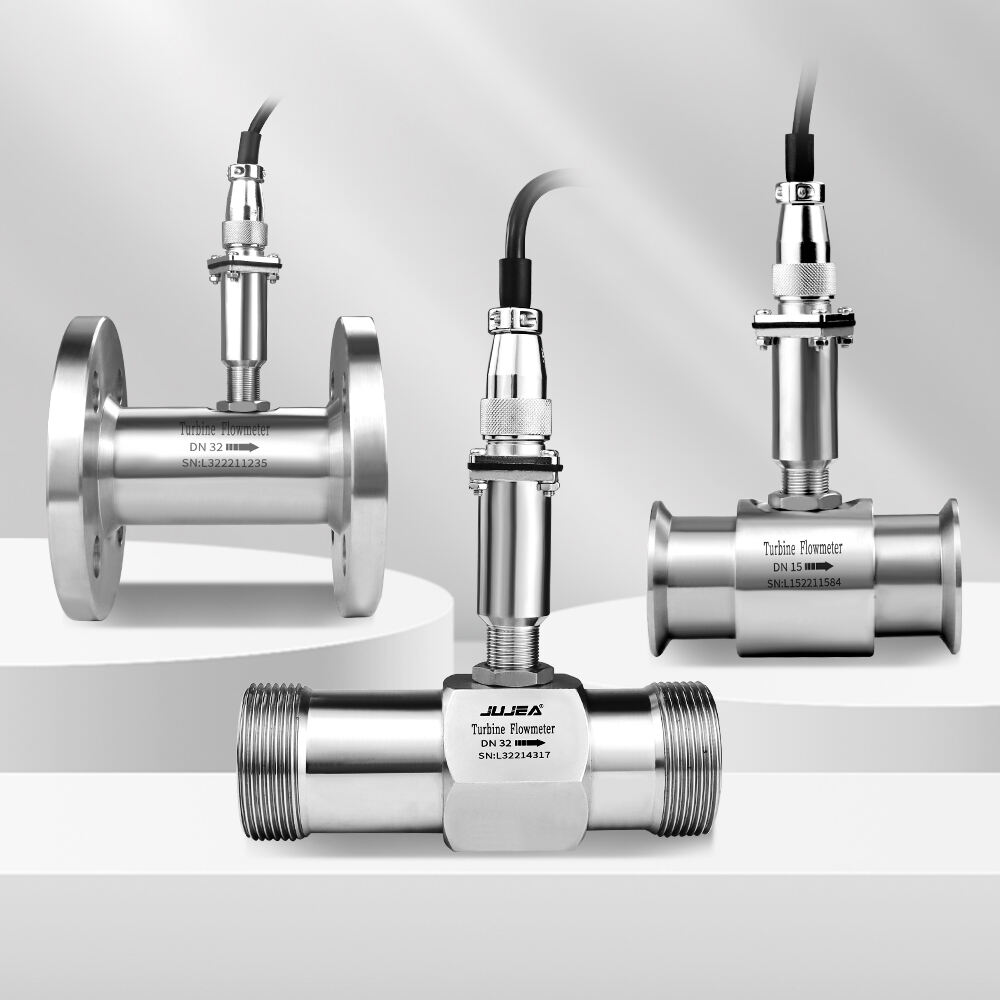
Selecting the right supplier for your hydraulic oil flow meter requirements is a critical decision that can significantly impact your operational efficiency, measurement accuracy, and long-term maintenance costs. In today's competitive industrial landscape, businesses must carefully evaluate multiple factors beyond just price when choosing a flow meter supplier. The quality of hydraulic oil flow measurement directly affects system performance, energy consumption, and equipment longevity across various applications including manufacturing, construction, and mobile hydraulics.
Modern hydraulic systems demand precise flow measurement capabilities to ensure optimal performance and prevent costly downtime. The complexity of selecting an appropriate supplier extends beyond technical specifications to encompass service quality, regulatory compliance, and long-term partnership potential. Understanding the key evaluation criteria will help procurement teams make informed decisions that align with both immediate operational needs and strategic business objectives.
Technical Specifications and Performance Standards
Accuracy and Precision Requirements
When evaluating potential suppliers, technical accuracy stands as the primary consideration for hydraulic oil flow meter selection. Different applications require varying degrees of measurement precision, typically ranging from ±0.5% to ±2% of reading depending on the specific use case. Suppliers should provide comprehensive accuracy specifications including repeatability, linearity, and temperature coefficient data to ensure the meter meets your application requirements.
Professional suppliers will offer detailed calibration certificates and traceability documentation that demonstrates compliance with international standards such as ISO 4185 or NIST guidelines. The measurement range capability is equally important, as hydraulic systems often operate across wide flow rate variations. Ensure your selected supplier can provide meters with appropriate turndown ratios that maintain accuracy across your entire operational range.
Temperature and pressure ratings represent critical performance parameters that directly impact meter longevity and reliability. Hydraulic oil flow meter applications frequently involve elevated temperatures and high-pressure conditions that can exceed standard measurement device capabilities. Verify that potential suppliers offer products rated for your specific operating conditions with appropriate safety margins.
Material Compatibility and Durability
Material selection plays a crucial role in hydraulic oil flow meter performance, particularly regarding chemical compatibility with various hydraulic fluid types. Different hydraulic oils, synthetic fluids, and additives can interact differently with meter components, potentially causing degradation, corrosion, or measurement drift over time. Reputable suppliers should provide comprehensive chemical compatibility charts and material specifications for all wetted components.
Construction quality and mechanical durability directly influence maintenance requirements and operational costs. Evaluate suppliers based on their use of high-grade materials such as stainless steel, aluminum alloys, or specialized polymers designed for hydraulic applications. The mechanical design should incorporate features like balanced rotors, precision bearings, and robust housing construction that can withstand vibration, shock, and continuous operation.
Environmental protection ratings become particularly important for mobile hydraulic applications or outdoor installations where meters face exposure to moisture, dust, and temperature extremes. Suppliers should offer appropriate IP ratings and environmental certifications that match your installation requirements while providing long-term reliability under challenging conditions.
Supplier Qualification and Industry Experience
Manufacturing Capabilities and Quality Systems
Evaluating a supplier's manufacturing infrastructure provides insight into their ability to deliver consistent quality and meet delivery commitments. Established suppliers typically maintain ISO 9001 certified quality management systems, modern production facilities, and comprehensive testing equipment that ensures product reliability. Request facility tours or detailed capability documentation to assess manufacturing processes, quality control procedures, and capacity planning systems.
Testing and validation capabilities represent essential supplier qualifications that directly impact product performance. Professional hydraulic oil flow meter suppliers should maintain calibrated flow testing facilities, environmental testing chambers, and accelerated life testing equipment. These capabilities enable thorough product validation and support continuous improvement initiatives that benefit end users through enhanced reliability and performance.
Supply chain management and component sourcing practices influence both product quality and delivery reliability. Evaluate suppliers based on their vendor qualification processes, material traceability systems, and inventory management practices. Suppliers with robust supply chain controls can better manage component quality, reduce lead times, and provide consistent pricing even during market fluctuations.
Technical Expertise and Application Support
Technical competency and application engineering support capabilities distinguish professional suppliers from commodity vendors. Experienced suppliers should demonstrate deep understanding of hydraulic system design principles, flow measurement theory, and industry-specific challenges. Their technical teams should provide valuable consultation during product selection, installation planning, and system integration phases.
Custom engineering capabilities become important when standard products cannot meet specific application requirements. Suppliers with in-house design and modification capabilities can provide tailored solutions for unique mounting configurations, special materials, or enhanced performance specifications. This flexibility proves valuable for OEM applications or specialized industrial processes requiring customized measurement solutions.
Training and documentation quality significantly impact successful implementation and long-term operation. Professional suppliers should provide comprehensive technical documentation, installation guides, and user training programs that enable proper meter installation, configuration, and maintenance. Clear documentation reduces implementation risks and supports effective troubleshooting when issues arise.
Service and Support Infrastructure
Installation and Commissioning Services
Professional installation and commissioning services can significantly impact hydraulic oil flow meter performance and longevity. Experienced suppliers often provide field service teams with specialized knowledge of hydraulic system integration, proper mounting techniques, and commissioning procedures. These services help ensure optimal meter performance from initial startup while reducing the risk of installation-related problems that could affect measurement accuracy or reliability.
Commissioning support should include system verification, calibration validation, and performance testing under actual operating conditions. Professional service teams can identify potential issues such as installation stress, vibration problems, or flow disturbances that might not be apparent during initial installation. This comprehensive approach helps establish baseline performance data and ensures proper system integration.
Documentation and handover procedures represent important aspects of professional installation services. Suppliers should provide complete commissioning reports, calibration certificates, and operational guidelines that support ongoing maintenance and troubleshooting activities. Proper documentation establishes accountability and provides valuable reference information for future service activities.
Maintenance and Repair Capabilities
Long-term maintenance support capabilities significantly influence total cost of ownership for hydraulic oil flow meter installations. Evaluate potential suppliers based on their service network coverage, response times, and technical support availability. Local or regional service presence can reduce downtime and travel costs while providing faster response to urgent maintenance needs.
Spare parts availability and inventory management practices directly impact maintenance planning and equipment reliability. Professional suppliers should maintain adequate spare parts inventory, provide clear parts identification systems, and offer predictable pricing for replacement components. Some suppliers offer preventive maintenance programs or service agreements that can reduce operational risks and provide cost predictability.
Repair and refurbishment services extend equipment life and provide cost-effective alternatives to complete replacement. Suppliers with comprehensive repair capabilities can restore meter performance to original specifications while offering warranty protection on refurbished units. This service capability becomes particularly valuable for large installations or expensive specialized meters where replacement costs are significant.
Regulatory Compliance and Certifications
Industry Standards and Approvals
Regulatory compliance and industry certifications provide important verification of product quality and performance capabilities. Hydraulic oil flow meter suppliers should demonstrate compliance with relevant industry standards such as API, ASME, or ISO specifications depending on your application requirements. These certifications provide independent validation of design, testing, and manufacturing processes that ensure consistent product quality.
Safety certifications become particularly important for applications in hazardous locations or industries with strict safety requirements. Suppliers should provide appropriate certifications such as ATEX, CSA, or FM approvals that enable safe operation in potentially explosive atmospheres or other hazardous environments. These certifications require rigorous testing and design validation that demonstrates product safety and reliability.
Quality system certifications such as ISO 9001 or AS9100 provide assurance regarding supplier management processes and continuous improvement practices. These certifications indicate systematic approaches to quality management, customer satisfaction, and operational excellence that benefit end users through improved product quality and service consistency.
Traceability and Documentation Requirements
Material traceability and documentation requirements vary significantly across different industries and applications. Nuclear, pharmaceutical, and aerospace applications often require comprehensive material certifications, testing records, and manufacturing documentation that must be maintained throughout the product lifecycle. Evaluate suppliers based on their ability to provide required documentation and maintain traceability records that meet your industry requirements.
Calibration traceability represents a fundamental requirement for measurement devices used in critical applications or regulated industries. Suppliers should provide calibration certificates with clear traceability to national or international measurement standards. This documentation ensures measurement accuracy and supports compliance with quality system requirements or regulatory audits.
Configuration management and change control processes become important for applications requiring consistent product performance over extended periods. Professional suppliers should maintain comprehensive configuration records, implement formal change control procedures, and provide notification of any product modifications that might affect performance or compatibility with existing installations.
Cost Evaluation and Value Analysis
Total Cost of Ownership Considerations
While initial purchase price often drives supplier selection decisions, total cost of ownership provides a more comprehensive evaluation framework for hydraulic oil flow meter procurement. This analysis should include acquisition costs, installation expenses, maintenance requirements, and operational impacts over the expected equipment lifecycle. Professional suppliers can provide lifecycle cost models that help quantify these factors and support informed decision-making.
Energy consumption and operational efficiency impacts represent important cost considerations that extend beyond the meter itself. Highly accurate flow measurement enables better system optimization, reduced energy waste, and improved equipment longevity. Suppliers should provide data on measurement accuracy, pressure drop characteristics, and system integration benefits that contribute to overall operational efficiency.
Reliability and availability impacts significantly influence total cost of ownership through their effects on maintenance costs and production downtime. Higher quality meters from established suppliers often provide superior reliability that reduces maintenance frequency and eliminates costly unplanned shutdowns. Consider supplier track records, warranty provisions, and reliability data when evaluating long-term cost implications.
Pricing Structure and Contract Terms
Pricing transparency and contract terms clarity represent important evaluation criteria that affect both initial procurement and ongoing supplier relationships. Professional suppliers should provide detailed pricing breakdowns, clear specifications of included services, and transparent terms regarding delivery, warranty, and support obligations. Avoid suppliers who provide vague specifications or unclear pricing structures that could lead to unexpected costs.
Volume pricing and long-term agreement options can provide significant cost advantages for large installations or multi-year procurement programs. Evaluate suppliers based on their willingness to provide competitive volume pricing, flexible delivery schedules, and favorable terms for ongoing purchases. Some suppliers offer preferred customer programs that provide additional benefits such as priority support or extended warranties.
Payment terms and financing options may influence supplier selection decisions, particularly for large capital projects or organizations with specific cash flow requirements. Some suppliers offer leasing programs, extended payment terms, or performance-based contracts that align costs with system benefits. Consider these options when evaluating proposals from different suppliers.
FAQ
What accuracy specifications should I expect from a quality hydraulic oil flow meter supplier?
Professional suppliers should offer hydraulic oil flow meters with accuracy specifications ranging from ±0.1% to ±2% of reading depending on the measurement technology and application requirements. Look for suppliers who provide comprehensive accuracy specifications including repeatability (typically ±0.05% to ±0.1%), linearity, and temperature coefficient data. Quality suppliers will also provide calibration certificates traceable to national standards and offer recalibration services to maintain accuracy over time.
How important is local service support when selecting a hydraulic oil flow meter supplier?
Local or regional service support can significantly impact your total cost of ownership and operational reliability. Suppliers with nearby service centers typically provide faster response times for emergency repairs, reduced travel costs for maintenance activities, and better understanding of local industry requirements. However, remote diagnostic capabilities and comprehensive technical support can sometimes compensate for limited local presence, particularly for standard applications with experienced maintenance teams.
What certifications and standards should I look for in a hydraulic oil flow meter supplier?
Key certifications to evaluate include ISO 9001 quality management systems, industry-specific approvals such as API or ASME standards, and safety certifications like ATEX or CSA for hazardous location applications. The supplier should also demonstrate compliance with relevant measurement standards such as ISO 4185 for flow measurement devices. Additionally, look for suppliers who maintain calibration laboratory accreditations and can provide traceability documentation for their calibration services.
How should I evaluate the long-term reliability of different hydraulic oil flow meter suppliers?
Evaluate supplier reliability through multiple factors including their industry experience, customer references, warranty provisions, and failure rate data. Request case studies or references from similar applications and contact existing customers about their experience with product performance and supplier support. Additionally, review the supplier's financial stability, manufacturing capabilities, and commitment to ongoing product development to ensure they can provide long-term support for your investment.
Table of Contents
- Technical Specifications and Performance Standards
- Supplier Qualification and Industry Experience
- Service and Support Infrastructure
- Regulatory Compliance and Certifications
- Cost Evaluation and Value Analysis
-
FAQ
- What accuracy specifications should I expect from a quality hydraulic oil flow meter supplier?
- How important is local service support when selecting a hydraulic oil flow meter supplier?
- What certifications and standards should I look for in a hydraulic oil flow meter supplier?
- How should I evaluate the long-term reliability of different hydraulic oil flow meter suppliers?