
 EN
EN
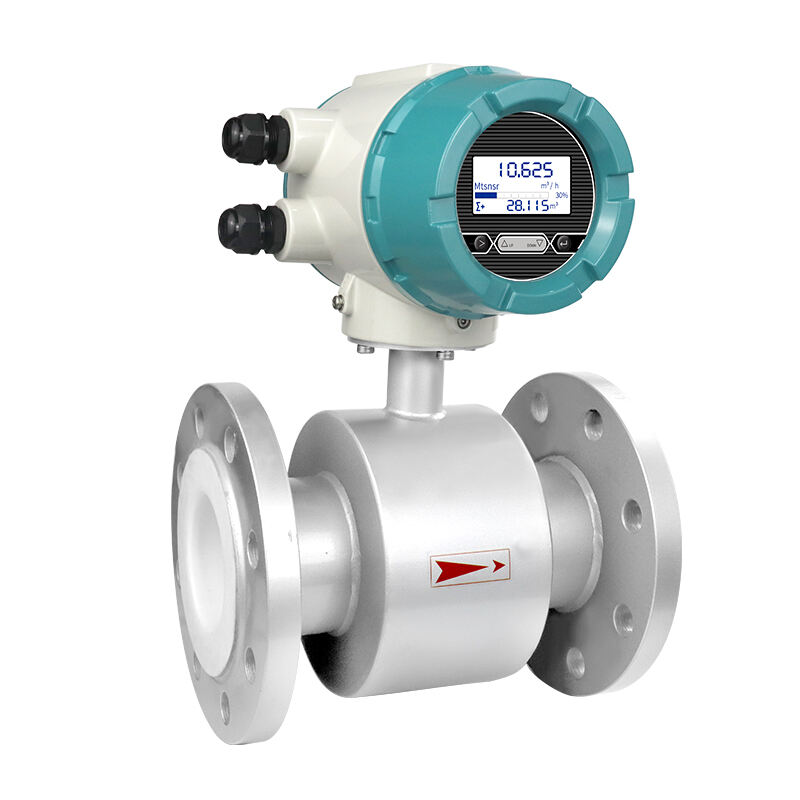
In industrial fluid measurement applications, achieving precise and reliable flow readings is critical for operational efficiency, safety, and regulatory compliance. Modern manufacturing processes depend heavily on accurate flow measurement systems, and among the various technologies available, electromagnetic flow meters have emerged as one of the most trusted solutions. These sophisticated instruments utilize electromagnetic principles to provide non-intrusive measurement of conductive fluids, making them indispensable across industries ranging from water treatment to chemical processing.
The accuracy of flow measurements directly impacts product quality, process control, and cost management in industrial operations. Manufacturers of electromagnetic flow measurement devices have developed comprehensive strategies and methodologies to ensure their instruments deliver consistent, precise readings under various operating conditions. Understanding these quality assurance approaches helps engineers and facility managers make informed decisions when selecting flow measurement solutions for their specific applications.
Fundamental Principles Behind Electromagnetic Flow Measurement Technology
Faraday's Law of Electromagnetic Induction
The operation of electromagnetic flow meters is based on Faraday's law of electromagnetic induction, which states that a voltage is induced when a conductor moves through a magnetic field. In the context of flow measurement, the conductive fluid acts as the moving conductor, while the meter generates a controlled magnetic field perpendicular to the flow direction. As the fluid passes through this magnetic field, it generates a voltage proportional to its velocity, which is then converted into flow rate measurements.
This fundamental principle provides several advantages over mechanical flow measurement methods. Since there are no moving parts in contact with the fluid, electromagnetic flow meters experience minimal wear and can handle corrosive or abrasive fluids without degradation. The measurement is also independent of fluid density, viscosity, and temperature within normal operating ranges, contributing to long-term accuracy stability.
Magnetic Field Generation and Control
Manufacturers implement sophisticated electromagnetic coil designs to generate uniform and stable magnetic fields across the measurement tube. The coils are typically wound around the outside of the flow tube and energized with precisely controlled current to create a consistent magnetic field strength. Advanced designs incorporate compensation techniques to account for temperature variations and magnetic field drift over time.
Modern electromagnetic flow meter systems utilize pulsed DC or low-frequency AC excitation to minimize the effects of electrochemical noise and provide stable zero-point performance. The excitation frequency is carefully selected to optimize signal-to-noise ratio while avoiding interference from external electromagnetic sources.
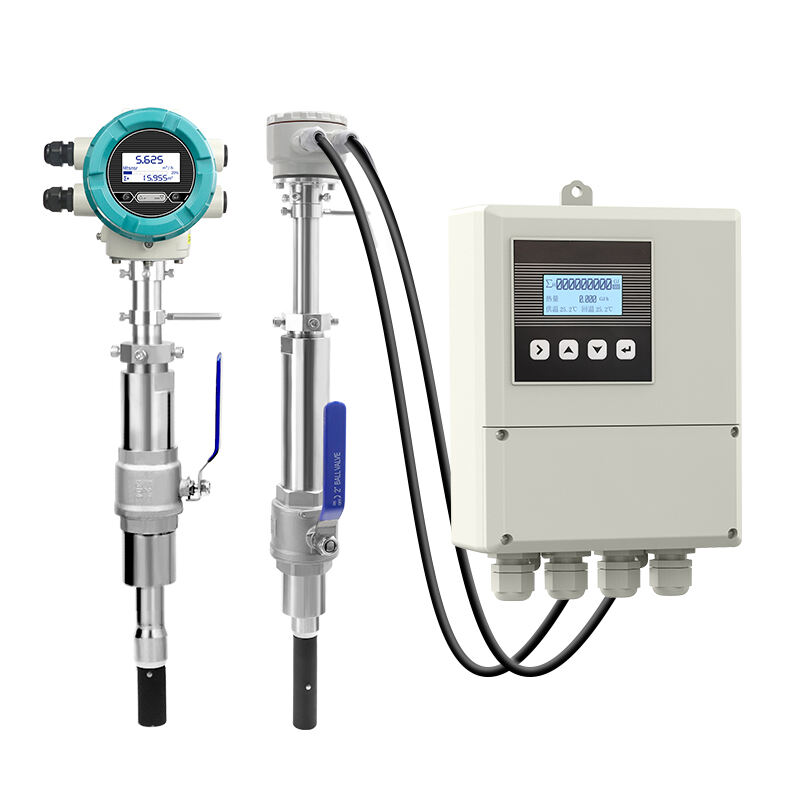
Manufacturing Quality Control Processes
Material Selection and Component Specification
The accuracy of electromagnetic flow meters begins with careful selection of materials and components during the manufacturing process. Electrode materials must provide excellent electrical conductivity while resisting corrosion from the measured fluids. Common electrode materials include stainless steel, Hastelloy, titanium, and platinum, with selection based on the specific application requirements and fluid compatibility.
Liner materials play a crucial role in measurement accuracy by providing electrical insulation between the fluid and the flow tube while maintaining smooth flow characteristics. Manufacturers typically offer multiple liner options including PTFE, rubber, ceramic, and specialized polymer compounds. Each material is selected and tested to ensure dimensional stability, chemical resistance, and long-term performance under operating conditions.
Precision Manufacturing and Assembly Techniques
Manufacturing facilities employ advanced machining and assembly techniques to ensure consistent dimensional accuracy across production runs. Computer-controlled machining centers produce flow tubes with precise internal diameters and surface finishes that minimize flow disturbance. The positioning of electrodes and magnetic coils is controlled to tight tolerances to ensure uniform sensitivity across the measurement cross-section.
Quality control procedures during assembly include verification of magnetic field uniformity, electrode positioning accuracy, and electrical insulation integrity. Each assembled flow meter undergoes comprehensive testing to verify that all components meet design specifications before proceeding to calibration and final testing phases.
Calibration Methodologies and Standards
Primary Flow Calibration Standards
Manufacturers maintain traceable calibration standards that reference national and international measurement standards. Primary flow calibration facilities typically utilize gravimetric or volumetric methods with uncertainties of 0.02% to 0.05% to establish reference accuracy. These facilities are designed with sophisticated flow conditioning systems to ensure stable, fully developed flow profiles during calibration procedures.
The calibration process involves testing each electromagnetic flow meter across its full measurement range using multiple flow rates and different test fluids. Water is commonly used as the primary calibration fluid due to its well-known properties and availability, but specialized applications may require calibration with fluids having similar conductivity and viscosity characteristics to the intended process fluid.
Multi-Point Verification and Linearity Testing
Comprehensive calibration procedures include multi-point verification across the entire measurement range to verify linearity and identify any systematic errors. Manufacturers typically test at multiple flow rates including low-flow conditions where measurement uncertainty may be higher. The calibration data is analyzed to determine the meter's accuracy characteristics and to generate correction factors if necessary.
Temperature compensation testing ensures that electromagnetic flow meter accuracy remains stable across the specified operating temperature range. This involves calibration at different temperatures to characterize thermal effects on both the sensor and electronics, allowing for appropriate compensation algorithms to be implemented in the meter's firmware.
Electronic Signal Processing and Compensation Techniques
Digital Signal Processing Algorithms
Modern electromagnetic flow meters incorporate sophisticated digital signal processing techniques to extract accurate flow information from the induced voltage signals. Advanced filtering algorithms remove electrical noise and interference while preserving the flow signal integrity. Manufacturers develop proprietary signal processing methods that optimize measurement accuracy under various operating conditions including low-conductivity fluids and high-noise environments.
Adaptive filtering techniques automatically adjust to changing process conditions, maintaining measurement accuracy even when fluid properties or flow patterns change. These algorithms continuously monitor signal quality parameters and adjust processing parameters to optimize performance while providing diagnostic information about measurement reliability.
Environmental Compensation Systems
Temperature compensation systems account for thermal effects on both the sensor components and the measured fluid. Integrated temperature sensors monitor the operating temperature and apply correction factors to maintain accuracy across the specified temperature range. Some advanced systems also incorporate pressure compensation for applications where significant pressure variations may affect the measurement.
Electromagnetic interference compensation techniques protect against external electrical noise sources that could affect measurement accuracy. Shielding design, grounding strategies, and signal processing methods work together to maintain measurement integrity in electrically noisy industrial environments.
Installation and Application-Specific Considerations
Proper Installation Practices
Manufacturers provide detailed installation guidelines to ensure optimal electromagnetic flow meter performance in field applications. Proper installation practices include maintaining adequate straight pipe runs upstream and downstream of the meter to ensure fully developed flow profiles. The recommended straight run requirements are typically 5 to 10 pipe diameters upstream and 2 to 3 pipe diameters downstream, though specific requirements may vary based on upstream piping configurations.
Grounding and electrical installation procedures are critical for accurate measurements, particularly in applications involving low-conductivity fluids. Proper grounding eliminates electrical noise and ensures stable zero-point performance. Manufacturers specify grounding electrode requirements and installation procedures to maintain measurement accuracy and ensure personnel safety.
Flow Profile Optimization
Flow profile effects on measurement accuracy are minimized through careful attention to upstream piping configurations and flow conditioning when necessary. Manufacturers may recommend flow straighteners or conditioning plates for installations where adequate straight pipe runs cannot be achieved. The electromagnetic measurement principle is relatively insensitive to flow profile distortions compared to other technologies, but optimal accuracy still requires attention to installation details.
Pipe orientation considerations ensure proper operation in various installation configurations. While electromagnetic flow meters can operate in any orientation, manufacturers provide guidance on optimal mounting positions for different applications, including considerations for gas bubble entrainment and sediment accumulation that could affect measurement accuracy.
Long-Term Accuracy Maintenance and Verification
Preventive Maintenance Programs
Manufacturers recommend comprehensive preventive maintenance programs to maintain electromagnetic flow meter accuracy over extended operating periods. These programs typically include regular verification of zero-point stability, electrode condition inspection, and grounding system integrity checks. Preventive maintenance schedules are tailored to specific application conditions, with more frequent attention required for challenging environments involving corrosive fluids or high temperatures.
Diagnostic monitoring systems built into modern electromagnetic flow meters provide continuous assessment of measurement system health. These systems monitor parameters such as signal strength, noise levels, and electrode condition to identify potential issues before they affect measurement accuracy. Advanced diagnostic features can detect problems such as electrode fouling, coating buildup, or electrical connection degradation.
Field Verification Techniques
Field verification procedures allow users to confirm electromagnetic flow meter accuracy without removing the meter from service. These techniques include zero-point verification, which can be performed by stopping flow and confirming that the meter reads zero, and span verification using portable calibration equipment or comparative measurements with reference meters.
Some manufacturers offer remote monitoring and diagnostic services that allow continuous assessment of meter performance through digital communication systems. These services can identify trends in meter performance and predict when maintenance or recalibration may be necessary, helping to maintain long-term accuracy while minimizing maintenance costs.
FAQ
What factors can affect the accuracy of electromagnetic flow meters over time
Several factors can impact electromagnetic flow meter accuracy over extended periods of operation. Electrode fouling or coating buildup can reduce signal strength and affect measurement accuracy, particularly in applications involving fluids with suspended solids or chemical precipitation. Temperature cycling can cause thermal stress on components, while electrical connection degradation may introduce noise or signal loss. Regular maintenance and monitoring of these factors helps maintain long-term accuracy performance.
How do manufacturers ensure consistent accuracy across different production batches
Manufacturers implement comprehensive quality control systems that include standardized calibration procedures, statistical process control monitoring, and traceable measurement standards. Each production batch undergoes identical testing protocols using certified reference standards, and calibration data is analyzed to ensure consistency across multiple units. Manufacturing process controls maintain tight tolerances on critical components, while final testing verifies that each meter meets specified accuracy requirements before shipment.
Can electromagnetic flow meters maintain accuracy when measuring different types of fluids
Electromagnetic flow meters can maintain excellent accuracy across a wide range of conductive fluids, provided the fluid conductivity exceeds the minimum threshold typically around 5 microsiemens per centimeter. The measurement principle is largely independent of fluid density, viscosity, and temperature within normal operating ranges. However, factors such as gas bubble entrainment, suspended solids concentration, and fluid coating characteristics may require specific calibration considerations or application-specific compensation techniques to maintain optimal accuracy.
What role does digital technology play in modern electromagnetic flow meter accuracy
Digital technology significantly enhances electromagnetic flow meter accuracy through advanced signal processing, environmental compensation, and diagnostic monitoring capabilities. Digital systems can implement sophisticated filtering algorithms that remove noise while preserving signal integrity, apply real-time compensation for temperature and other environmental factors, and provide continuous monitoring of measurement system health. Digital communication also enables remote diagnostics and performance verification, allowing proactive maintenance to maintain long-term accuracy performance.
Table of Contents
- Fundamental Principles Behind Electromagnetic Flow Measurement Technology
- Manufacturing Quality Control Processes
- Calibration Methodologies and Standards
- Electronic Signal Processing and Compensation Techniques
- Installation and Application-Specific Considerations
- Long-Term Accuracy Maintenance and Verification
-
FAQ
- What factors can affect the accuracy of electromagnetic flow meters over time
- How do manufacturers ensure consistent accuracy across different production batches
- Can electromagnetic flow meters maintain accuracy when measuring different types of fluids
- What role does digital technology play in modern electromagnetic flow meter accuracy