
 EN
EN
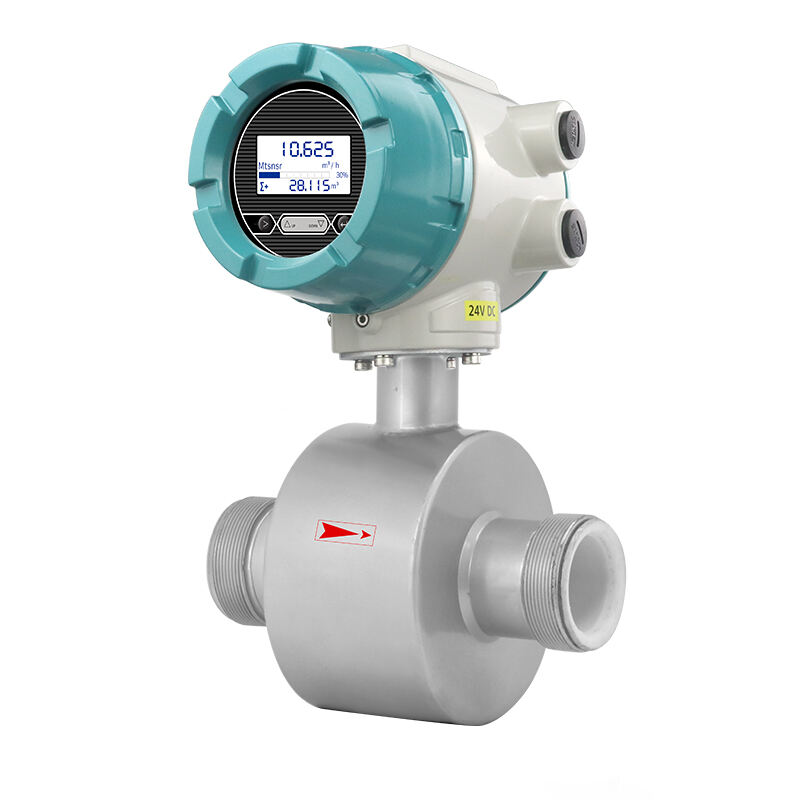
The industrial measurement landscape demands precision, reliability, and unwavering compliance with international standards. Electromagnetic flow meter manufacturers face the critical challenge of maintaining superior quality while adhering to stringent regulatory requirements across diverse industries. These sophisticated instruments play vital roles in water treatment facilities, chemical processing plants, and manufacturing operations where accurate flow measurement directly impacts operational efficiency and safety protocols.
Manufacturing excellence in electromagnetic flow measurement technology requires comprehensive quality management systems that encompass every aspect of production, testing, and delivery. Leading manufacturers implement rigorous protocols that ensure each device meets or exceeds industry benchmarks while maintaining competitive pricing and delivery schedules. The complexity of modern electromagnetic flow measurement systems necessitates advanced manufacturing techniques combined with traditional quality assurance methodologies.
Quality Management Systems in Manufacturing
ISO Certification Standards Implementation
International Organization for Standardization certification forms the backbone of quality management in electromagnetic flow meter manufacturing. ISO 9001:2015 provides the framework for establishing consistent quality processes, while ISO 14001 addresses environmental management concerns throughout the production lifecycle. These certifications require manufacturers to document every process step, implement corrective action procedures, and maintain continuous improvement protocols that directly impact product reliability.
Manufacturers must demonstrate their ability to consistently provide products that meet customer requirements and applicable regulatory standards. The certification process involves comprehensive audits of design processes, manufacturing procedures, calibration protocols, and customer service systems. Regular surveillance audits ensure ongoing compliance with established quality management principles and identify opportunities for process enhancement.
The implementation of quality management systems requires significant investment in personnel training, documentation systems, and measurement equipment. However, the benefits include reduced manufacturing defects, improved customer satisfaction, enhanced market credibility, and streamlined operational efficiency. Leading electromagnetic flow meter manufacturers view ISO certification as essential for maintaining competitive advantage in global markets.
Statistical Process Control Methods
Statistical process control enables manufacturers to monitor production quality in real-time, identifying variations before they impact product performance. Control charts track critical parameters such as sensor accuracy, signal processing stability, and mechanical component tolerances throughout the manufacturing process. These statistical tools provide objective data for process optimization and defect prevention strategies.
Implementation of statistical process control requires sophisticated data collection systems that capture measurements from multiple production stages. Automated testing equipment generates vast amounts of quality data that must be analyzed using appropriate statistical methods. Manufacturers use this information to establish process capability indices, predict potential quality issues, and optimize manufacturing parameters for consistent product performance.
The effectiveness of statistical process control depends on proper training of production personnel, regular calibration of measurement equipment, and consistent application of control procedures. Manufacturers must establish clear protocols for responding to statistical signals indicating process variations and implement corrective actions that address root causes rather than symptoms. This systematic approach to quality control significantly reduces the likelihood of defective products reaching customers.
Regulatory Compliance Framework
International Safety Standards
Electromagnetic flow meter manufacturers must comply with multiple international safety standards that govern electrical safety, electromagnetic compatibility, and functional safety requirements. IEC 61010-1 establishes safety requirements for electrical equipment used for measurement, control, and laboratory applications. This standard addresses insulation requirements, protection against electrical shock, fire hazards, and mechanical dangers that could arise during normal operation or foreseeable misuse.
The European Union's ATEX directive requires manufacturers to ensure their products meet explosion protection standards when used in potentially explosive atmospheres. This involves comprehensive risk assessment, appropriate design modifications, and extensive testing to verify compliance with essential health and safety requirements. Manufacturers must maintain detailed technical files documenting compliance with applicable standards and provide clear instructions for safe installation and operation.
Functional safety standards such as IEC 61508 and IEC 61511 establish requirements for safety instrumented systems used in process industries. These standards require manufacturers to demonstrate that their electromagnetic flow measurement devices can achieve specified safety integrity levels through systematic design practices, comprehensive testing, and proper documentation of safety functions. Compliance with functional safety standards is increasingly important for applications in chemical processing, oil and gas, and power generation industries.
Calibration and Traceability Requirements
Maintaining measurement traceability to national and international standards is fundamental to electromagnetic flow meter quality assurance. Manufacturers must establish calibration procedures that ensure measurement accuracy throughout the product lifecycle. This involves using reference standards traceable to national metrology institutes and implementing calibration intervals appropriate for the intended application and accuracy requirements.
The calibration process requires specialized facilities equipped with flow calibration rigs capable of generating precise flow conditions across the full measurement range. These facilities must maintain environmental controls to ensure stable measurement conditions and minimize uncertainty sources that could affect calibration accuracy. Manufacturers typically maintain multiple calibration standards to provide redundancy and enable cross-checking of measurement results.
Documentation of calibration procedures and results is essential for regulatory compliance and customer confidence. Manufacturers must maintain comprehensive records of calibration certificates, uncertainty calculations, and any adjustments made during the calibration process. This documentation provides evidence of measurement accuracy and enables customers to demonstrate compliance with their own quality requirements and regulatory obligations.
Manufacturing Process Control
Material Selection and Validation
The selection and validation of materials used in electromagnetic flow meter construction directly impacts product reliability, accuracy, and service life. Manufacturers must evaluate materials for compatibility with measured fluids, resistance to corrosion, mechanical strength, and electrical properties. This evaluation process involves comprehensive testing under simulated operating conditions that replicate the temperature, pressure, and chemical exposure expected in typical applications.
Electrode materials require particular attention due to their critical role in measurement accuracy and long-term stability. Manufacturers must select electrode materials that provide stable electrical contact with measured fluids while resisting corrosion and erosion. Common electrode materials include stainless steel, Hastelloy, tantalum, and platinum, each offering specific advantages for different application requirements. Material testing protocols verify chemical compatibility, electrical properties, and mechanical durability under accelerated aging conditions.
Liner materials must provide electrical insulation while maintaining chemical compatibility and mechanical integrity. Manufacturers evaluate various fluoropolymers, rubber compounds, and ceramic materials for specific application requirements. The validation process includes chemical resistance testing, temperature cycling, and mechanical stress testing to ensure long-term reliability. Material specifications must account for regulatory requirements such as food safety approvals and drinking water compatibility certifications.
Assembly and Testing Protocols
Assembly procedures for electromagnetic flow meters require precise control of component positioning, electrical connections, and mechanical fastening to ensure consistent performance. Manufacturers implement detailed work instructions that specify torque requirements, electrical connection procedures, and quality checkpoints throughout the assembly process. These procedures minimize variation between individual units and ensure that each device meets established performance specifications.
Comprehensive testing protocols verify electromagnetic flow meter performance across the full operating range before shipment to customers. Testing procedures include zero stability verification, linearity testing across multiple flow rates, temperature compensation validation, and electromagnetic compatibility assessment. Automated test equipment enables consistent application of test procedures while reducing testing time and improving measurement accuracy.
Environmental testing validates electromagnetic flow meter performance under extreme operating conditions that may be encountered in field applications. Temperature cycling tests verify stability across the specified operating temperature range, while vibration and shock testing assess mechanical durability. Ingress protection testing confirms that sealed units maintain their protective ratings against dust and water penetration. These comprehensive testing protocols provide confidence that products will perform reliably in demanding industrial environments.
Continuous Improvement Initiatives
Technology Innovation and Development
Leading electromagnetic flow meter manufacturers invest significantly in research and development to advance measurement technology and improve product performance. Innovation initiatives focus on enhanced signal processing algorithms, improved sensor designs, and advanced materials that extend service life and measurement accuracy. These technological advances enable manufacturers to address evolving customer requirements while maintaining competitive advantages in the marketplace.
Digital signal processing technology enables more sophisticated measurement algorithms that improve accuracy and stability while reducing sensitivity to process disturbances. Advanced filtering techniques minimize the impact of electrical noise and process variations on measurement performance. Manufacturers continuously refine these algorithms based on field experience and laboratory testing to optimize performance across diverse application conditions.
Smart sensor technology integration enables enhanced diagnostic capabilities that provide valuable information about measurement quality and device health. These diagnostic features help users optimize installation conditions, identify potential maintenance requirements, and verify measurement accuracy. Manufacturers develop these capabilities in response to customer needs for improved process visibility and reduced maintenance costs.
Customer Feedback Integration
Systematic collection and analysis of customer feedback provides valuable insights for product improvement and quality enhancement initiatives. Manufacturers establish formal feedback channels that enable customers to report performance issues, suggest improvements, and share application experiences. This information guides development priorities and helps identify opportunities for product enhancement that address real-world customer needs.
Field service data provides additional insights into product performance under actual operating conditions. Service technicians collect information about installation practices, maintenance requirements, and failure modes that may not be evident in laboratory testing. Manufacturers analyze this data to identify design improvements, enhance installation guidelines, and develop preventive maintenance recommendations that improve overall system reliability.
Customer application studies help manufacturers understand how electromagnetic flow meters perform in specific industry applications and identify opportunities for application-specific optimizations. These studies may reveal unique performance requirements or challenging operating conditions that require specialized design considerations. Manufacturers use this information to develop industry-specific variants or application guidelines that improve customer satisfaction and reduce application-related issues.
Supply Chain Quality Management
Vendor Qualification and Monitoring
Electromagnetic flow meter manufacturers depend on qualified suppliers to provide components that meet stringent quality requirements. Vendor qualification processes evaluate supplier quality systems, technical capabilities, and delivery performance to ensure compatibility with manufacturing requirements. This evaluation includes on-site audits, sample testing, and assessment of quality documentation to verify that suppliers can consistently meet established specifications.
Ongoing supplier monitoring ensures continued compliance with quality requirements throughout the business relationship. Regular performance reviews assess delivery schedules, quality metrics, and responsiveness to quality issues. Manufacturers may implement supplier scorecards that track key performance indicators and provide objective feedback on supplier performance. This systematic approach to supplier management helps maintain consistent component quality while identifying opportunities for improvement.
Supplier development programs help manufacturers work collaboratively with key suppliers to improve quality, reduce costs, and enhance innovation capabilities. These programs may include technical training, quality system improvements, and joint development projects that benefit both parties. Strong supplier relationships enable manufacturers to respond more effectively to market changes while maintaining high quality standards.
Incoming Material Inspection
Comprehensive incoming inspection procedures verify that purchased components meet established specifications before entering the production process. Inspection protocols may include dimensional verification, material composition analysis, and functional testing depending on component criticality and supplier history. Statistical sampling plans balance inspection costs with risk management while providing confidence in component quality.
Advanced inspection techniques such as coordinate measuring machines and automated optical inspection enable rapid, accurate assessment of complex components. These technologies provide detailed measurement data that can be used for statistical analysis and trend monitoring. Manufacturers may use this data to work with suppliers on process improvements that enhance component quality and reduce inspection requirements over time.
Non-conforming material procedures ensure that components that do not meet specifications are properly identified, segregated, and dispositioned to prevent their use in production. These procedures may include supplier notification, corrective action requests, and return authorization processes. Effective management of non-conforming materials minimizes production delays while ensuring that quality standards are maintained throughout the manufacturing process.
FAQ
What certifications are required for electromagnetic flow meter manufacturers?
Electromagnetic flow meter manufacturers typically require ISO 9001 quality management certification as a foundation for their quality systems. Additionally, they may need ATEX certification for explosive atmosphere applications, CE marking for European markets, and various safety certifications such as UL or CSA for North American markets. Industry-specific certifications like FDA approval for food applications or drinking water approvals may also be necessary depending on the target markets and applications.
How do manufacturers ensure long-term accuracy of electromagnetic flow meters?
Manufacturers ensure long-term accuracy through comprehensive design validation, rigorous material selection, and extensive testing protocols. They use stable electrode materials, implement temperature compensation algorithms, and design robust signal processing systems that maintain calibration over extended periods. Regular factory calibration using traceable standards, comprehensive environmental testing, and field validation studies help verify that accuracy specifications are maintained throughout the product lifecycle.
What role does traceability play in electromagnetic flow meter quality control?
Traceability provides the foundation for measurement confidence and regulatory compliance in electromagnetic flow meter manufacturing. All calibration standards must be traceable to national metrology institutes through an unbroken chain of comparisons. This traceability enables manufacturers to demonstrate measurement accuracy, supports customer quality requirements, and ensures compliance with international standards. Comprehensive documentation of traceability records is essential for quality audits and regulatory inspections.
How do manufacturers address electromagnetic compatibility requirements?
Manufacturers address electromagnetic compatibility through careful circuit design, proper shielding techniques, and comprehensive EMC testing. They implement filtering circuits to minimize electromagnetic emissions while ensuring immunity to external interference. Testing protocols verify compliance with relevant EMC standards such as IEC 61326, which specifically addresses electromagnetic compatibility requirements for electrical equipment used for measurement, control, and laboratory use. Design validation includes testing in simulated industrial environments to ensure reliable operation in the presence of electromagnetic disturbances.
Table of Contents
- Quality Management Systems in Manufacturing
- Regulatory Compliance Framework
- Manufacturing Process Control
- Continuous Improvement Initiatives
- Supply Chain Quality Management
-
FAQ
- What certifications are required for electromagnetic flow meter manufacturers?
- How do manufacturers ensure long-term accuracy of electromagnetic flow meters?
- What role does traceability play in electromagnetic flow meter quality control?
- How do manufacturers address electromagnetic compatibility requirements?