
 EN
EN
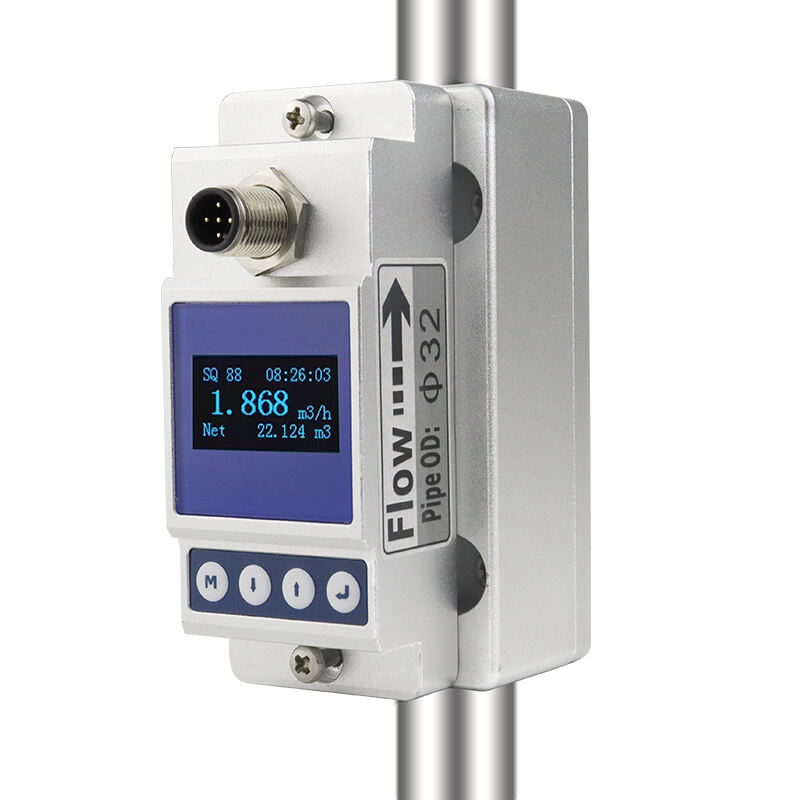
Large industrial projects demand precision, reliability, and unwavering performance from every component. When it comes to flow measurement systems, selecting the right electromagnetic flow meter supplier becomes a critical decision that can determine project success or failure. The complexity of modern industrial applications requires suppliers who understand not just the technical specifications, but also the unique challenges that large-scale implementations present across diverse industries.
The stakes are particularly high in sectors such as water treatment, chemical processing, oil and gas, and power generation, where flow measurement accuracy directly impacts operational efficiency, safety compliance, and environmental protection. A trusted supplier brings more than just quality products to the table—they provide comprehensive solutions, technical expertise, and long-term partnership that extends well beyond the initial installation phase.
Understanding the Complexity of Large-Scale Flow Measurement Projects
Project Scale and Integration Challenges
Large industrial projects often involve multiple measurement points, diverse fluid types, and complex integration requirements with existing control systems. An experienced electromagnetic flow meter supplier understands these challenges and can provide customized solutions that address specific project needs. They recognize that each installation point may have unique requirements regarding pipe diameter, fluid conductivity, installation constraints, and environmental conditions.
The integration aspect becomes particularly critical when dealing with distributed control systems, SCADA networks, and modern IoT platforms. Established suppliers have extensive experience working with various communication protocols, ensuring seamless data transmission and system interoperability. This expertise prevents costly delays and compatibility issues that can derail project timelines and budgets.
Regulatory Compliance and Standards
Large projects typically operate under strict regulatory frameworks that vary by industry and geographic location. Trusted suppliers maintain comprehensive understanding of relevant standards such as ISO 9001, API standards, ASME guidelines, and industry-specific certifications. They ensure that all supplied equipment meets or exceeds these requirements, providing necessary documentation and certification support throughout the project lifecycle.
Environmental regulations add another layer of complexity, particularly in water treatment and chemical processing applications. Reputable suppliers stay current with evolving environmental standards and can recommend solutions that not only meet current requirements but also anticipate future regulatory changes. This forward-thinking approach protects clients from potential compliance issues and costly retrofits.
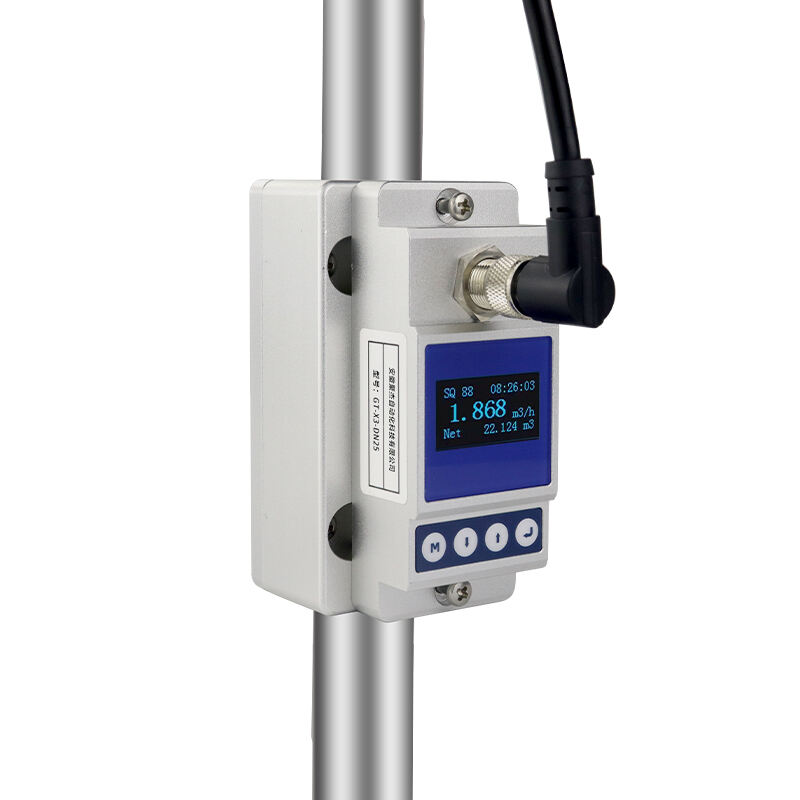
Technical Expertise and Product Quality Assurance
Advanced Manufacturing Capabilities
The manufacturing quality of electromagnetic flow meters directly impacts measurement accuracy, longevity, and maintenance requirements. Leading suppliers invest heavily in advanced manufacturing processes, quality control systems, and testing facilities. They typically maintain ISO-certified production facilities with rigorous testing protocols that simulate real-world operating conditions.
Material selection represents another critical factor, particularly for applications involving corrosive fluids, high temperatures, or abrasive conditions. Experienced suppliers offer comprehensive liner and electrode options, including PTFE, PFA, rubber, and various exotic alloys. Their technical teams can recommend optimal material combinations based on specific fluid characteristics and operating parameters, ensuring maximum service life and measurement reliability.
Calibration and Accuracy Standards
Calibration accuracy becomes paramount in large projects where small measurement errors can translate into significant financial or operational impacts. Trusted suppliers maintain accredited calibration facilities with traceable standards that comply with national and international metrology requirements. They provide detailed calibration certificates and can accommodate special accuracy requirements for critical applications.
Many established suppliers also offer on-site calibration services, which becomes particularly valuable for large installations where removing meters for calibration would be costly or operationally disruptive. This capability demonstrates their commitment to long-term measurement accuracy and customer convenience.
Comprehensive Project Support Services
Pre-Installation Engineering Support
Successful large projects require extensive planning and engineering support before the first meter is installed. Professional electromagnetic flow meter supplier teams provide comprehensive application engineering services, including flow profile analysis, installation location optimization, and piping configuration recommendations. They utilize advanced computational fluid dynamics tools to predict flow behavior and optimize meter placement for maximum accuracy.
Site surveys and installation planning represent another crucial service area. Experienced suppliers send qualified engineers to assess installation conditions, identify potential challenges, and develop detailed installation procedures. This proactive approach minimizes surprises during construction phases and ensures that all necessary preparations are completed before equipment arrival.
Training and Knowledge Transfer
Large projects often involve multiple stakeholders, including operators, maintenance personnel, and engineering teams who need comprehensive understanding of flow meter operation and maintenance. Leading suppliers provide extensive training programs covering theoretical principles, practical operation, troubleshooting procedures, and preventive maintenance protocols.
These training programs are typically customized to address specific project requirements and can be delivered at supplier facilities, customer sites, or through modern digital platforms. Comprehensive documentation, including operation manuals, maintenance procedures, and spare parts catalogs, supports ongoing knowledge retention and operational excellence.
Long-Term Partnership and Lifecycle Support
Maintenance and Service Programs
The relationship between clients and suppliers extends far beyond initial equipment delivery. Established suppliers offer comprehensive maintenance programs designed to maximize equipment reliability and extend service life. These programs typically include predictive maintenance protocols, scheduled inspection services, and rapid response support for unexpected issues.
Spare parts availability becomes critical for large installations where extended downtime can result in significant financial losses. Trusted suppliers maintain extensive spare parts inventories and can provide guaranteed delivery times for critical components. Many also offer consignment stock programs where commonly needed parts are stored at customer facilities, ensuring immediate availability when needed.
Technology Evolution and Upgrades
Technology continues evolving rapidly, particularly in areas such as digital communications, diagnostic capabilities, and integration with advanced process control systems. Forward-thinking suppliers maintain active research and development programs and can provide upgrade paths that allow existing installations to benefit from technological advances without complete system replacement.
This evolutionary approach protects client investments while ensuring that measurement systems remain current with industry best practices. Suppliers often provide migration services that minimize disruption during upgrade implementations, maintaining operational continuity while enhancing system capabilities.
Economic Considerations and Total Cost of Ownership
Initial Investment Optimization
While price considerations are important, experienced project managers understand that the lowest initial cost rarely translates to the best long-term value. Reputable suppliers provide comprehensive total cost of ownership analyses that consider factors such as installation costs, commissioning requirements, maintenance expenses, and expected service life.
Volume purchasing advantages often become available for large projects, and established suppliers typically offer flexible pricing structures that reflect project scale and complexity. They may also provide financing options or leasing arrangements that help optimize cash flow and project economics.
Risk Mitigation and Warranty Protection
Large projects involve substantial financial commitments, and equipment failures can result in significant losses. Trusted suppliers provide comprehensive warranty programs that go beyond standard coverage, often including performance guarantees and extended service commitments. They maintain financial stability and insurance coverage that provides additional protection for major projects.
Risk mitigation also extends to supply chain reliability. Established suppliers maintain diversified manufacturing and sourcing strategies that reduce vulnerability to disruptions. They typically provide delivery guarantees and can accommodate expedited schedules when project timelines become compressed.
FAQ
What factors should be considered when evaluating electromagnetic flow meter suppliers for large projects?
Key evaluation factors include technical expertise and engineering support capabilities, manufacturing quality and certification standards, project management experience with similar applications, comprehensive service and support offerings, financial stability and long-term viability, and total cost of ownership rather than just initial equipment price. Additionally, consider their ability to provide integrated solutions, training programs, and ongoing technical support throughout the project lifecycle.
How important is local support availability for large industrial installations?
Local support availability is extremely important for large installations due to the need for rapid response to operational issues, on-site calibration and maintenance services, readily available spare parts inventory, and face-to-face technical consultation when complex problems arise. Suppliers with established local presence can provide faster response times and better understanding of regional regulatory requirements, ultimately reducing operational risks and maintenance costs.
What role does supplier certification play in project approval and compliance?
Supplier certification plays a crucial role in demonstrating compliance with industry standards, quality management systems, and regulatory requirements. Certifications such as ISO 9001, API, and industry-specific approvals provide assurance of manufacturing quality and process reliability. For many large projects, supplier certification is mandatory for vendor approval and may be required for insurance coverage, regulatory compliance, and customer acceptance of the final installation.
How can suppliers help optimize flow meter selection for diverse applications within large projects?
Experienced suppliers provide comprehensive application engineering services including fluid analysis and compatibility assessment, flow profile evaluation and meter sizing optimization, material selection for specific operating conditions, integration requirements with existing control systems, and lifecycle cost analysis for different technology options. They use advanced modeling tools and extensive application databases to recommend optimal solutions for each measurement point, ensuring maximum accuracy and reliability while minimizing total project costs.
Table of Contents
- Understanding the Complexity of Large-Scale Flow Measurement Projects
- Technical Expertise and Product Quality Assurance
- Comprehensive Project Support Services
- Long-Term Partnership and Lifecycle Support
- Economic Considerations and Total Cost of Ownership
-
FAQ
- What factors should be considered when evaluating electromagnetic flow meter suppliers for large projects?
- How important is local support availability for large industrial installations?
- What role does supplier certification play in project approval and compliance?
- How can suppliers help optimize flow meter selection for diverse applications within large projects?