
 EN
EN
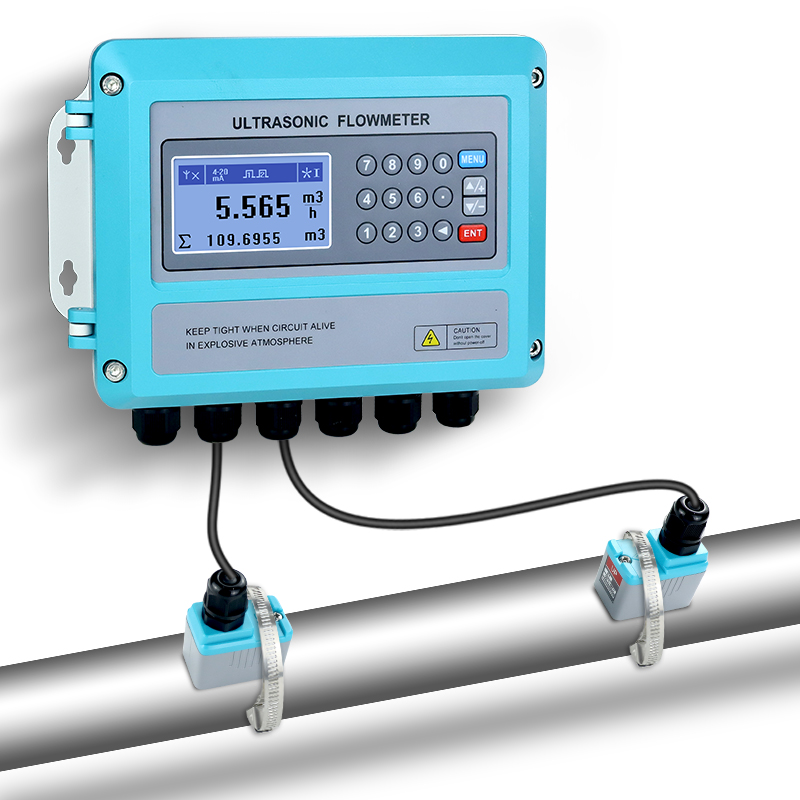
Selecting the right ultrasonic flow meter supplier is a critical decision that can significantly impact your industrial operations and measurement accuracy. Modern industries rely heavily on precise flow measurement for process control, billing accuracy, and regulatory compliance. The choice of supplier extends far beyond the initial purchase price, encompassing long-term reliability, technical support, and the ability to meet evolving operational demands. Understanding the key features and capabilities that distinguish exceptional suppliers from mediocre ones is essential for making an informed procurement decision.
Technical Specifications and Measurement Accuracy
Precision and Repeatability Standards
The foundation of any reliable ultrasonic flow meter lies in its measurement accuracy and repeatability. Leading suppliers provide detailed specifications regarding accuracy ratings, typically ranging from ±0.5% to ±2% of reading depending on the application requirements. Repeatability standards should consistently demonstrate values within ±0.1% to ±0.3% for most industrial applications. These specifications directly impact process control efficiency and can significantly affect operational costs over the instrument's lifetime.
Advanced suppliers offer comprehensive calibration certificates and traceability documentation that comply with international standards such as ISO 17025. The calibration process should encompass multiple flow rates, temperatures, and pressure conditions to ensure optimal performance across the entire operating range. Quality suppliers maintain in-house calibration facilities with certified reference standards and provide detailed uncertainty calculations for all measurement parameters.
Operating Range and Versatility
Exceptional suppliers offer ultrasonic flow meters with extensive operating ranges to accommodate diverse industrial applications. The velocity measurement range typically spans from 0.01 m/s to 25 m/s, while pipe diameter compatibility should cover sizes from 13mm to over 6000mm. Temperature and pressure ratings must align with specific process requirements, with many applications demanding operation in extreme conditions ranging from -40°C to +200°C and pressures up to 250 bar.
The versatility of fluid compatibility represents another crucial specification area. Premium suppliers provide flow meters capable of measuring various liquids including water, chemicals, oils, and slurries with different viscosity ranges and electrical conductivity levels. This flexibility ensures that a single supplier can meet multiple application requirements within a facility, simplifying procurement processes and standardizing maintenance procedures.
Technology Innovation and Advanced Features
Signal Processing Capabilities
Modern ultrasonic flow measurement technology relies heavily on sophisticated signal processing algorithms to deliver accurate and stable measurements. Leading suppliers incorporate advanced digital signal processing techniques that can handle challenging measurement conditions such as turbulent flow, entrained air, or acoustic noise interference. These systems utilize multiple measurement paths and redundant calculations to ensure measurement reliability even in demanding industrial environments.
The implementation of adaptive signal processing allows the flow meter to automatically adjust measurement parameters based on changing process conditions. This self-optimization capability reduces the need for manual intervention and maintains measurement accuracy across varying operational scenarios. Premium suppliers also provide diagnostic capabilities that monitor signal quality and alert operators to potential measurement issues before they impact process control.
Communication and Integration Options
Contemporary industrial operations require seamless integration between measurement devices and control systems. Quality suppliers offer comprehensive communication options including analog outputs (4-20mA, 0-10V), digital protocols (Modbus RTU/TCP, HART, Profibus, Foundation Fieldbus), and modern Ethernet-based communications. This connectivity ensures compatibility with existing infrastructure and facilitates future system upgrades.
Advanced suppliers provide web-based interfaces and mobile applications that enable remote monitoring and configuration capabilities. These digital tools allow operators to access real-time measurement data, historical trends, and diagnostic information from any location with internet connectivity. The integration of IoT capabilities and cloud-based data storage options represents the cutting edge of flow measurement technology, enabling predictive maintenance and advanced analytics.
Quality Assurance and Certification Standards
Manufacturing Standards and Compliance
Reputable ultrasonic flow meter supplier operations adhere to stringent manufacturing standards and maintain comprehensive quality management systems. ISO 9001 certification represents the minimum acceptable standard, while additional certifications such as ISO 14001 for environmental management and OHSAS 18001 for occupational health and safety demonstrate a commitment to excellence across all operational aspects.
The manufacturing process should incorporate rigorous testing protocols at multiple stages, from component verification through final system validation. Statistical process control methods ensure consistent product quality, while comprehensive documentation provides traceability for all materials and processes. Leading suppliers maintain detailed quality records and provide customers with complete manufacturing histories for critical applications.
Industry-Specific Certifications
Different industries require specific certifications and approvals to ensure compliance with regulatory requirements and safety standards. Suppliers serving the oil and gas industry must provide ATEX or IECEx certifications for hazardous area installations, while food and pharmaceutical applications require FDA or 3-A Sanitary Standards compliance. Water and wastewater treatment facilities often mandate NSF/ANSI 61 certification for potable water contact applications.
The depth of certification coverage reflects the supplier's commitment to serving diverse market segments and understanding industry-specific requirements. Comprehensive certification portfolios enable customers to specify a single supplier for multiple applications, simplifying procurement processes and ensuring consistent performance standards across different operational environments.
Technical Support and Service Capabilities
Pre-Sales Engineering Support
Exceptional suppliers provide comprehensive pre-sales engineering support to ensure optimal product selection and application design. This support includes detailed application analysis, site surveys, and customized recommendations based on specific process requirements. Experienced application engineers should be available to assist with pipe material compatibility, installation considerations, and integration requirements.
The pre-sales support process should include computational fluid dynamics analysis when necessary, helping to identify optimal sensor placement locations and predict measurement performance under specific operating conditions. This engineering expertise prevents costly installation mistakes and ensures that the selected flow measurement solution will deliver the required performance throughout its operational lifetime.
Installation and Commissioning Services
Professional installation and commissioning services represent critical success factors for ultrasonic flow measurement systems. Quality suppliers provide trained technicians who understand proper sensor mounting techniques, cable routing requirements, and system configuration procedures. These services ensure that the flow measurement system operates at optimal performance levels from the initial startup.
Comprehensive commissioning procedures should include system calibration verification, signal quality assessment, and operator training programs. Documentation provided during commissioning includes detailed installation records, calibration certificates, and operational procedures tailored to the specific application requirements. This thorough approach minimizes startup delays and reduces the likelihood of operational issues.
Long-Term Partnership and Support
Maintenance and Calibration Programs
The relationship with an ultrasonic flow meter supplier extends far beyond the initial equipment purchase, encompassing ongoing maintenance and calibration requirements throughout the system's operational life. Leading suppliers offer comprehensive maintenance programs that include preventive maintenance schedules, calibration services, and emergency repair capabilities. These programs help ensure consistent measurement accuracy and minimize unplanned downtime.
Calibration services should be available both on-site and at certified laboratory facilities, with flexible scheduling options to accommodate operational requirements. The calibration process must include comprehensive documentation and certificates that satisfy regulatory and quality system requirements. Advanced suppliers also offer calibration verification services that can be performed without removing the flow meter from service, minimizing process disruptions.
Spare Parts Availability and Logistics
Long-term operational success requires reliable access to spare parts and replacement components throughout the equipment's lifecycle. Quality suppliers maintain comprehensive spare parts inventories and provide guaranteed availability commitments for critical components. The parts supply chain should include both standard replacement items and specialized components specific to unique applications or older equipment models.
Effective logistics support includes expedited shipping options for emergency situations and strategic inventory placement to minimize delivery times. Some suppliers offer consignment stock programs that allow customers to maintain critical spare parts on-site while managing inventory costs and obsolescence risks. These programs ensure rapid response capabilities while optimizing total cost of ownership.
FAQ
How important are industry certifications when selecting a flow meter supplier
Industry certifications are crucial for ensuring compliance with regulatory requirements and safety standards specific to your application. Different industries require specific approvals such as ATEX or IECEx for hazardous areas, FDA compliance for food and pharmaceutical applications, or NSF/ANSI 61 certification for potable water systems. These certifications demonstrate that the supplier understands industry-specific requirements and has invested in meeting the necessary standards. Choosing a supplier with appropriate certifications prevents costly compliance issues and ensures that the equipment will be accepted by regulatory authorities and insurance providers.
What communication protocols should a modern ultrasonic flow meter support
Modern ultrasonic flow meters should support multiple communication protocols to ensure compatibility with existing control systems and future upgrades. Essential analog outputs include 4-20mA current loops and voltage outputs, while digital protocols should encompass Modbus RTU/TCP, HART, Profibus, and Foundation Fieldbus. Advanced systems increasingly offer Ethernet-based communications, web servers for remote access, and IoT connectivity options. The selection of communication protocols should align with your existing infrastructure and planned system expansions, ensuring seamless integration and long-term compatibility.
How can I evaluate the technical support capabilities of potential suppliers
Evaluating technical support capabilities requires examining multiple aspects of the supplier's service organization. Request information about their engineering support staff qualifications, response time commitments, and availability of local technical resources. Review their pre-sales support process, including application engineering services and site survey capabilities. Examine their training programs, documentation quality, and ongoing technical support options. Additionally, request references from existing customers in similar applications and inquire about their experiences with installation support, troubleshooting assistance, and long-term technical partnership. The quality of technical support often determines the success of the overall flow measurement implementation.