Non Contact Level Sensors: Advanced Industrial Measurement Solutions for Precision Monitoring

Requesting a Call:

+86 13309630361

Online Support

[email protected]

Visit Our Office

Wuhu, Anhui,China

non contact level sensor

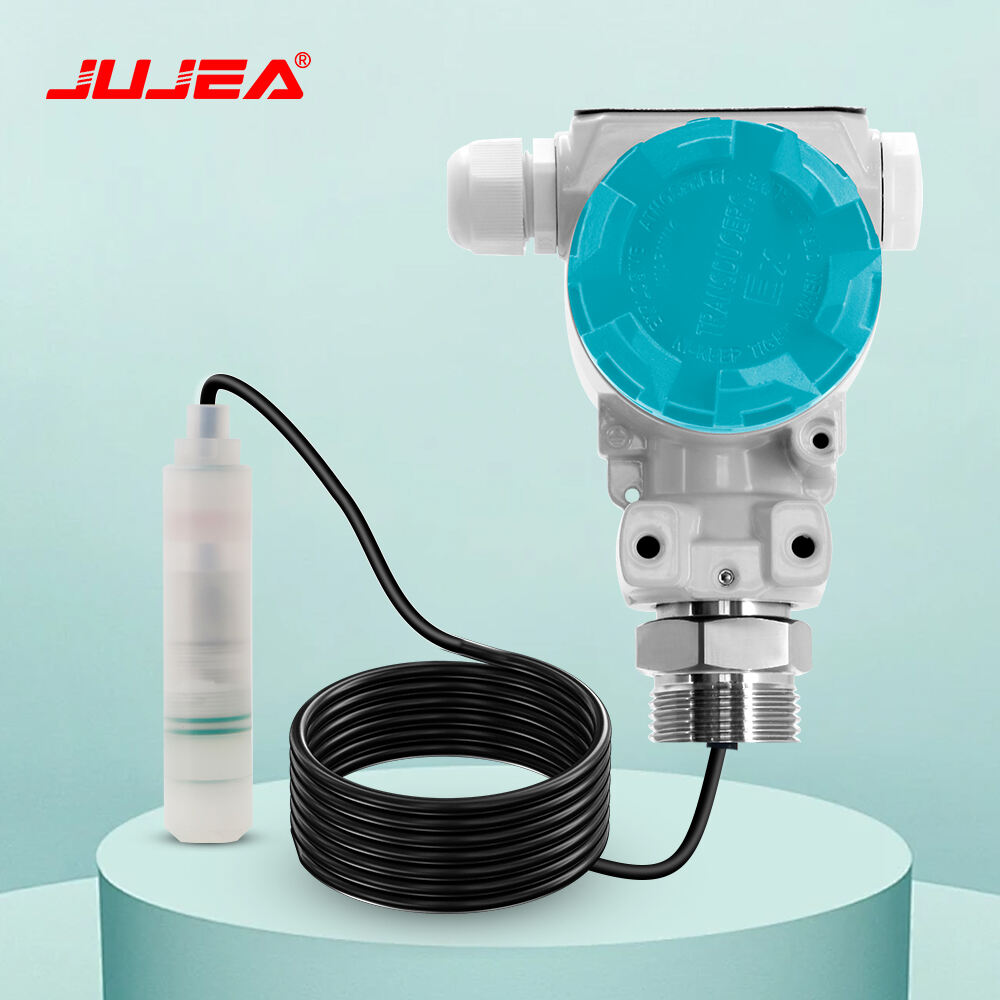
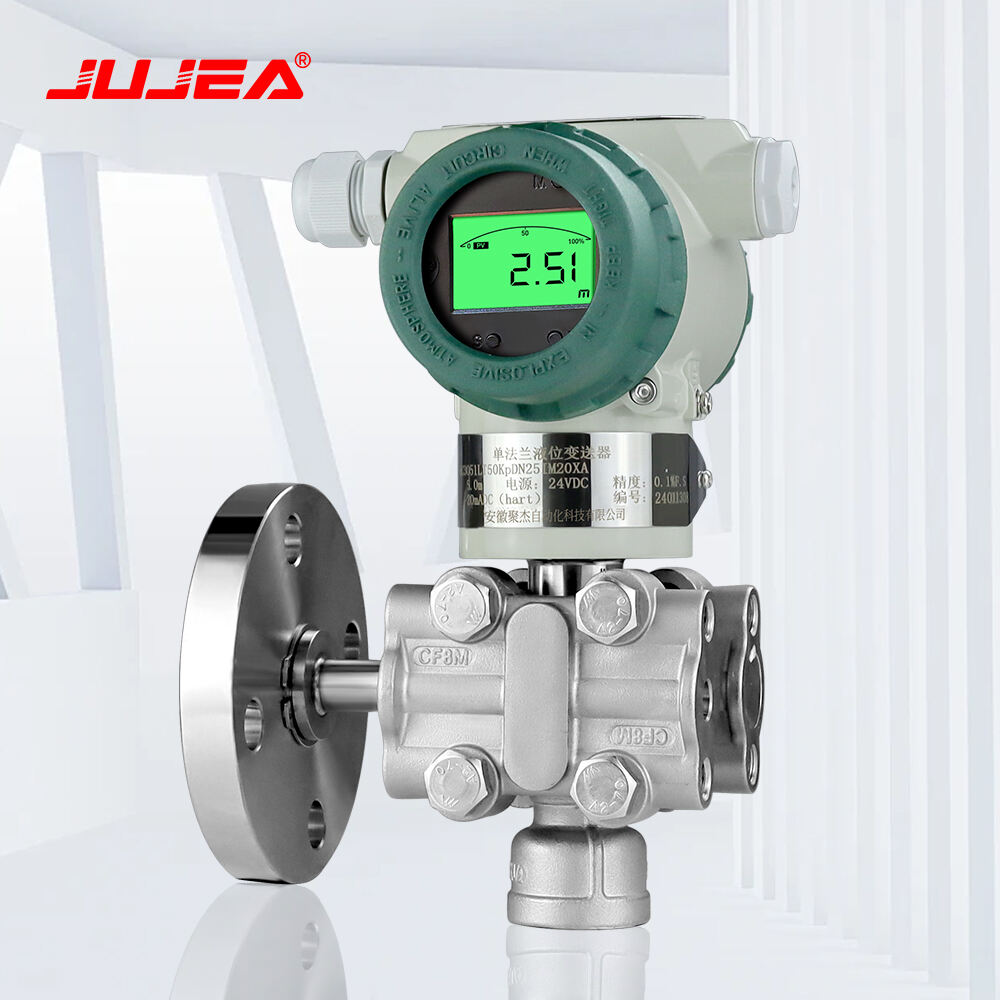
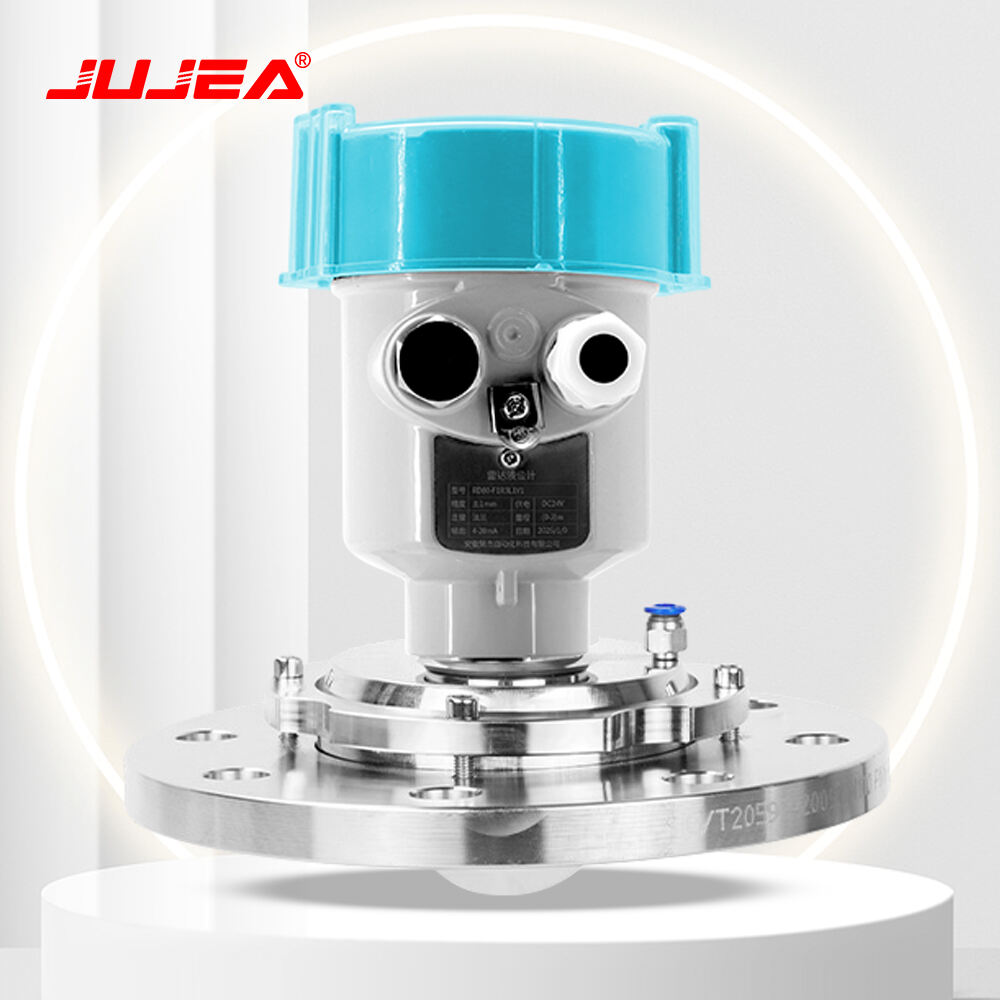
Non contact level sensors represent a cutting-edge solution in industrial measurement technology, offering precise liquid and solid level monitoring without direct physical contact with the measured substance. These sophisticated devices utilize various sensing principles, including ultrasonic waves, radar technology, or laser measurements, to accurately determine material levels in containers, tanks, and silos. Operating through the emission and reception of signals, these sensors measure the time taken for the signal to bounce back from the material surface, calculating the exact level with remarkable precision. The technology incorporates advanced signal processing capabilities to filter out interference and ensure reliable readings even in challenging industrial environments. These sensors excel in applications ranging from water treatment facilities and chemical processing plants to food and beverage manufacturing, where maintaining product quality and equipment integrity is paramount. The versatility of non contact level sensors extends to their ability to measure various materials, including corrosive substances, sticky materials, and bulk solids, all while maintaining measurement accuracy and system reliability. They can operate effectively in extreme temperatures, high-pressure environments, and locations with intense electromagnetic interference, making them indispensable in modern industrial processes.


Popular Products

Non contact level sensors offer numerous compelling advantages that make them the preferred choice for modern industrial applications. First and foremost, their non invasive measurement technique eliminates the risk of contamination, making them ideal for sterile processes in pharmaceutical and food industries. The absence of physical contact also means there are no mechanical parts exposed to potentially corrosive or abrasive materials, significantly reducing maintenance requirements and extending the sensor's operational lifespan. These sensors provide continuous, real-time monitoring without interrupting the process flow, enabling efficient inventory management and process control. Their installation is straightforward and non-intrusive, requiring minimal modifications to existing infrastructure. The advanced digital processing capabilities ensure high accuracy and reliability, even in challenging environments with dust, vapor, or turbulent surfaces. Many models offer integrated diagnostic features that help prevent false readings and alert operators to potential issues before they become critical problems. The versatility of these sensors allows them to handle varying product characteristics and changing process conditions without recalibration. Their ability to measure through vessel walls or in sealed containers makes them particularly valuable in hazardous environments where direct contact measurements would be dangerous or impractical. Additionally, these sensors can be easily integrated into automated systems and Industry 4.0 applications, providing valuable data for process optimization and predictive maintenance strategies.

Practical Tips

What Are the Different Types of Flowmeters and Their Uses

13

Aug

What Are the Different Types of Flowmeters and Their Uses

Exploring the Broad Array of Flowmeters and How Each Is Applied Flowmeters serve as vital instruments in measuring the rate of fluid flow through pipes, conduits, or channels. They come in various technologies—mechanical, differential pressure...
View More
What are the key points for successfully selecting a thermal gas mass flow meter?

26

Sep

What are the key points for successfully selecting a thermal gas mass flow meter?

Understanding Thermal Mass Flow Technology for Precise Gas Measurement In modern industrial processes, accurate gas flow measurement is crucial for maintaining efficiency, quality control, and regulatory compliance. Thermal gas mass flow meters have ...
View More
What Are the Advantages of Choosing a Reliable Electromagnetic Flow Meter Manufacturer?

21

Oct

What Are the Advantages of Choosing a Reliable Electromagnetic Flow Meter Manufacturer?

Understanding the Impact of Quality Manufacturing in Flow Measurement Technology In the complex world of industrial flow measurement, the choice of an electromagnetic flow meter manufacturer can significantly influence operational efficiency, accurac...
View More
Electromagnetic Flow Meter Manufacturer (Magnetic Flow Meter) – Top Ten Industrial Applications

08

Nov

Electromagnetic Flow Meter Manufacturer (Magnetic Flow Meter) – Top Ten Industrial Applications

Electromagnetic flow meters, also known as electromagnetic flow meters, are indispensable tools in various industrial applications. JUJEA Products' flow meters are renowned for their durability and high performance, representing a model of excellence...
View More

Get a Free Quote

Our representative will contact you soon.
Email
Name
Company Name
Message
0/1000

non contact level sensor

Superior Measurement Accuracy and Reliability

Superior Measurement Accuracy and Reliability

Non contact level sensors achieve exceptional measurement accuracy through advanced signal processing algorithms and sophisticated sensing technologies. The precision of these devices typically ranges from ±1mm to ±3mm, depending on the specific technology and application requirements. This high level of accuracy is maintained across various operating conditions, including temperature fluctuations, pressure changes, and electromagnetic interference. The sensors employ multiple verification mechanisms to ensure measurement reliability, including automatic compensation for environmental factors and built-in error detection systems. This robust performance is particularly valuable in critical applications where precise inventory management or process control is essential for operational efficiency and product quality.
Versatile Application Compatibility

Versatile Application Compatibility

The adaptability of non contact level sensors makes them suitable for an extensive range of industrial applications. These sensors can effectively measure levels in various materials, from clear liquids to opaque solids, and perform reliably in containers of different sizes and shapes. They can operate in extreme temperature ranges, typically from -40°C to +200°C, and handle pressures up to several bars. The sensors' ability to measure through various media and their resistance to aggressive chemicals make them ideal for challenging industrial environments. This versatility is further enhanced by their compatibility with different communication protocols, enabling seamless integration with existing control systems.
Low Maintenance and Cost-Effective Operation

Low Maintenance and Cost-Effective Operation

The non contact operational principle of these sensors translates into significant maintenance and cost benefits. With no moving parts or components in direct contact with the measured medium, wear and tear is minimized, leading to extended service life and reduced maintenance requirements. This design eliminates the need for regular cleaning, calibration, or replacement of worn components, resulting in lower operational costs and reduced downtime. The sensors' robust construction and resistance to harsh environmental conditions further contribute to their long-term reliability and cost-effectiveness. Additionally, their energy-efficient operation and minimal calibration requirements make them an economically attractive solution for industrial level measurement applications.
Non Contact Level Sensors: Advanced Industrial Measurement Solutions for Precision Monitoring

Get a Free Quote

Our representative will contact you soon.
Email
Name
Company Name
Message
0/1000